A joke can do what politics cannot: The independence we often forget
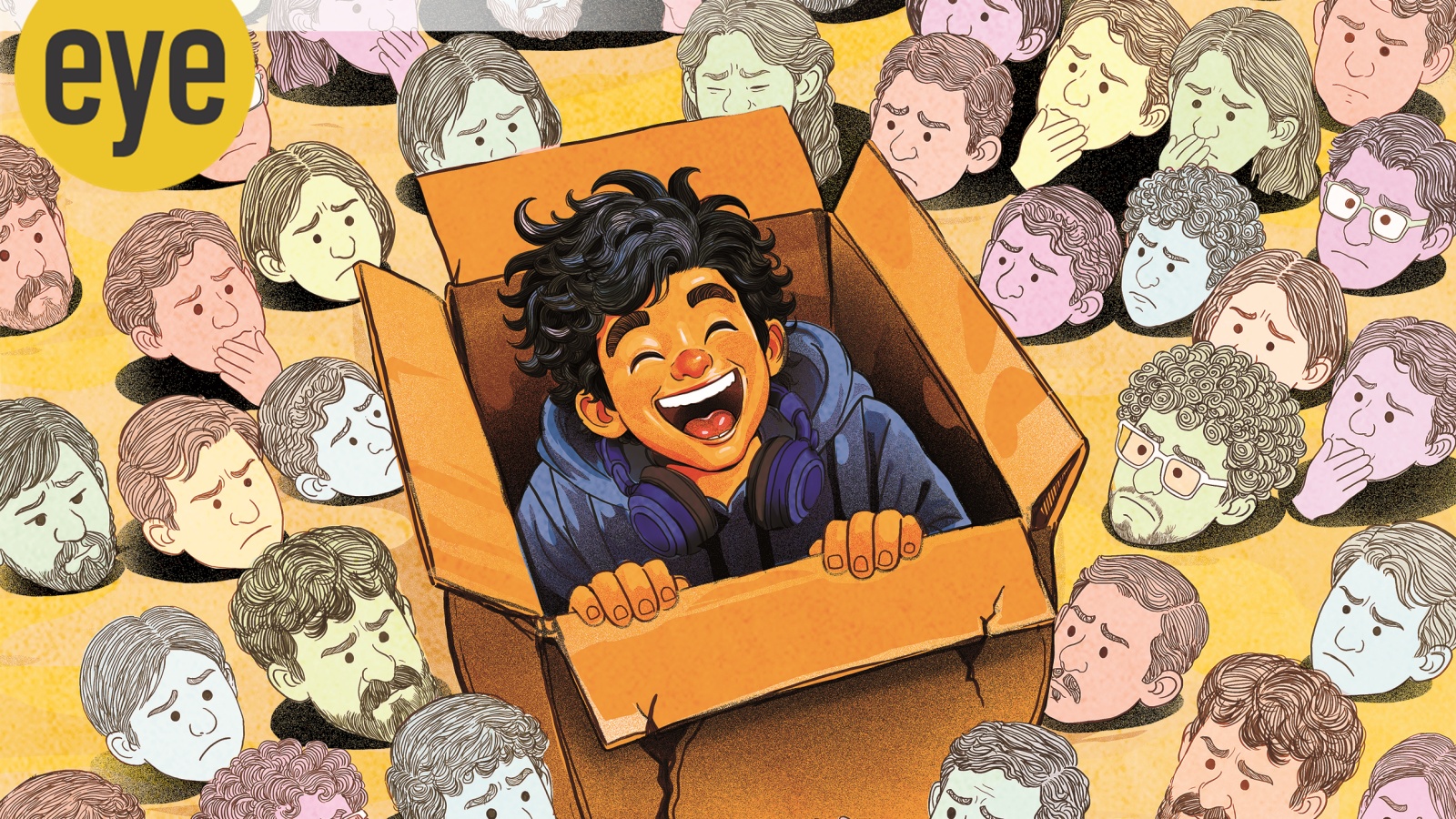
Born with a passion for making others laugh, Azeem Banatwalla has always felt a strong need to be heard. Enthusiasm without charisma often resulted in awkwardness during his early teens. Facing ridicule from classmates and even teachers, he learned to suppress laughter in settings where mocking authority figures was forbidden. However, laughter proves to be an involuntary reaction that cannot be contained.
Laughter is a social emotion, infectious and powerful, capable of defusing tension and releasing suppressed emotions. It has the potential to turn the tables on the one being ridiculed, turning the tables on the one being ridiculed, turning the tables on the one being ridiculed.
Australian comedian Hannah Gadsby explores this concept in her 2018 Netflix Special Nanette, which delves into a traumatic experience of sexual assault and how she dealt with it through humor. The show concluded with Gadsby abruptly leaving the stage, leaving the audience in silence, highlighting the power of humor in processing pain and trauma.
India, too, has a history of tension and release through non-violent resistance. Satyagraha, a term meaning "insistence on truth," underscores the power of a well-timed punchline in defusing tension and challenging authority. Throughout the country's history, from boycotting British salt and sugar to the Gen-Z trend of "spilling the tea" on examination paper leaks, India has been a constant state of resistance.
In 2026, the creation and sharing of content like reels and memes has become a form of political participation. Revolutions led by community-led content, such as graffiti and hip-hop, have demonstrated the power of humor in driving social change. Satirists play a crucial role in ensuring politicians are held accountable, and healthy criticism thrives through art.
The youth of today, born into a newly liberalized economy, have grown accustomed to finding catharsis in online spaces, sometimes inadvertently contributing to echo chambers and the spread of divisive content. However, these digital spaces can also be fertile ground for dissent, as algorithms cater to individual preferences and push users towards activism.
Written by urgent.news from The Indian Express's reporting — not their text. Machine-written — may contain errors; check the original before relying on it.