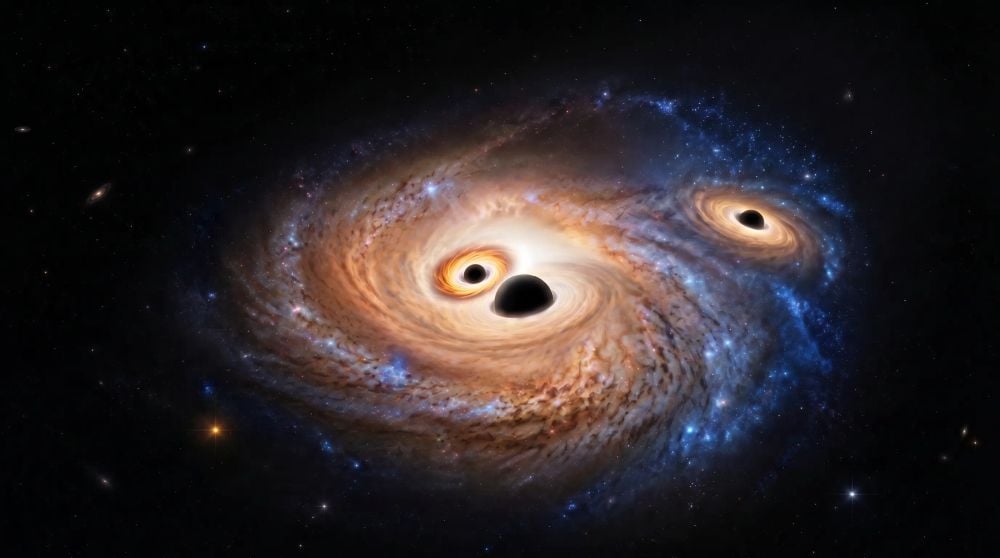
Will the new moon race turn Earth's nearest neighbor into a dumping ground?
We need rules to prevent space companies from dumping their old rockets onto the moon's surface in the future, experts say.
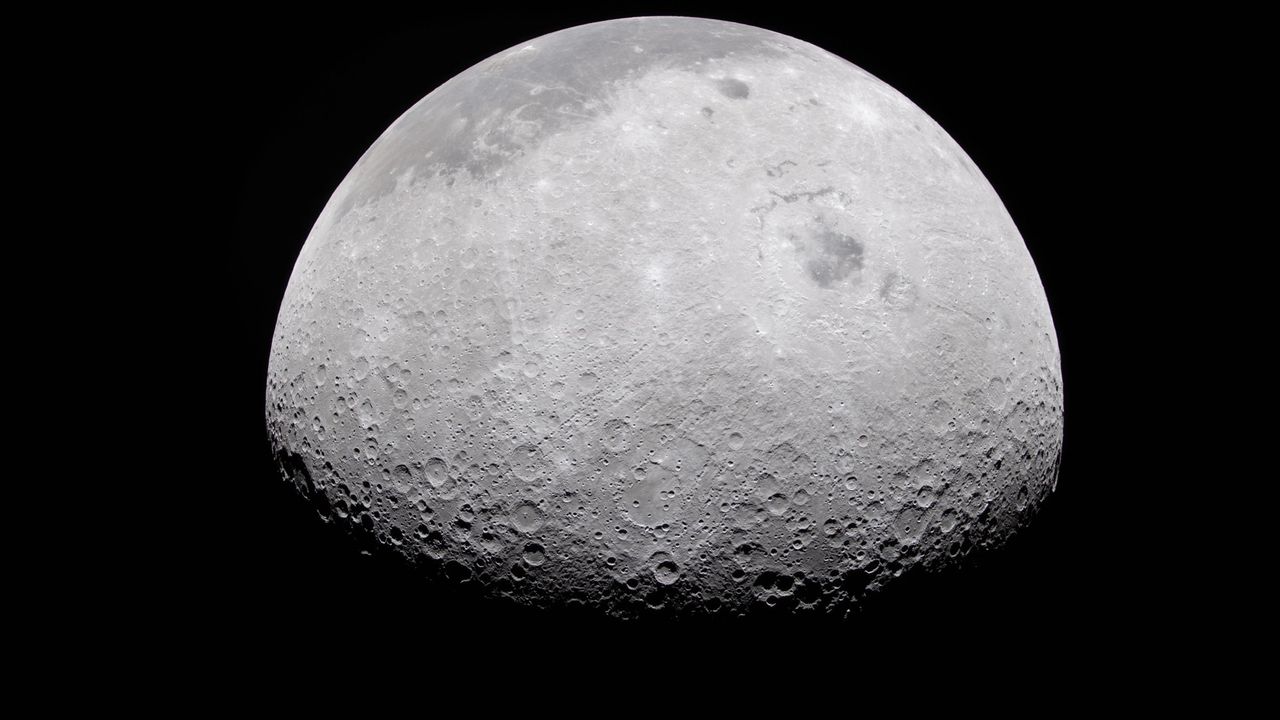
The recent crash of an 8,800-pound Falcon 9 rocket stage on the moon has raised concerns about the impact of human activity on Earth's closest celestial neighbor. This incident, along with the accumulation of other manmade objects on the lunar surface over the past decades, has prompted experts to reflect on the need for more responsible practices in lunar exploration.
Since the beginning of the space age, around 200 tons of Earth material have been deliberately left on or crashed into the moon. Some of these objects hold historical significance, such as the descent modules from Apollo missions, Soviet Lunakhod rovers, and China's Yutu 1 and 2 robots. However, there are also numerous objects that were not originally intended to be on the moon, including rocket stages and other debris.
Jonathan McDowell, an astronomer and space historian, notes that many of these objects may have ended up on the lunar surface following the first lunar missions in the 1960s. As lunar exploration intensifies, with more nations and commercial companies sending missions to the moon, experts predict that such incidents could become more common.
The lack of international agreements and regulations governing activities near the moon poses a challenge. While the 1967 United Nations Outer Space Treaty binds countries to conduct lunar exploration in a way that avoids harmful contamination, it does not provide clear definitions of what constitutes harmful contamination, numerical waste limits, or disposal sites for lunar debris.
The low gravity of the moon, approximately 17% of Earth's, means that any disturbed dust from impacts can travel long distances and take a long time to settle. This has the potential to interfere with scientific instruments and gravitational wave detectors, which are crucial for various scientific studies.
Moreover, the moon's surface is continuously being altered by meteoroid impacts, which contribute to its geological record. The introduction of artificial material and craters from heavy impacts may obscure valuable scientific evidence and disrupt the natural lunar processes.
While it is uncertain whether the recent Falcon 9 crash was merely a matter of luck or if proper planning could have prevented it, experts believe that the incident highlights the importance of adopting responsible practices in lunar exploration. Spaceflight companies may only start considering the risks of lunar debris after significant losses, such as human lives or expensive infrastructure, which may not be enough to prompt meaningful change.
Written by urgent.news from Space.com's reporting — not their text. Machine-written — may contain errors; check the original before relying on it.