Why Fashion’s Economics Work Against Sustainable Brands
The industry’s underlying economics still make it difficult for more sustainable business models to compete. Brands that take responsibility for a garment’s full lifecycle, including what happens after it’s sold and then discarded, shoulder costs that others don’t.
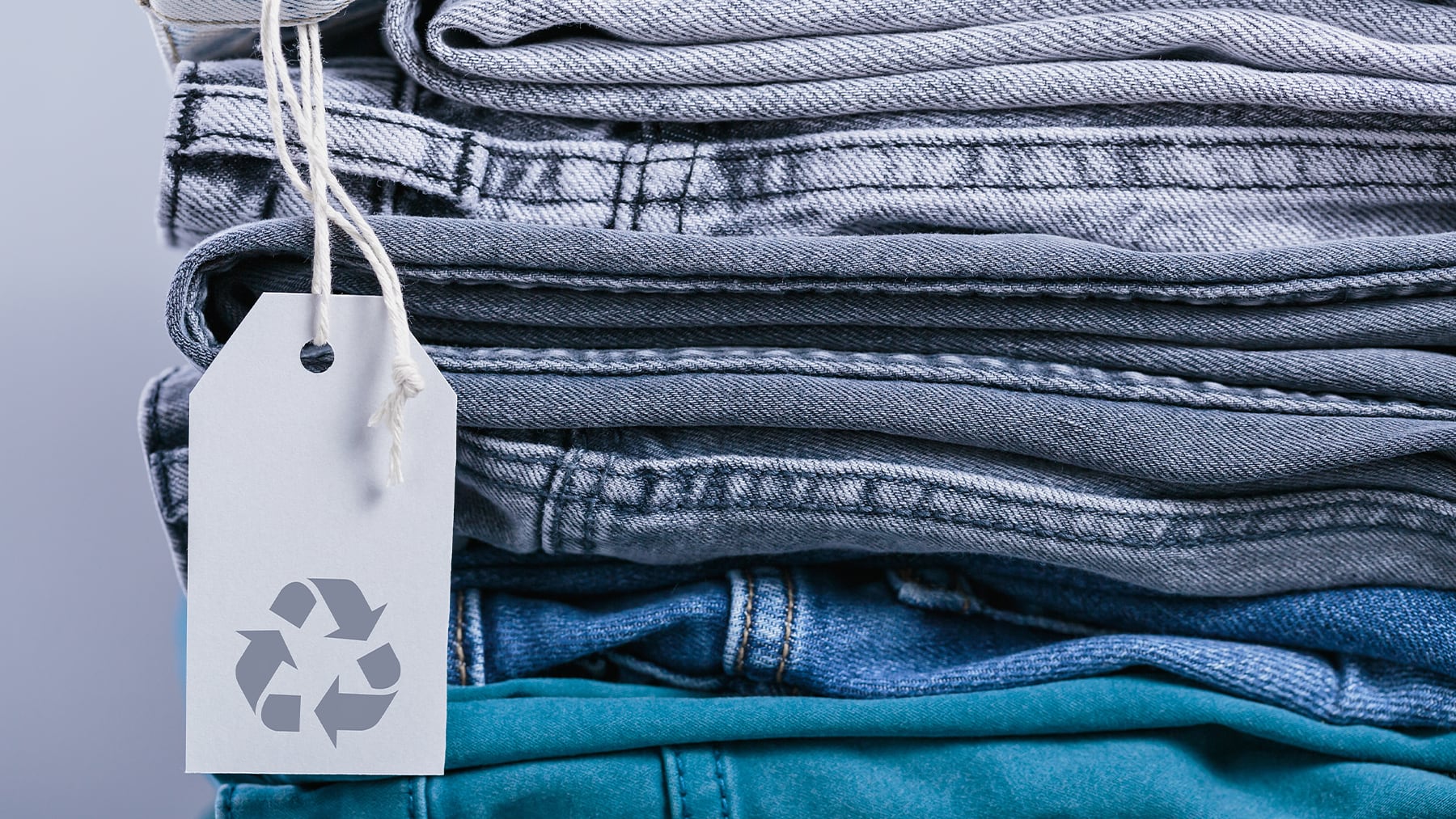
Fashion's economic structure presents obstacles for brands committed to sustainability, reports Shayeza Walid, Senior Editorial Associate at The Business of Fashion. Sustainable business models must contend with the costs associated with a product's entire lifecycle, from production to disposal. This contrasts with other brands that may not shoulder these expenses.
Despite a brief surge in popularity due to the World Cup, the benefits of sustainable fashion appear to be short-lived, according to recent Bank of America data. This lack of sustained interest could pose a challenge for brands aiming to maintain their eco-friendly practices.
In a different sector, perfume brands are capitalizing on nightlife environments where scent creates a distinctive marketing opportunity. This shift in consumer behavior might divert funds and attention from the fashion industry's sustainability efforts.
Adding to these challenges, the sudden departure of the AI chief executive, Ranju Das, within a year of taking the role, follows the exit of the chief strategy officer. This rapid turnover occurs as new CEO Heidi O'Neill assumes her position in September. The instability within the company could divert resources away from sustainability initiatives.
Written by urgent.news from Business of Fashion's reporting — not their text. Machine-written — may contain errors; check the original before relying on it.