Where leopards lounge on trees: Inside Sri Lanka's Yala National Park
Sri Lanka's Yala National Park, where the sea, the mountains and the jungle meet
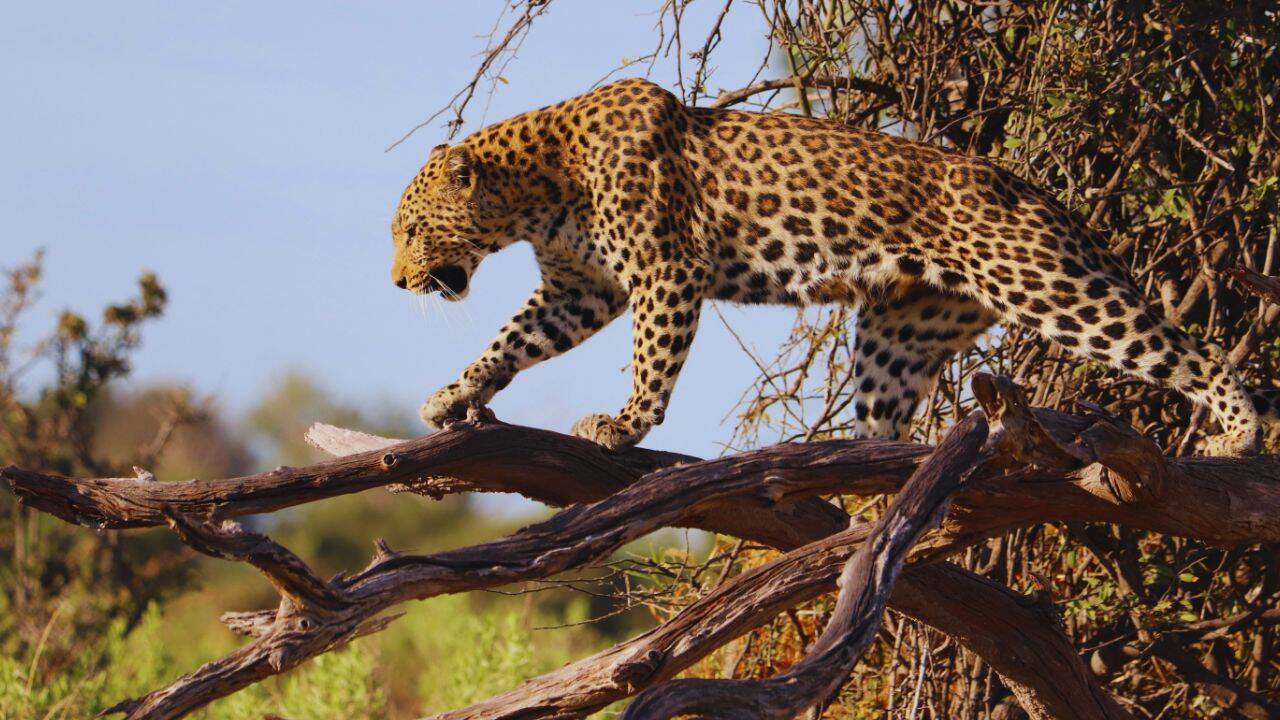
National parks are often visited with the hope of seeing iconic wildlife, with many tourists eager to spot tigers or elephants. However, the thrill of the chase and the desire to capture the perfect photograph can sometimes disrupt the animals' behavior. Sri Lanka's Yala National Park is a unique destination that offers a different kind of wildlife experience. Stretching along the coast, the park is home to lush landscapes, a variety of ecosystems, and an impressive array of animals and birds that inspire wonder.
Beyond its reputation as a tiger sanctuary, Yala is a cultural destination with traces of ancient history. Ravana Kotte, once the kingdom of Ravana, lies submerged in the sea, while the park is surrounded by a rich Buddhist cultural center. The region was once a major hub for Indo-Aryan trading routes, and the area is dotted with ancient tanks that attest to a thriving agricultural civilization dating back to the 5th century BC.
Yala is known for its leopards, which can often be spotted lounging on trees, rocks, and in the scrubland. Unlike their counterparts in other parks, these leopards can be seen in a relaxed manner, making every sighting a special experience. The park is also home to Sri Lankan elephants, sloth bears, sambar deer, spotted deer, wild boar, water buffalo, and golden jackals, creating a complex food web that supports the predators in the ecosystem.
Yala's birdwatchers are equally delighted, as the park's lagoons, wetlands, and coastline provide vital habitats for waterbirds and migratory birds. Visitors might encounter peacocks, painted storks, pelicans, egrets, herons, kingfishers, and raptors. The park is also home to several birds endemic to Sri Lanka, making it a valuable destination for bird enthusiasts hoping to see species that cannot be found naturally anywhere else in the world.
The vegetation in Yala is adapted to a hot and dry climate, with dry-mixed forests, thorny scrub, grasslands, and patches of woodland. Notable species include the Palu tree, Weera, Ebony, Satinwood, and various shrubs, grasses, and flowering plants. The landscape changes significantly with the seasons, transforming from a lush, green landscape during the wetter months to a more arid environment during the dry season, concentrating wildlife around remaining sources of water.
Written by urgent.news from Times of India's reporting — not their text. Machine-written — may contain errors; check the original before relying on it.