What Wildfire Smoke Reveals About How We Respond to Climate Risk
Even if we know the potential harm, we sometimes choose the riskier action.
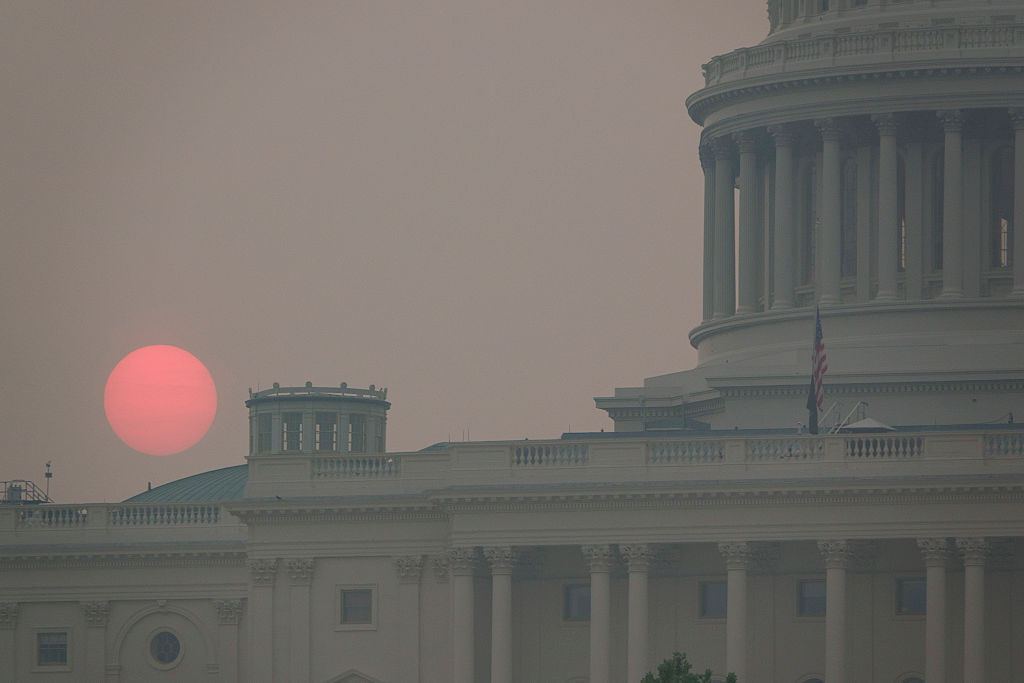
Smoke from Canadian wildfires wafted into Washington D.C. last month, prompting a reporter to sprint to a meeting, unaware of the health hazards. The ensuing cough persisted, diagnosed as irritant bronchitis. This personal experience mirrors a broader economic impact, with a 2024 study revealing that wildfire smoke reduces quarterly per-capita earnings by 0.1%, amounting to a 2% decrease in U.S. labor income.
While addressing the root causes and protective measures is crucial, businesses in fire-prone areas face operational risks and diminished productivity. Psychological factors also play a role, with higher educated individuals more likely to take wildfire risks seriously than less educated counterparts. Despite this, many underestimate the dangers of smoke pollution, underappreciating the costs of inaction.
Written by urgent.news from Time's reporting — not their text. Machine-written — may contain errors; check the original before relying on it.