What universities can offer in the age of AI
Taylor’s University is rethinking how artificial intelligence prepares graduates to apply knowledge, exercise judgment and adapt to constant change.
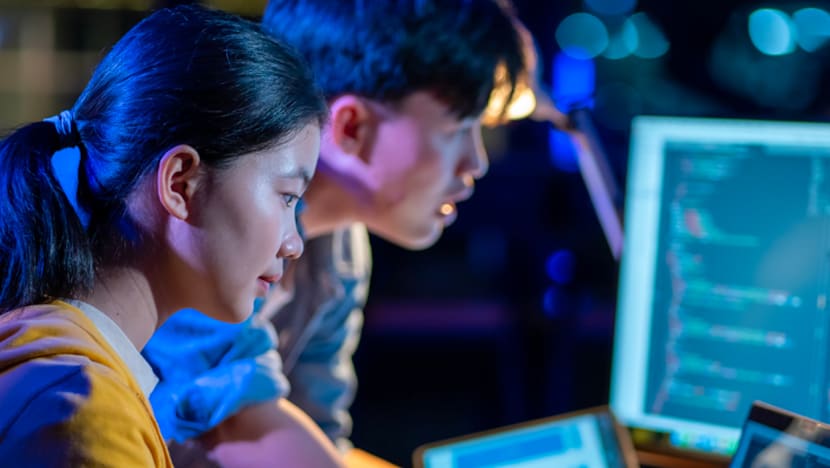
Taylor’s University is revolutionizing education in the age of artificial intelligence. With generative AI tools capable of providing quick answers to almost any query, the question arises: what role does a university play in preparing graduates? Professor Barry Winn, the vice-chancellor and president of Taylor’s University in Malaysia, believes AI has not diminished the importance of universities; instead, it has heightened their relevance.
"Graduates still need to learn discipline-specific skills and apply their knowledge," Winn explained. "Even with AI, they need to be able to test it, as it sometimes hallucinates." Moreover, AI-generated answers may not align with cultural or ethical contexts, necessitating graduates to exercise their own judgment. This is precisely what Taylor’s aims to cultivate in its students.
Ranked 272nd globally in the QS World University Rankings 2027, Taylor’s maintains strong industry connections to align its curriculum with evolving job market demands. Each degree program is backed by industry advisory boards, providing regular feedback from employers and enabling curriculum adjustments. The university focuses on professional degrees, preparing graduates for successful employment.
Taylor’s employs a Hybrid Flexible (HyFlex) learning model, integrating physical, virtual, and self-directed learning. This approach allows students to access resources and engage with virtual tutors at their own pace, followed by in-person classroom discussions. Over 11,600 Taylor’s students participated in HyFlex learning last year, with 84.8% reporting strong engagement and 86% expressing satisfaction with their learning experience.
AI is also utilized to enhance experiential learning opportunities. For instance, Taylor’s master’s program in clinical psychology employs AI-powered avatars to simulate patients with various mental health conditions, enabling students to practice their responses before interacting with real patients. Similar tools are applied in hospitality and tourism management programs.
As students progress through this AI-enabled education model, the goal is to develop knowledge, judgment, and adaptability that employers increasingly seek.
While AI has transformed how people find answers, it has also altered employer expectations from graduates. Employers now seek qualities that AI cannot easily replicate, such as critical thinking and communication skills. At Taylor’s, classroom discussions and real-world applications take precedence over traditional lectures. Additionally, practical experiences extend beyond the classroom, with hospitality students managing hotel operations, engineering students developing affordable water-harvesting solutions for remote villages, and education students supporting refugee families through community initiatives. These hands-on experiences foster confidence and prepare graduates for lifelong learning.
For prospective students, Winn emphasizes that the first consideration should not be the university's ranking but its ability to prepare graduates for an uncertain future. He encourages students to choose a program that aligns with their aspirations and to remain curious. Ultimately, Taylor’s aims to produce leaders who will positively impact their communities, both locally and globally.
Written by urgent.news from Channel News Asia's reporting — not their text. Machine-written — may contain errors; check the original before relying on it.