What the shrinking Danube reveals
The shrinking Danube looks like drought. But draining its wetlands and floodplains left the region far less able to weather what comes next. The exceptionally low water levels of the Danube have caused major disruption across the region, dominating headlines over the past week. Vessels have been stranded, water supplies threatened, nuclear reactors forced to […] What the shrinking Danube reveals…
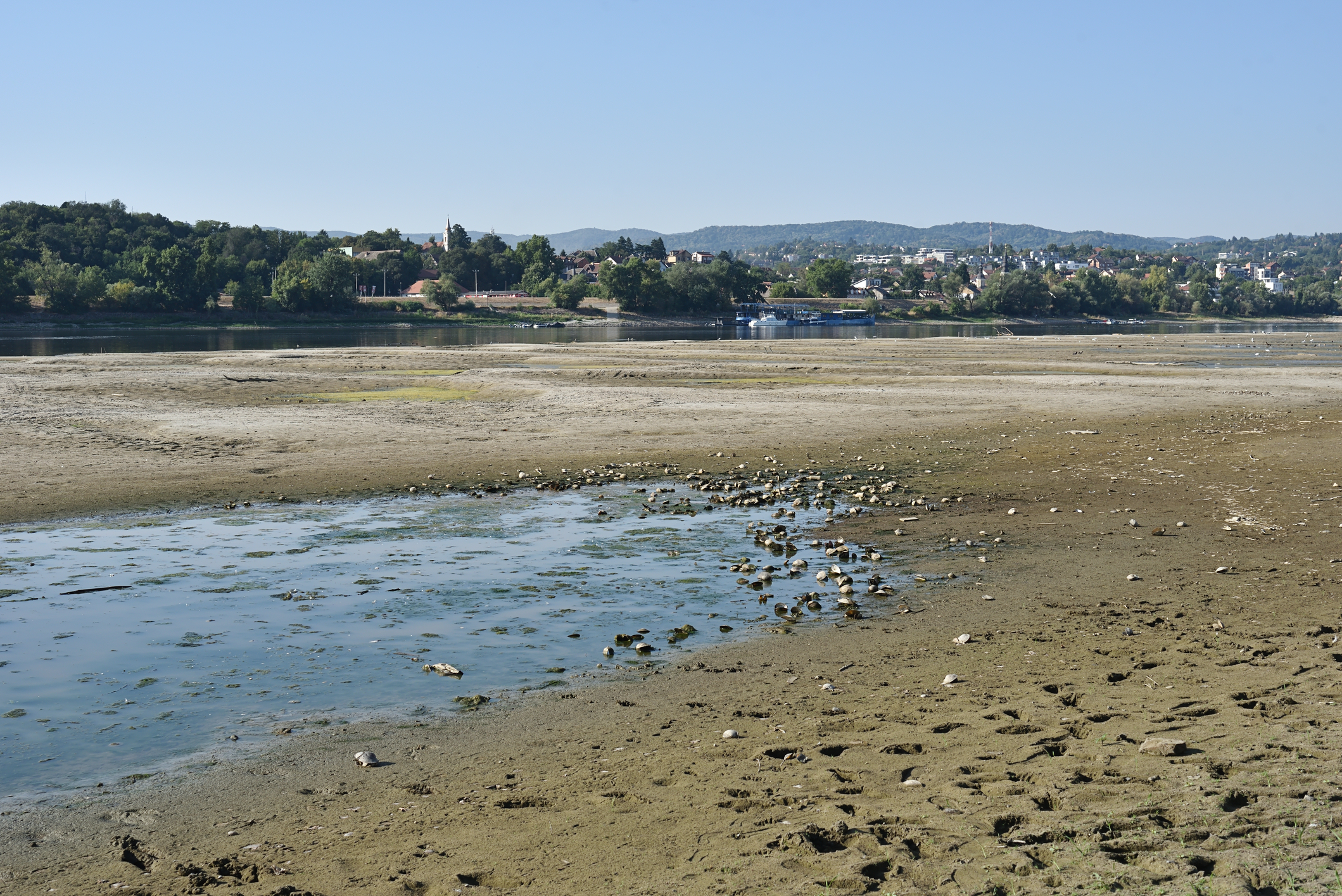
The Danube River is experiencing unprecedented low water levels, reminiscent of a drought. This has led to significant disruptions in the region, including stranded vessels, threatened water supplies, forced shutdowns of nuclear reactors, and the exposure of fossils. More than 79 million people in the Danube basin rely on this river system for drinking water, agriculture, industry, energy production, navigation, tourism, and fisheries.
The current situation is further exacerbated by a broader economic challenge, with heatwaves, droughts, and floods causing at least 43 billion euros in economic losses in Europe in 2025 alone, with total costs projected to reach 126 billion euros by 2029.
The vulnerability of the region can be attributed to a combination of factors, including the loss of wetlands and floodplains that once absorbed excess water during floods and retained it during dry periods. Over the past 150 years, more than 80% of the original wetlands and floodplains along the Danube and its main tributaries have disappeared.
This transformation has turned rivers from water-retaining systems into water-draining systems, increasing the risk of catastrophic floods during heavy rains while reducing the landscape's capacity to store water during dry spells.
Furthermore, the drying of soils due to intensive land use practices, such as heavy machinery, intensive cultivation, and sealing of the ground with roads and buildings, has weakened the natural capacity of soils to absorb and retain water. Approximately 62% of European soils already show signs of degradation, further exacerbating the region's vulnerability to extreme weather events.
The Danube River's declining water levels and the broader challenges faced by the region highlight the urgent need for climate change mitigation measures. However, before addressing the need for ambitious climate change mitigation, it is crucial to understand why the region is so vulnerable and how to make its societies, economies, and ecosystems more resilient to increasingly frequent and severe extreme events.
Written by urgent.news from Emerging Europe's reporting — not their text. Machine-written — may contain errors; check the original before relying on it.