Want to quit tobacco? A simple 3-Step approach can help more Indians kick the habit

At 31 years old, Priya Bala had long been a user of a type of smokeless tobacco called khaini. She picked up this habit when she was a teenager, using it to care for her grandmother. By the time she became a homemaker with her own family, she was so accustomed to khaini that she used it multiple times a day to cope with stress, even during pregnancy to manage morning sickness.
Despite previous attempts to quit, Priya's struggles with cravings persisted. It was only after her third child was born that she developed a painful mouth ulcer, leading her to seek help at a tobacco-cessation centre. There, Priya was taught how to set a quit date, manage withdrawal symptoms, identify triggers, and was offered nicotine gum.
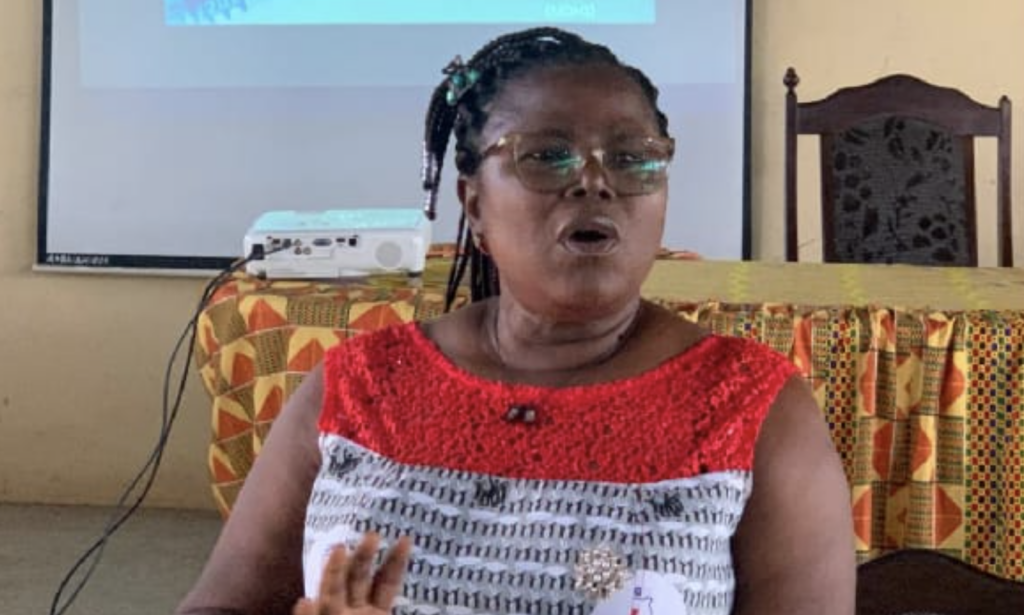
The ulcer turned out to be a non-cancerous condition and was expected to improve if she stopped using khaini. Dr Pratima Murthy, a specialist in mental health, explains that highlighting this story illustrates the broader issue of integrating tobacco cessation support into routine healthcare rather than requiring patients to actively seek it out.
The review she co-authored explores evidence-based strategies for reducing tobacco use in low- and middle-income countries. One such strategy, the Ask–Advise–Connect model, encourages healthcare professionals like doctors, nurses, or dentists to simply ask patients about tobacco use, advise them to quit, and connect them with the appropriate cessation support.
This straightforward approach is key because it requires no lengthy counselling sessions, just a brief conversation that can lead to more effective treatment. India faces a significant tobacco epidemic, with more than 250 million adult users, leading to a range of health problems beyond lung disease. Implementing various tobacco-control measures, including restrictions and cessation services, has been attempted, but awareness remains low.
To improve access, community-based interventions and empowered frontline health workers can bring cessation support directly to those in need, especially in rural areas and among women, where barriers to accessing services are higher.
Written by urgent.news from The Indian Express's reporting — not their text. Machine-written — may contain errors; check the original before relying on it.