Ukrainian drone attacks force Russia to protect its nuclear submarines with low-tech netting
New satellite images reveal nets covering Russian submarines to protect them against Ukrainian drones. It’s a confirmation that no Moscow asset is free from Kiev’s attacks anymore, not even its prized nuclear ballistic missile submarine fleet. It is also yet another embarrassing moment for Russian President Vladimir Putin’s military forces and one more example of how, in the face of Ukrainian…
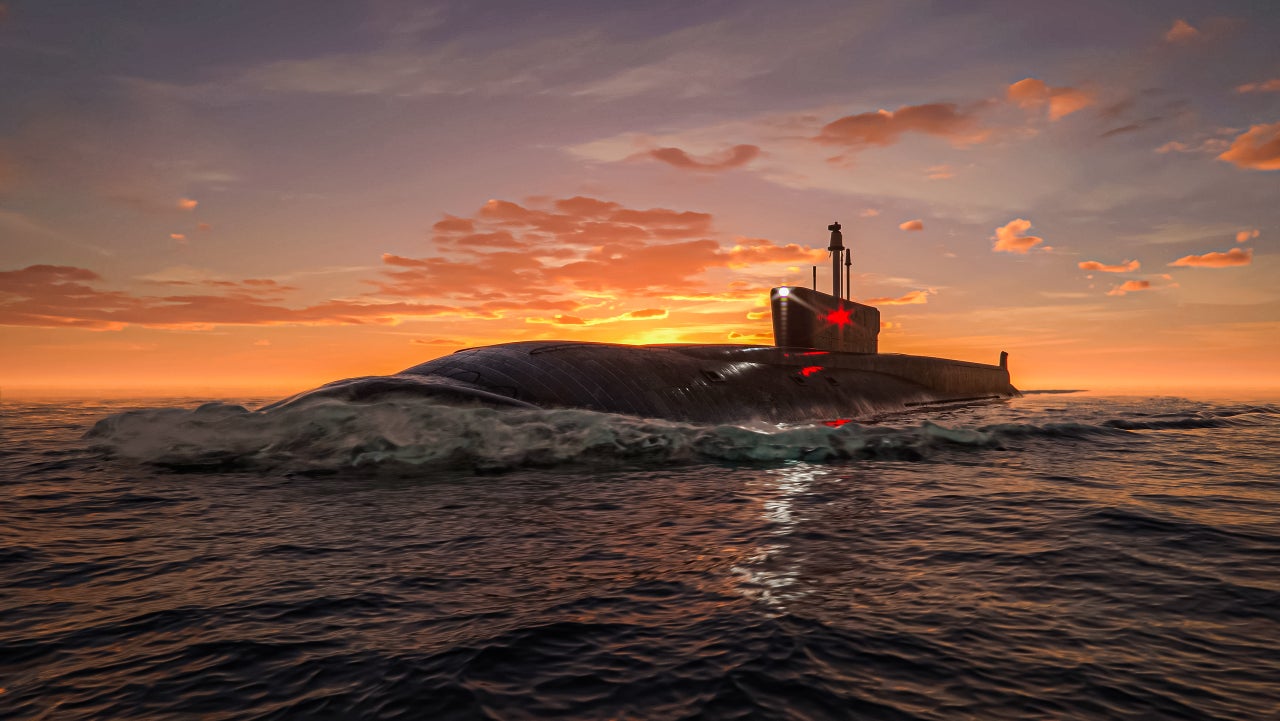
New images from space show Russian submarines covered in nets to shield them from Ukrainian drones. This confirms that no Russian asset is safe from attacks by Kiev, not even their advanced nuclear submarine fleet. It's another embarrassing situation for Russian President Vladimir Putin, who must resort to desperate measures to protect his forces.
The threats from Ukraine stretch across the Pacific and Black Seas. At the Rybachiy facility in Kamchatka, nets cover Borei and Borei-A class nuclear ballistic missile submarines, which form the heart of Moscow's nuclear triad. On the Black Sea, metal cages protect Kilo-class attack submarines in Novorossiysk. Russia knows Ukraine, the world's first nation to have a dedicated Unmanned Systems Forces branch, has already demonstrated its ability to strike everything with drones.
On June 1, 2025, Ukrainian special commandos launched 117 strikes against Russian Aerospace Forces bombers from within Russia itself. Later, on June 3, Ukrainian drones flew 620 miles to hit a naval base near St. Petersburg and set a corvette on fire. The Black Sea campaign continues, with missiles, air, and sea drones repeatedly attacking Russian Navy ships.
Moscow's solution is a low-tech answer to a high-tech challenge. Nets will catch the drones before they can reach the submarines. Earlier this month, satellite images showed personnel at the Kamchatka facility suspending mesh over the moored nuclear ballistic missile submarines. Floating booms ring the docks to stop explosive uncrewed surface vessels.
Large crane ships placed these defenses between May and August. The idea came from the "roads of death," where Ukrainian FPV drones, controlled with game controllers and headsets, destroyed hundreds of vehicles and armored trucks. Russian soldiers have strung 2 kilometers of plastic mesh on makeshift posts, resembling the barrage balloons used during World War II to stop dive bombers.
Some sections are fully enclosed, while others are overhead banners meant to block drones. Russian soldiers claim more than 2 kilometers of anti-drone nets protect their equipment, and they are constantly improving the technology. However, Ukrainian drone operators believe the nets won't be effective. They plan to destroy them using other drones, such as air-detonated fragmentation warheads that can punch through the mesh and allow follow-up drones to target convoys.
The Russian Navy has been improvising defenses for two years. In 2024, the Delta-IV nuclear submarine Tula had early anti-drone protection in the Barents Sea. At Novorossiysk, crews painted a dummy conning tower on a submarine to fool weapons with autonomous visual targeting. Then, metal cages were added to protect the Kilo-class submarines' conning towers, a preventive measure in response to Ukraine's increased ability to strike targets further from the front line.
Nobody knows how long it will take for a nuclear submarine loaded with ballistic missiles to be hit by Ukrainian unmanned machines. The Ukrainian forces keep pounding Russia's Black Sea and Sea of Azov targets, merging sea and air platforms into unmanned surface vessels launching aerial kamikaze drones and adding compact satellite communications to find, target, and hit moving targets in the Sea of Azov.
Written by urgent.news from Fast Company's reporting — not their text. Machine-written — may contain errors; check the original before relying on it.
This story
This is one outlet's version. Read the fullest account.