Urgent.News

What's breaking now, across thousands of outlets.

Business

Transit giant CRRC sets down marker in Hong Kong as sales pitch to overseas cities

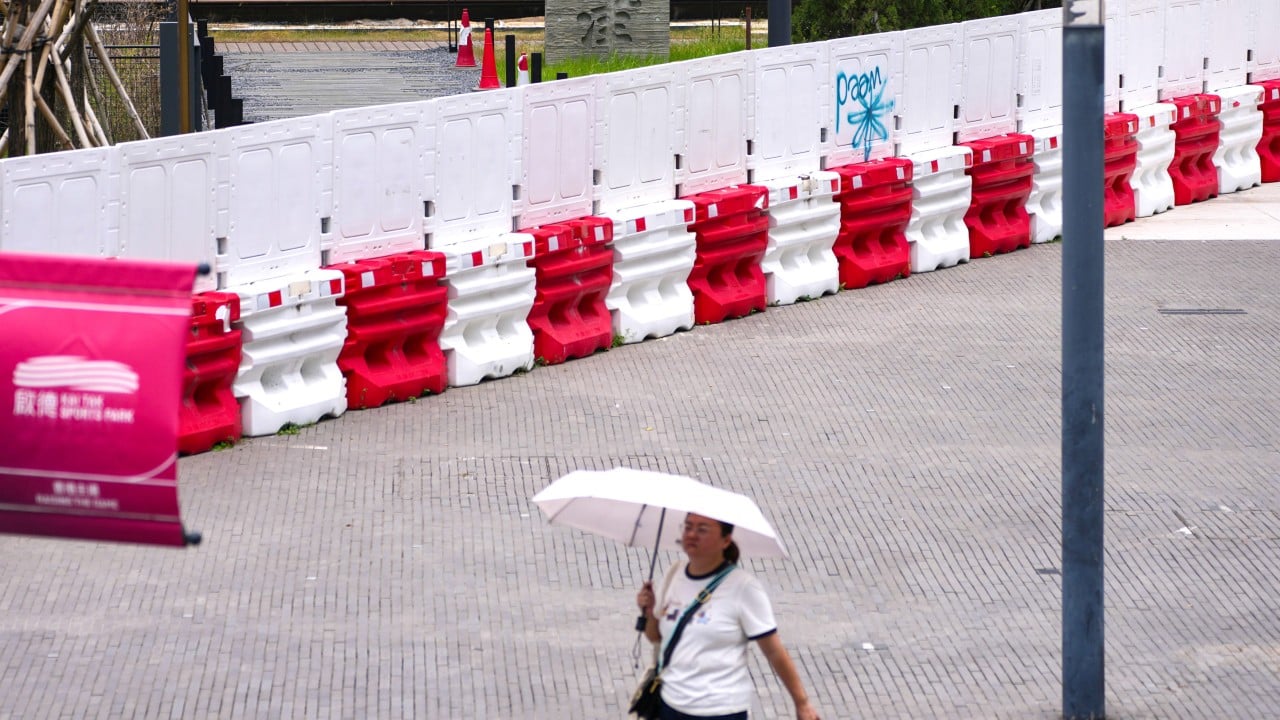
Nearly 30 years after the closure of Hong Kong’s iconic Kai Tak Airport, state-owned giant China Railway Rolling Stock Corporation (CRRC) hopes to provide the nearby waterfront area – a narrow stretch of land that juts into Victoria Harbour – with a route to better transit connectivity. Executives from the world-leading railway vehicle manufacturer said the company aims to use the former airport…
Transit giant CRRC sets down marker in Hong Kong as sales pitch to overseas cities

Nearly three decades after Hong Kong’s Kai Tak Airport closed, state-owned company CRRC aims to boost transit connectivity in the city’s waterfront area. The company hopes to utilize the former airport site as a testbed for autonomous bus systems and potentially expand its reach globally. CRRC plans to deploy trackless, electric autonomous rapid transit (ART) buses to link Kai Tak to the broader city at a lower cost compared to metro or tram systems.

However, geopolitics and concerns over data privacy could hinder the project’s progress. A successful launch in Hong Kong could serve as a strong case for CRRC to persuade other major cities internationally.

Written by urgent.news from South China Morning Post's reporting — not their text. Machine-written — may contain errors; check the original before relying on it.

This story

This is one outlet's version. Read the fullest account.
Read the original at scmp.com →

More in Business

The number of applications for housing demolition permission, or "tocheo" in Korean, for Seoul apartment buildings has been decreasing for three consecutive months. This trend is also reflected in the slowing down of rising apartment prices in Seoul. According to the Seoul Metropolitan Government, the number of tocheo applications received from January to March this year was 6,337. This represents a 32.7% decrease compared to the 9,421 applications received during the same period last year. Compared to the monthly figures, January saw 2,568 applications, February 2,091, and March 1,678. The number of applications has been decreasing for three consecutive months since January. The decrease in tocheo applications is also reflected in the slowing down of rising apartment prices in Seoul. According to the Korea Real Estate Board, the average price of apartments in Seoul rose 0.38% in March. This is a decrease from the 0.45% increase in February and the 0.83% increase in January. Experts say that the decrease in tocheo applications and the slowing down of rising apartment prices are due to the government's measures to control the real estate market. The government has been implementing various measures to cool down the real estate market, including increasing the down payment ratio and tightening lending regulations. As a result, experts predict that the real estate market will continue to slow down in the coming months. However, some experts also note that the decrease in tocheo applications may not necessarily mean that the real estate market is slowing down. They argue that the decrease in applications may be due to the fact that many developers are choosing to delay their projects until the government's policies become clearer. In any case, the trend of decreasing tocheo applications and slowing down of rising apartment prices is expected to continue in the coming months. The government will continue to monitor the real estate market and implement measures to ensure that it remains stable.

Choosing the right decision makers

Leadership is not simply about making decisions. It is also about knowing who should be trusted to make them. As organisations grow, leaders cannot, and should not, make every decision themselves.

More from Friday 14 August →