This scientist is helping build a missing map of childhood
In 2017, Deanne Taylor attended a presentation at the University of Pennsylvania, just a short walk from her office. A researcher was there to unveil the Human Cell Atlas, an ambitious project that aimed to map every cell in the human body. Taylor was floored, and then concerned. As details emerged, she discovered that the…
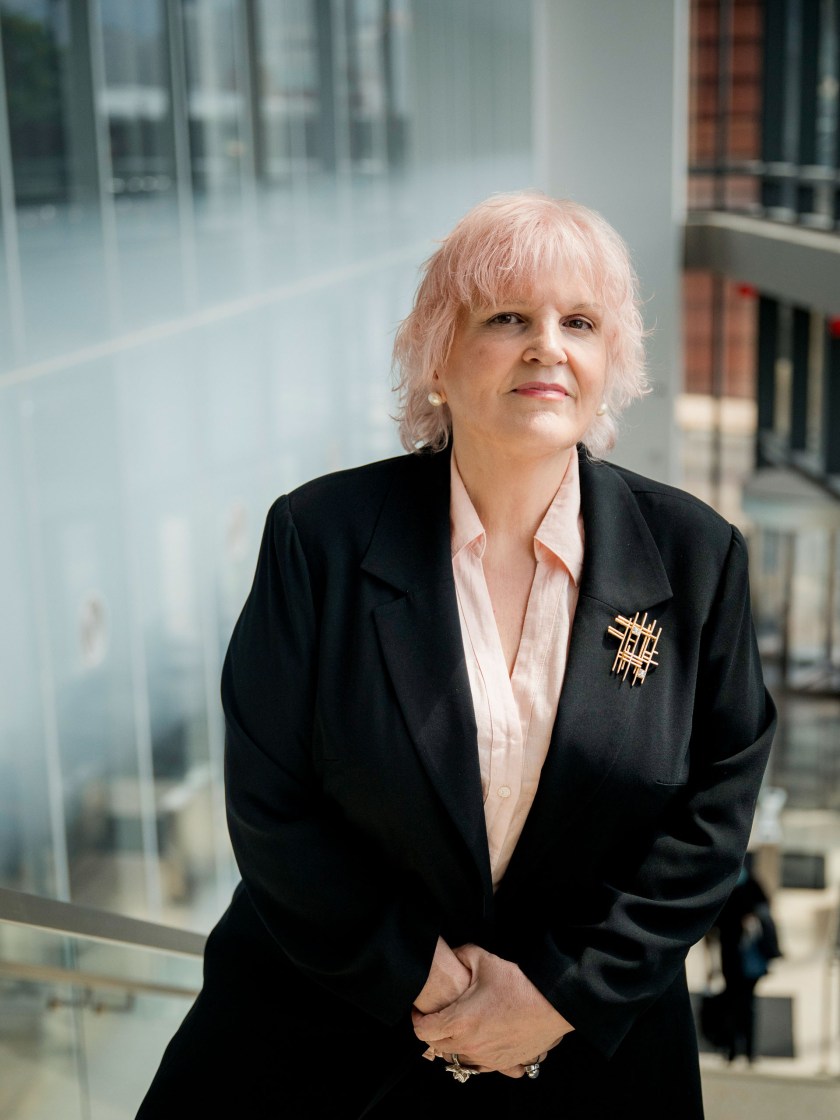
In 2017, Deanne Taylor attended a presentation at the University of Pennsylvania where the Human Cell Atlas project was unveiled. The project aimed to map every cell in the human body, but Taylor was concerned to learn that it would only focus on adult cells. As the director of bioinformatics at the Children's Hospital of Philadelphia (CHOP) since 2019, Taylor had long been frustrated by the lack of investment in medical research focused on children.
She realized that children's cells have unique gene expression patterns that can lead to drastically different responses to drugs compared to adults. Inspired by a 2017 talk, Taylor joined the Human Cell Atlas's volunteer team and helped write a section on children for a white paper on the project's goals and plans. She then rallied a coalition of pediatric researchers and published a paper in 2019 emphasizing the need for pediatric research.
The push paid off when the National Institutes of Health awarded a $38.5 million grant to the Developmental Genotype-Tissue Expression Project (dGTEx) in 2021. The project aims to establish the first comprehensive database of healthy pediatric tissue by collecting and mapping gene expression in otherwise healthy children who have died and whose parents agreed to donate their bodies.
Taylor and her team curate and standardize the data associated with each tissue donation, creating a baseline of what gene expression looks like in children. This data will eventually feed into the Human Cell Atlas, which now includes a pediatric section thanks to Taylor and other coauthors of the 2019 paper. Taylor's career has been described as a "random walk," driven by a singular intensity she attributes to undiagnosed autism and ADHD.
Despite a winding path from her early fascination with medical texts as a child to her current role, Taylor remains focused on understanding why the same illness affects people differently. She believes the Human Cell Atlas, including data from dGTEx and other projects, could help researchers find answers to this question.
Written by urgent.news from MIT Tech Review Biotech's reporting — not their text. Machine-written — may contain errors; check the original before relying on it.
This story
This is one outlet's version. Read the fullest account.
- This scientist is helping build a missing map of childhood technologyreview.com