This scientist is helping build a missing map of childhood
In 2017, Deanne Taylor attended a presentation at the University of Pennsylvania, just a short walk from her office. A researcher was there to unveil the Human Cell Atlas, an ambitious project that aimed to map every cell in the human body. Taylor was floored, and then concerned. As details emerged, she discovered that the…
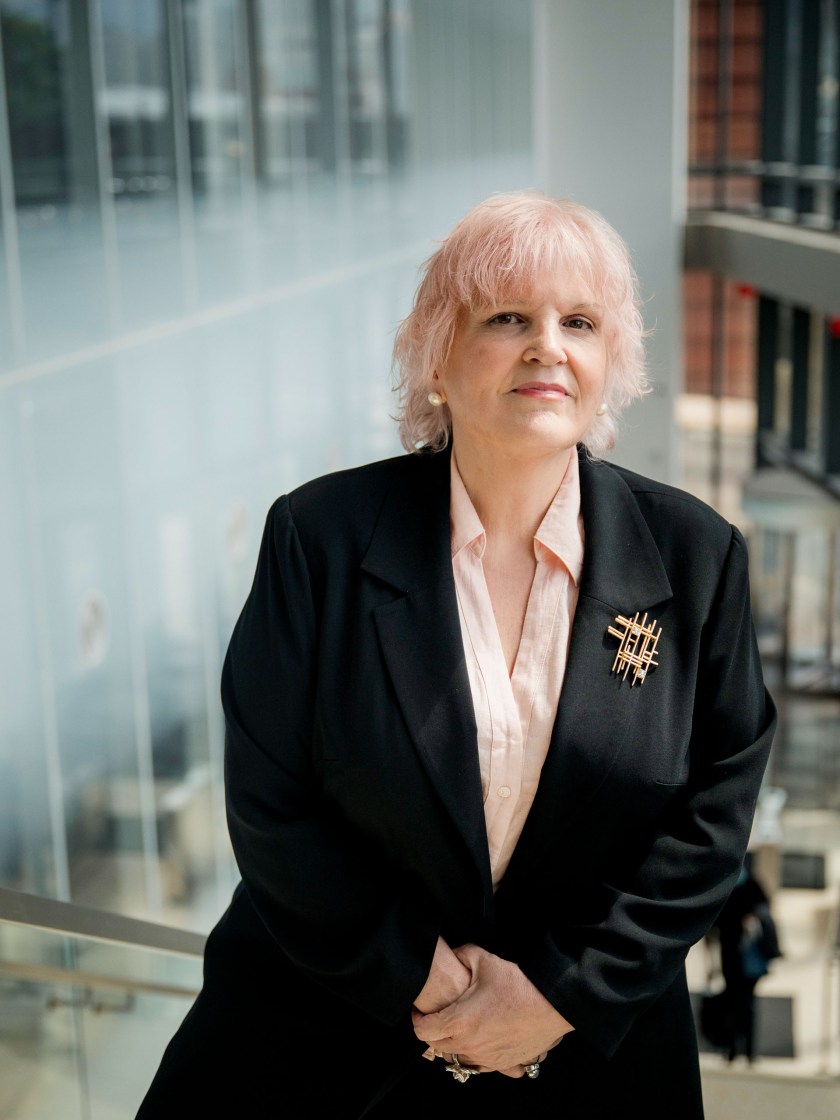
In 2017, Deanne Taylor observed a presentation at the University of Pennsylvania about the Human Cell Atlas, a project aiming to map every cell in the human body. The researcher spoke about mapping adult cells, leaving Taylor concerned as she realized the project was missing a crucial piece of the puzzle - studying children. As the director of bioinformatics at the Children's Hospital of Philadelphia (CHOP), Taylor recognized the importance of understanding how children's cells differ from adults'.
Children's cells express genes differently, leading to distinct and potentially deadly responses to drugs that adults tolerate well. Taylor joined the Human Cell Atlas's volunteer team and helped write a section on children for a white paper outlining the group's goals and plans. She rallied pediatric researchers at her hospital and published a paper advocating for studies on children to attract more interest and funding.
In 2021, the NIH granted $38.5 million to the Developmental Genotype-Tissue Expression Project (dGTEx), an initiative establishing the first comprehensive database of healthy pediatric tissue. This database will create a baseline of gene expression in children, enabling research into normal development, disease, and drug effectiveness.
Taylor's work has been instrumental in bringing a holistic view of pediatric development to the Human Cell Atlas, which now includes a pediatric section. Her interdisciplinary spirit and ability to bring diverse research projects together have been crucial for the project's success.
Written by urgent.news from MIT Technology Review's reporting — not their text. Machine-written — may contain errors; check the original before relying on it.
Also reported by 1 other outlet
- This scientist is helping build a missing map of childhood technologyreview.com