The Real “Mummy’s Curse” Lurks Online
A booming market for mummified remains poses health risks The post The Real “Mummy’s Curse” Lurks Online appeared first on Nautilus .
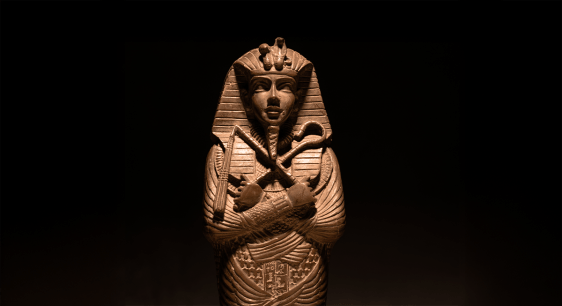
The excitement surrounding the discovery of King Tutankhamun's tomb in the 1920s sparked a wave of interest in mummified remains, leading to rumors of a "mummy's curse." This fear was not unique to Tutankhamun's tomb, as similar incidents occurred shortly after other discoveries. For instance, Walter Ingram died after purchasing an Egyptian mummy in 1888, and a similar situation unfolded at Poland's King Casimir IV Jagiellon's tomb 50 years later, with 10 of the 12 conservators who entered his tomb dying within months.
The source of these unfortunate events was later discovered to be Aspergillus, a fungus capable of lying dormant for centuries and causing lung infections when inhaled. A new study published in the International Journal of Cultural Property analyzed 128 listings on Facebook, Instagram, and online auction sites selling mummified remains.
The researchers found that most listings were for human body parts, but they also discovered mummified animals for sale. The researchers, led by a team of bioarchaeologists from the University of Staffordshire in the United Kingdom, were alarmed by the lack of biosecurity measures employed by sellers who did not provide information about safe handling of the specimens.
Some sellers even posted photos of themselves holding the specimens without gloves. The researchers noted that many of the mummified remains exhibited signs of biodeterioration, which they attributed to fungal activity. Aspergillus is not the only biohazard associated with mummified remains, as ancient embalming chemicals can also cause skin and lung irritation.
The researchers warn that lax attitudes towards handling, labeling, storing, and packaging may exacerbate fungal activity. They urge the public to remain vigilant and report sales of mummified remains to relevant authorities and professional bodies. They emphasize the need for improved oversight and education to safeguard public health and preserve archaeological remains.
Written by urgent.news from Nautilus's reporting — not their text. Machine-written — may contain errors; check the original before relying on it.