A Medieval Man's Injuries Reminded One Archaeologist of Modern-Day Car Crash Victims. They Turned Out to Be the Work of an English Trebuchet
A skeleton unearthed in Scotland likely belongs to a soldier struck by a high-speed projectile during Edward I's 1304 siege of Stirling Castle. The man suffered more than 160 fractures
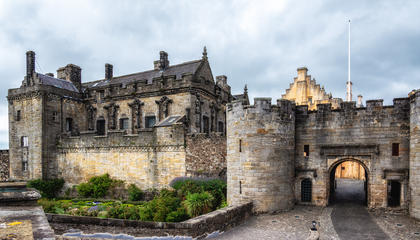
In 1304, English King Edward I unveiled a massive wooden trebuchet named War Wolf as part of his campaign against Scotland. This siege engine was capable of launching projectiles weighing over 300 pounds, easily smashing through castle walls. Over 700 years later, archaeologists discovered a skeleton at Stirling Castle with more than 160 fractures, primarily affecting the skull and ribs.
Bioarchaeologist Jo Buckberry at the University of Bradford believes this man's remains are the first known evidence of trebuchet trauma in the archaeological record. The injuries suggest the man was struck from behind by a projectile traveling at high velocity, likely a large stone from the trebuchet that pinned him to the ground.
Radiocarbon dating shows the skeleton dates to the Wars of Scottish Independence, and no signs of hand-to-hand combat injuries were found. While it's uncertain if the man was directly hit by War Wolf, Buckberry finds it highly probable that he succumbed to an impact from one of Edward's trebuchets during the siege.
Written by urgent.news from Smithsonian's reporting — not their text. Machine-written — may contain errors; check the original before relying on it.