The legacy of Zhu Rongji
His crowning achievement was securing American support for China’s entry into the World Trade Organization, which came in 2001.
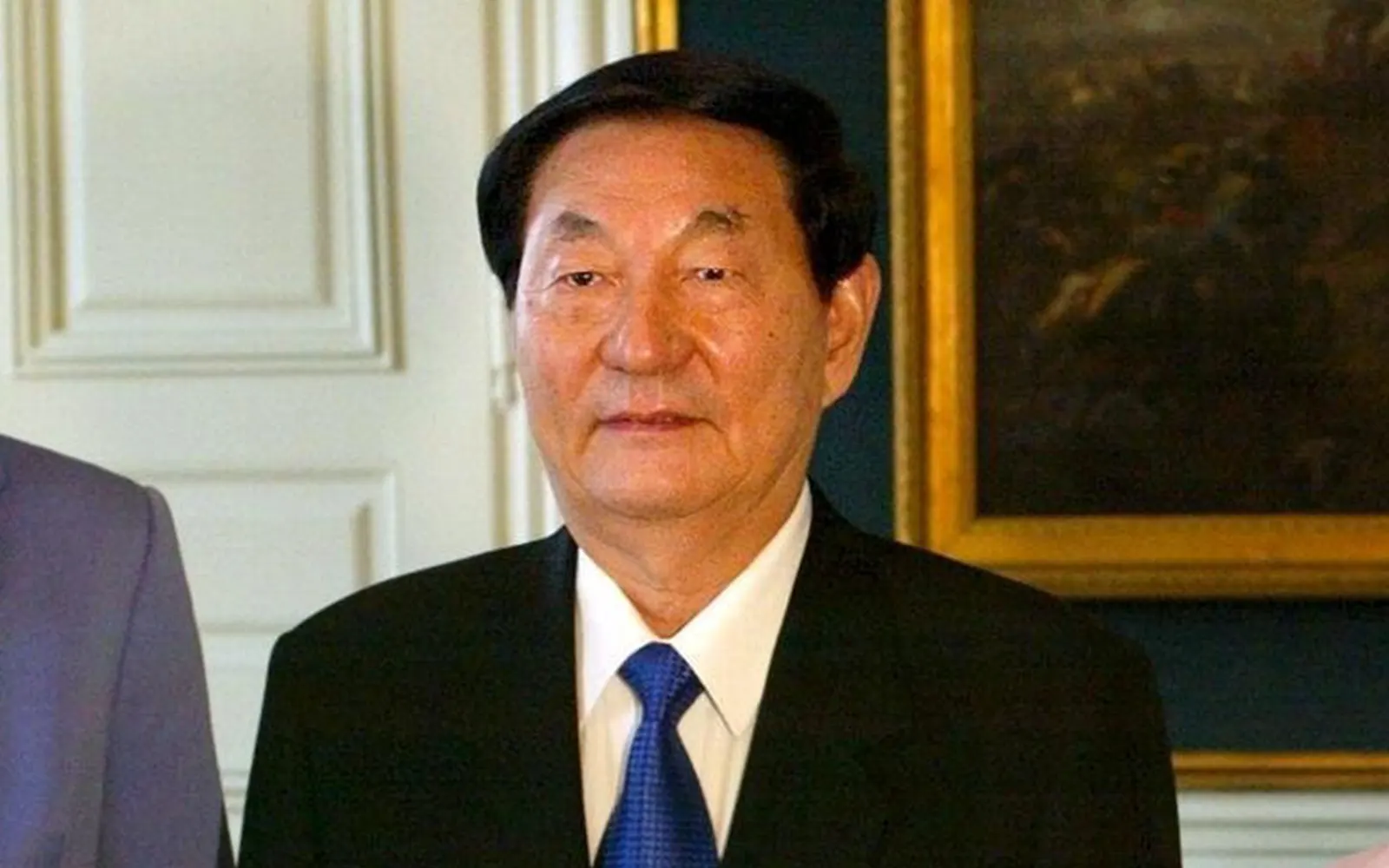
Since the People’s Republic of China was founded nearly 77 years ago, only two premiers—Zhao Ziyang and Zhu Rongji—can be credited for the country’s economic rise. In the 1980s, Zhao translated Deng Xiaoping’s vision of “reform and opening up” into policy, but it was Zhu Rongji who, born in 1928 in Changsha, Hunan, and raised by his uncle after his father’s and mother’s early deaths, forged his own impressive list of accomplishments in the 1990s.
Zhu, who passed away at the age of 97, rose to one of China’s most respected senior leaders. Tragedy marked Zhu’s life, starting with the death of his parents and a childhood spent being raised by his uncle. Despite excelling in school and graduating from Tsinghua University with an electrical engineering degree, Zhu’s rise through the ranks of the Communist Party of China (CPC) was fraught with setbacks.
Expelled during Mao Zedong’s anti-intellectual campaign in 1957-58, Zhu was labeled a “rightist” and sent to the countryside for manual labor re-education. He only returned to his job at the State Planning Commission five years later, but his “rightist” label continued to hinder his prospects. Zhu faced further purges during the Cultural Revolution, but Mao’s death in 1976 changed his fortunes.
In 1978, he rejoined the CPC and was appointed to a mid-level position in the State Economic Commission. In 1983, Zhu became vice-minister of the commission, and in 1987, he was appointed mayor of Shanghai, where he became known for effective economic reforms, loyalty to the party, and opposition to corruption. Deng Xiaoping, impressed by Zhu’s economic acumen, appointed him as a vice-premier in 1991, and later made him executive vice-premier.
Zhu’s tenure as chief economic strategist included taming high inflation, implementing groundbreaking reforms, unifying China’s exchange rates, restructuring the tax system, and overseeing financial sector reforms that transformed the banking system. His crowning achievement came when he secured American support for China’s entry into the World Trade Organization in 2001, significantly boosting Chinese exports.
Zhu’s leadership style was unique—outspoken, gifted, and loyal—yet he was not a political reformer. Although he avoided political liberalisation, his institutional reforms strengthened state administrative capacity rather than empowering the private sector. Zhu’s rise from a banished “rightist” to premier was a remarkable and unlikely journey, shaped significantly by Deng’s personal intervention.
Written by urgent.news from Free Malaysia Today's reporting — not their text. Machine-written — may contain errors; check the original before relying on it.
This story
This is one outlet's version. Read the fullest account.
- Zhu Rongji’s legacy: how the late premier reshaped state firms, Pudong and China’s economy scmp.com
- S. Korean ambassador to China mourns death of ex-Chinese Premier Zhu Rongji koreatimes.co.kr
- The legacy of Zhu Rongji freemalaysiatoday.com
- S. Korean ambassador to China mourns death of ex-Chinese Premier Zhu Rongji en.yna.co.kr