The EPA’s data on cancer risk from air pollution has gone dark
For decades, communities have relied on the agency's cancer risk estimates to hold polluters accountable. This year, it's missing.
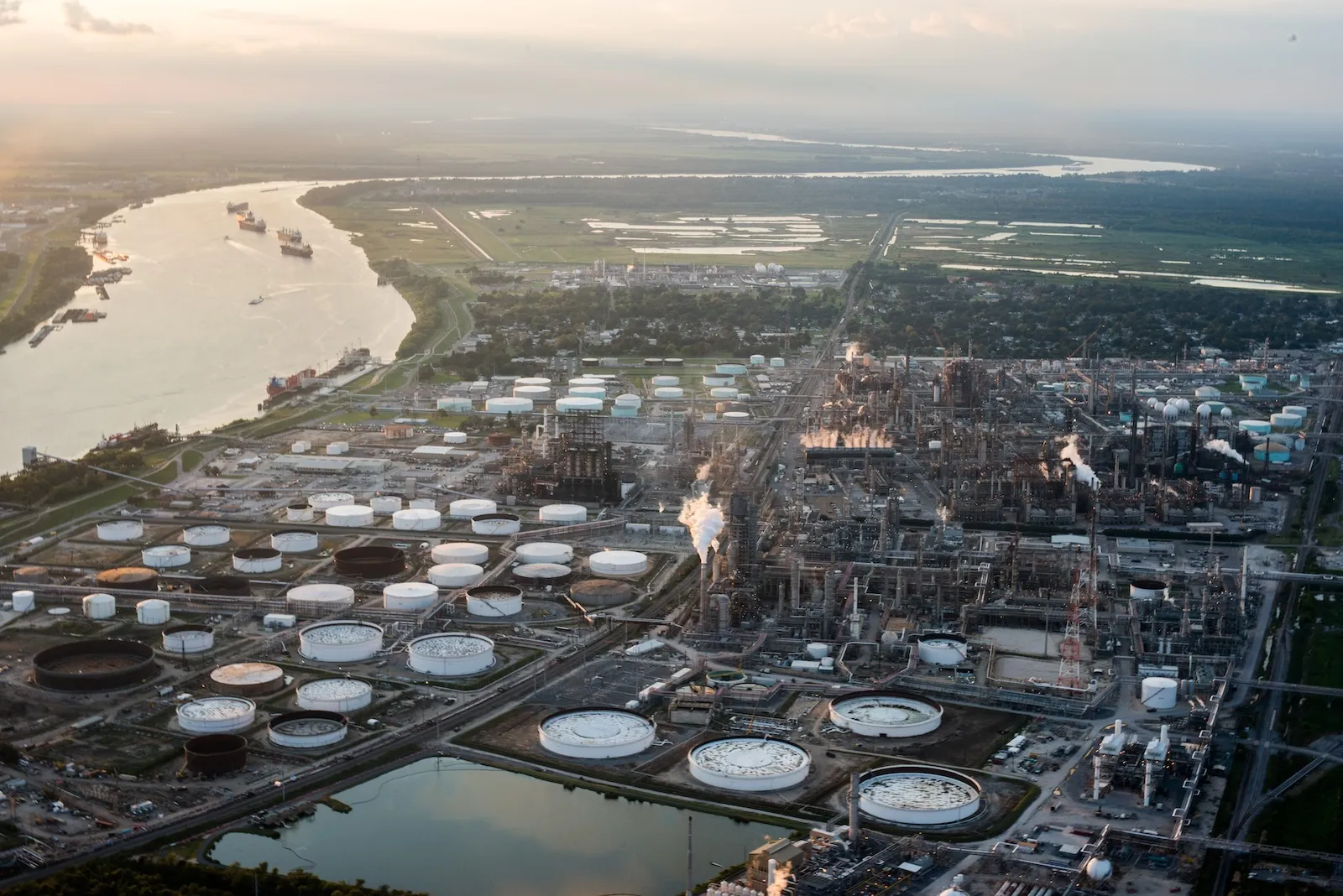
The Environmental Protection Agency (EPA) has recently stopped providing cancer risk estimates related to air pollution from certain facilities. This shift comes after the agency stopped including such data in its latest national air pollution updates, which have been published for over two decades. The omission affects communities concerned about exposure to ethylene oxide, a powerful carcinogen emitted by these facilities.
The cancer risk estimates were previously used by residents, journalists, and nonprofits to raise awareness and push for stricter emission limits. Community members were left to interpret the pollution data without specialized expertise and knowledge of the EPA's protocols, making it increasingly difficult for them to act on public health information.
The Trump administration has been criticized for making environmental data harder to access, with nearly 2,000 webpages and datasets removed or modified. The EPA's decision to remove cancer risk data is seen as a setback for public health, as it shifts the burden of understanding pollution impacts onto the public.
Written by urgent.news from Grist's reporting — not their text. Machine-written — may contain errors; check the original before relying on it.