EU to study potential vaccine for Lyme disease
Pfizer and the French-Swiss firm Valneva say trials have shown a 70% efficacy rate in people aged five and above.
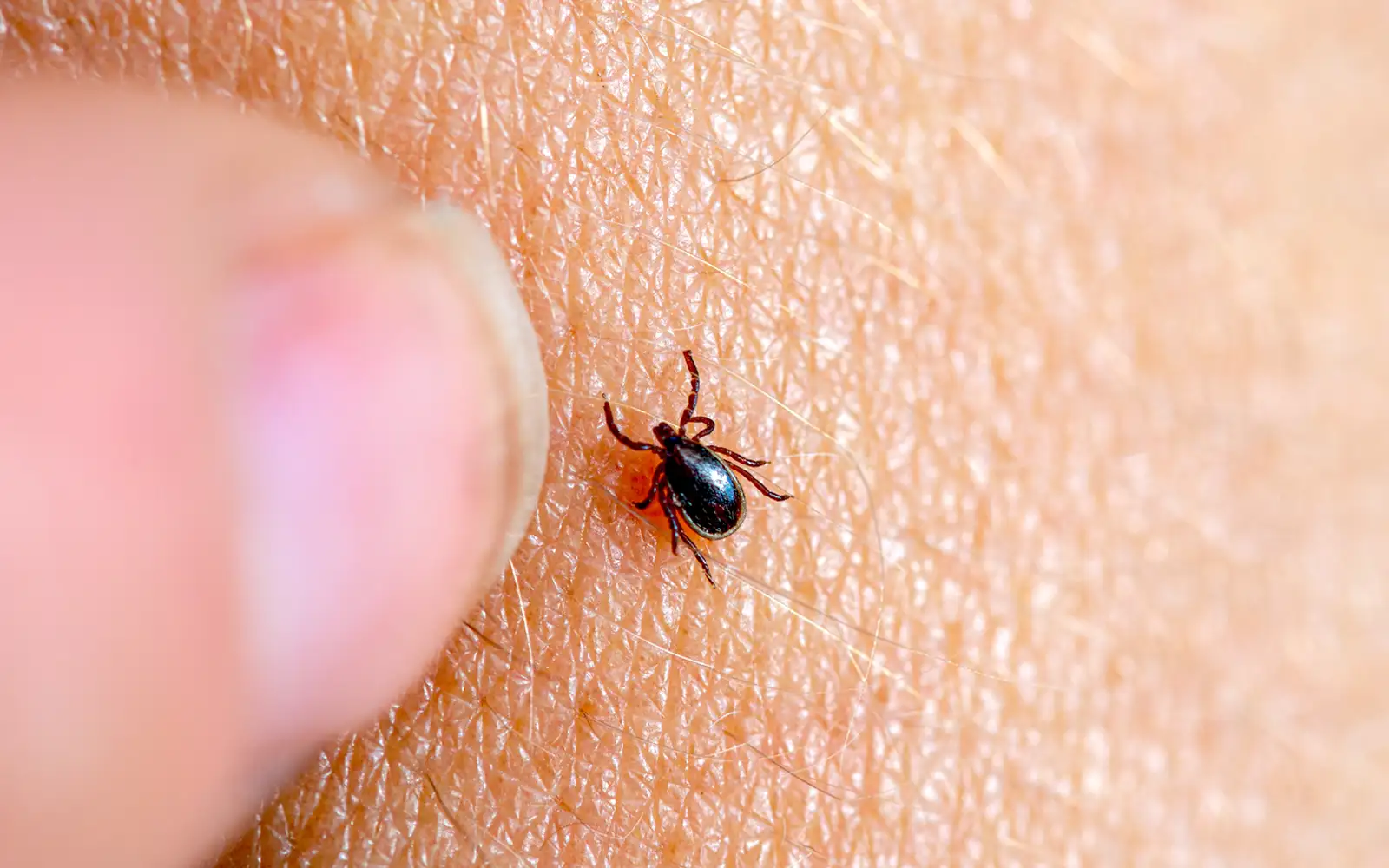
EU officials have agreed to investigate an experimental vaccine against Lyme disease, the world's most common tick-borne illness, according to developers Pfizer and Valneva. The two companies reported that trials have demonstrated a 70% efficacy rate in individuals aged five and older for the disease, which currently lacks an approved vaccine. Despite earlier setbacks, the European Medicines Agency (EMA) has accepted the firms' application for approval of their treatment, officially designated as PF-07307405.
Lyme disease, transmitted through tick bites, can result in rashes, flu-like symptoms, and in some cases, neurological issues. While rarely fatal, the condition affects over 14% of the global population, according to a 2022 study, with transmission potentially increasing due to climate change. Valneva's CEO, Thomas Lingelbach, expressed that the EMA's approval marks a significant milestone, particularly as more than 200 million people reside in Lyme disease-prone areas across Europe.
Pfizer's Chief Vaccines Officer, Annaliesa Anderson, emphasized the potential of vaccination as an additional protective measure against this debilitating disease. Valneva's shares experienced a nearly 16% increase following the news.
Written by urgent.news from Free Malaysia Today's reporting — not their text. Machine-written — may contain errors; check the original before relying on it.
This story
This is one outlet's version. Read the fullest account.
- At-home test for infected ticks could improve Lyme Disease diagnosis smithsonianmag.com
- A Lyme disease vaccine may finally be on the way. Why did it take so long? nationalpost.com
- EU to study potential vaccine for Lyme disease freemalaysiatoday.com