Sukuk liquidity outpaces Gulf bonds as markets recover
Arabian Post Staff -Dubai Sukuk have become more liquid than conventional bonds across key Gulf markets, with Saudi Arabia, Oman and Bahrain recording stronger trading conditions for Islamic debt as regional fixed-income markets recover from disruption caused by the US-Iran conflict. Liquidity scores for sukuk rose to 68 compared with 57 for bonds when US dollar outstanding securities were…
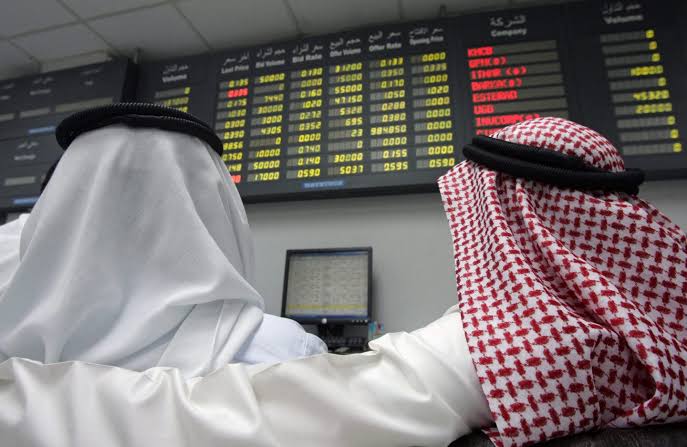
Sukuk, or Islamic bonds, have surged in liquidity compared to traditional bonds across key Gulf markets, following the recovery from the US-Iran conflict. Saudi Arabia, Oman, and Bahrain have shown stronger trading conditions for Islamic debt, with sukuk liquidity scores rising to 68, up from 57 when US dollar outstanding securities were excluded.
This gap between sukuk and bonds indicates that investors find sukuk comparatively easier and less costly to trade in several domestic Gulf markets. However, this pattern is not consistent across the Gulf Cooperation Council (GCC). In Qatar and the UAE, sukuk and bonds recorded identical liquidity scores, while in Kuwait, bonds remained more liquid than sukuk.
The differences in liquidity highlight the fragmented nature of the recovery, depending on factors such as market depth, currency, issuer profiles, and the availability of securities to investors. When considering both dollar-denominated and non-dollar sukuk and bonds, liquidity scores are almost identical, with sukuk at 57 and bonds at 53 as of August 12.
The assessment of liquidity is done using Bloomberg’s framework, which estimates the cost of liquidating securities. Sukuk have not only improved in the Gulf region but also globally. Egypt, Oman, Malaysia, and Ireland have seen their sukuk liquidity readings exceed pre-war levels in August, with Egypt showing a strong rebound of 11 points.
This recovery comes after severe volatility earlier in the year, with about 72% of rated sukuk having liquidity scores above 50 by June 9, up from 64% in March 23. The recovery, however, has not been complete, as it remained below the 81% recorded in January, indicating that normalisation was still incomplete despite geopolitical risks pushing investors towards more tradable securities.
Trading conditions have strengthened due to easing geopolitical risk premiums and a return of investors to Gulf fixed income. Investment-grade GCC bond and sukuk spreads have moved back towards pre-war levels by mid-June, although absolute borrowing costs remain higher due to US Treasury yields' influence on regional debt pricing.
Sukuk have gained importance in the Gulf's broader financing system, accounting for about 41% of debt capital markets outstanding in the GCC at the end of 2025, the highest proportion among major regions. Global sukuk outstanding had crossed $1 trillion by the end of 2025, after issuance reached roughly $300 billion during 2025.
However, market growth slowed during the first half of 2026 due to geopolitical volatility and higher yields, with sukuk issuance across the GCC, Malaysia, Indonesia, Turkiye, and Pakistan falling by 36% year on year to about $125 billion. Despite market turbulence, credit quality has remained resilient, with over 80% of rated sukuk being investment grade during the first half, and no sukuk defaults since 2021.
The proportion of issuers carrying stable rating outlooks fell to about 80%, reflecting greater uncertainty surrounding regional economic and geopolitical conditions.
Written by urgent.news from Arabian Post's reporting — not their text. Machine-written — may contain errors; check the original before relying on it.