Submerged Leg Bones Suggest Denisovans May Have Stood Much Taller Than Other Hominins in Asia
Learn about two leg bones from the Taiwan Strait that have shed light on the large body size of Denisovans living in ancient Asia.
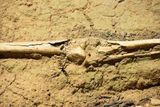
Recent discoveries of leg bones from two Denisovan individuals near Taiwan suggest these extinct relatives of modern humans and Neanderthals may have been significantly taller and bulkier than previously believed. Denisovans, who lived across Asia until around 30,000 years ago, have left very few fossils behind, making their stature and physical appearance uncertain.
Two Denisovan leg bones recovered from the Penghu Channel, a body of water in the Taiwan Strait, indicate they were among the largest leg bones of all known hominins in the Pleistocene. The femur and tibia are estimated to be around 19 inches and 17 inches long, respectively, making them larger than the average modern human bones.
Based on these measurements, researchers estimate the two individuals stood at 5 feet 11 inches and 6 feet 2 inches tall, weighing approximately 183 pounds and 200 pounds. These body sizes are comparable to the largest known Pleistocene hominins from Africa and Europe but were larger than many other hominins in Asia, such as Homo erectus and Homo floresiensis.
The discovery of these larger-than-expected leg bones sheds new light on the physical appearance of Denisovans, suggesting they may have been physically distinct among their contemporaries in Asia.
Written by urgent.news from Discover Magazine's reporting — not their text. Machine-written — may contain errors; check the original before relying on it.