Scientists make a seaweed coating that beats the fridge for cutting food waste
Canadian researchers found a cheaper, lower-carbon way to keep strawberries fresh, cutting into a $58 billion waste problem.
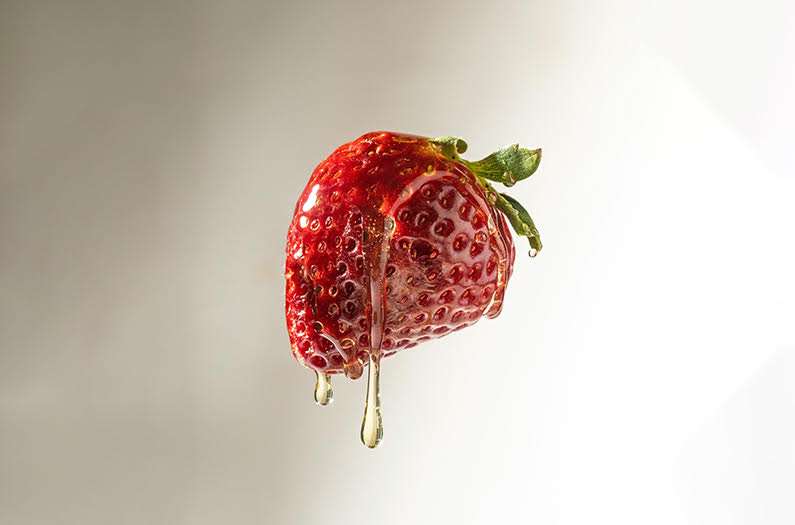
Researchers in Canada have developed a seaweed-based coating that keeps fruit fresher than refrigeration, potentially cutting food waste in half. The invention, published in Agricultural and Food Chemistry, uses agar, a vegan gelatin-substitute made from red algae, mixed with zinc and tannic acid. When applied to strawberries, apples, and grapes, the coating self-assembles into a thin layer of microparticles that evenly covers the fruit. This self-organizing ability was tested on strawberries, apple slices, and grapes.
In trials, coated strawberries at room temperature lasted four days or more without molding, compared to two days for untreated strawberries kept in the fridge. Coated strawberries in the fridge lasted six days, while untreated fridge-stored strawberries became moldy on day four. Coated apples remained fresh for roughly 24 hours, while uncoated apples showed signs of decay after 12 hours. Coated grapes lasted almost 14 days, while untreated grapes wrinkled and shriveled after a week.
The researchers found that the coating reduced weight loss in strawberries from 30% to 13% after four days. It also has antibacterial properties, is safe for human consumption, maintains nutritional quality, and can be easily washed off. A lifecycle analysis showed that the coating had a lower or equivalent emissions impact to refrigeration.
Food waste is a significant issue in Canada, with up to 46% of fresh produce lost or wasted annually, valued at $58 billion. The researchers believe their invention could make a significant impact, turning small gains into big savings across the cold chain system.
Written by urgent.news from Anthropocene Magazine's reporting — not their text. Machine-written — may contain errors; check the original before relying on it.