Antarctica Is Releasing Mercury Faster Than Ever Because of Climate Change
A new study shows melting glaciers are remobilizing pollutants.
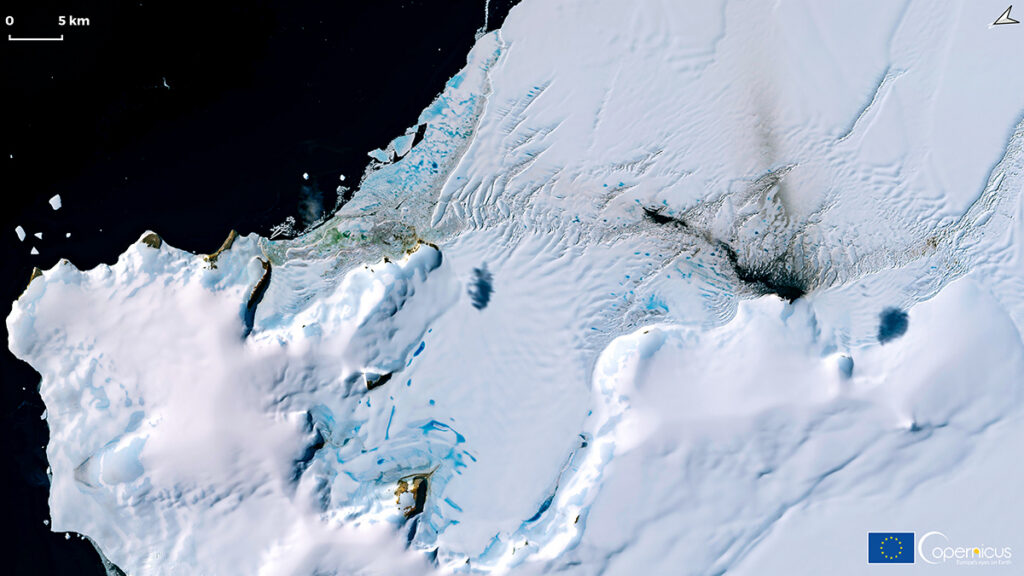
Antarctica, a continent isolated from major cities and surrounded by cold waters, might seem an unlikely source of anthropogenic pollution. However, new research published in the Proceedings of the National Academy of Sciences of the United States of America reveals that mercury levels in the region are rising faster than ever before due to climate change.
Antarctica's icy temperatures trap airborne and marine pollutants, making it a sink for contaminants like mercury, a heavy metal that poses threats to human and wildlife health. As global temperatures rise, the continent's ice cap is melting, releasing long-stored mercury into the ocean and accelerating its release into the environment.
The study analyzed 16 sediment cores from the continental shelf off the Antarctic Peninsula, revealing a 160% increase in mercury accumulation since industrialization, with rates accelerating in the 1950s. About 56% of the mercury detected in the cores originated from atmospheric sources, while the rest was likely released from glacier melt, weathering, and erosion.
The findings highlight the amplifying role of climate change in mercury cycling, emphasizing that climate change and mercury pollution are not independent environmental issues.
Written by urgent.news from Eos's reporting — not their text. Machine-written — may contain errors; check the original before relying on it.