RBI shortens FCNR (B) deposit swap window to Aug 31
The Reserve Bank of India recently announced a revised timeline for the swap facility associated with FCNR(B) deposits, now set to end on August 31, 2026. This adjustment follows an unexpected increase in foreign currency inflows noted until August 13. Meanwhile, borrowers utilizing ECB and OFCB options will continue to benefit from an extended scheme, running through December 31, 2026.
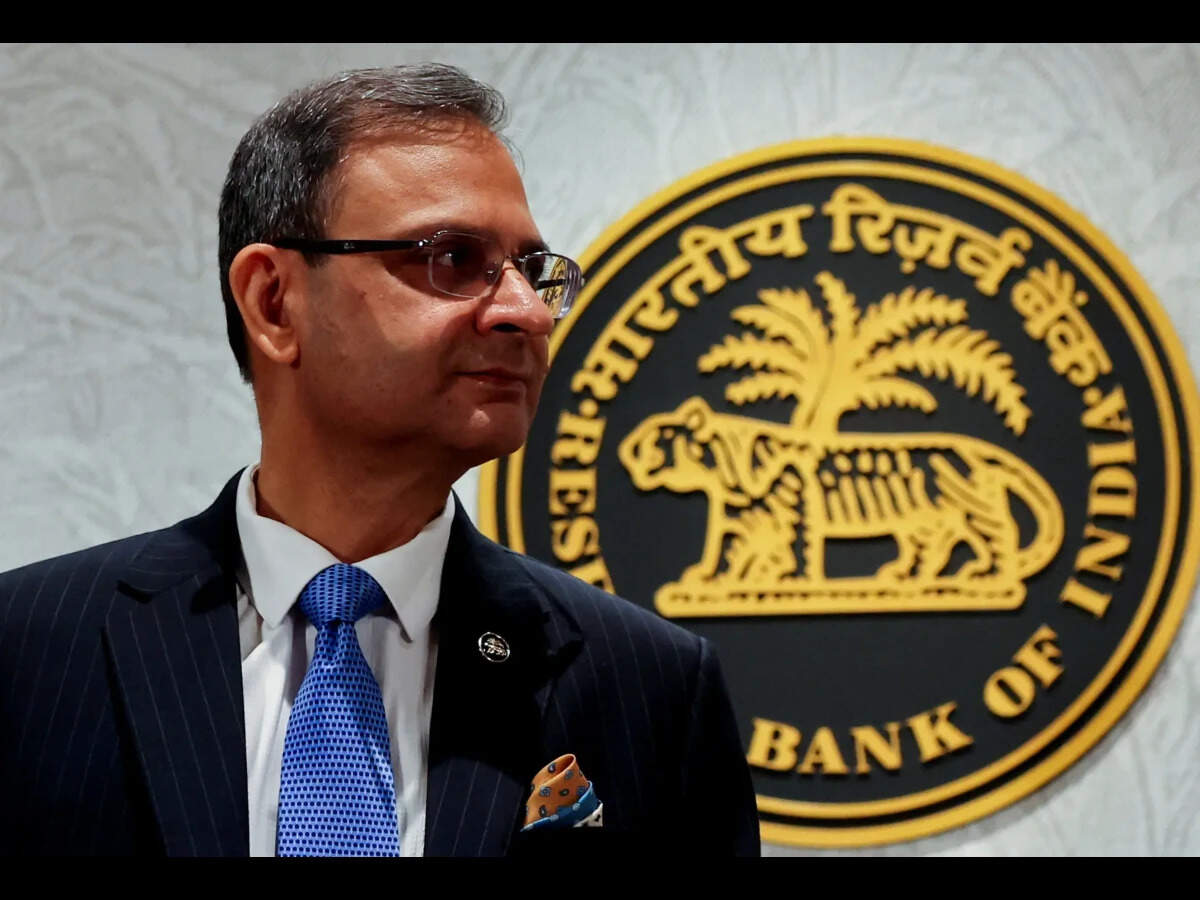
The Reserve Bank of India (RBI) has cut the window for swapping foreign currency non-resident (bank) or FCNR (B) deposits by a month, ending on August 31 instead of the originally scheduled September 30. This decision comes as the central bank received $52.30 billion in inflows through these deposits by August 13, according to the latest update.
The RBI announced this change following the positive response to the swap facility for FCNR (B) deposits and the resulting foreign exchange inflows. Banks can now avail themselves of the swaps under this facility until September 11, 2026. The facility, implemented on June 8, aims to boost dollar inflows and strengthen foreign exchange reserves by allowing banks to swap eligible overseas borrowings with the central bank at lower rates.
In total, foreign inflows amounted to $56.84 billion by August 13, up from the previously reported $40.81 billion as of July 31. FCNR (B) deposits accounted for the majority of the inflows, at $52.30 billion. In comparison, dollar inflows from external commercial borrowings (ECBs) and overseas foreign currency borrowings (OFCBs) were comparatively modest at $1.74 billion and $2.80 billion, respectively.
The swap scheme for ECBs and OFCBs will continue until December 31, 2026, as initially planned. As of now, there are no plans to prematurely close the swap window, despite concerns over the need to subsidize the facility, given India's stronger position compared to 2013 when the FCNR (B) scheme was introduced. RBI Governor Sanjay Malhotra confirmed that the inflows have met the central bank's objectives on the balance of payments, liquidity, and reserve adequacy.
Written by urgent.news from The Economic Times - Economy's reporting — not their text. Machine-written — may contain errors; check the original before relying on it.