New trend of injecting banned peptides to 'optimise' body
Peptides reproduced in a lab are the active ingredients in many common medications including insulin and GLP-1 weight-loss drugs. However unauthorised forms of synthetic peptides sold online have increasingly been promoted by influencers and gyms promising a more effective workout
At 9:30 pm, a young man's phone alarm rings, signaling it's time for him to inject banned peptides into his body. The aspiring bodybuilder takes out vials of GHK-Cu and Retatrutide from his refrigerator, substances he claims will enhance his skin and reduce his hunger. The peptides, which are not authorized for sale in France, are reconstituted with a liquid and injected into his lower abdomen.
Thomas, the name changed for privacy, takes GHK-Cu daily and Retatrutide three times a week, using them to optimise his appearance. He attends the gym almost daily and is one of many people experimenting with peptides, a class of substances touted online as a way to achieve glowing skin, stronger muscles, and other seemingly miraculous benefits.
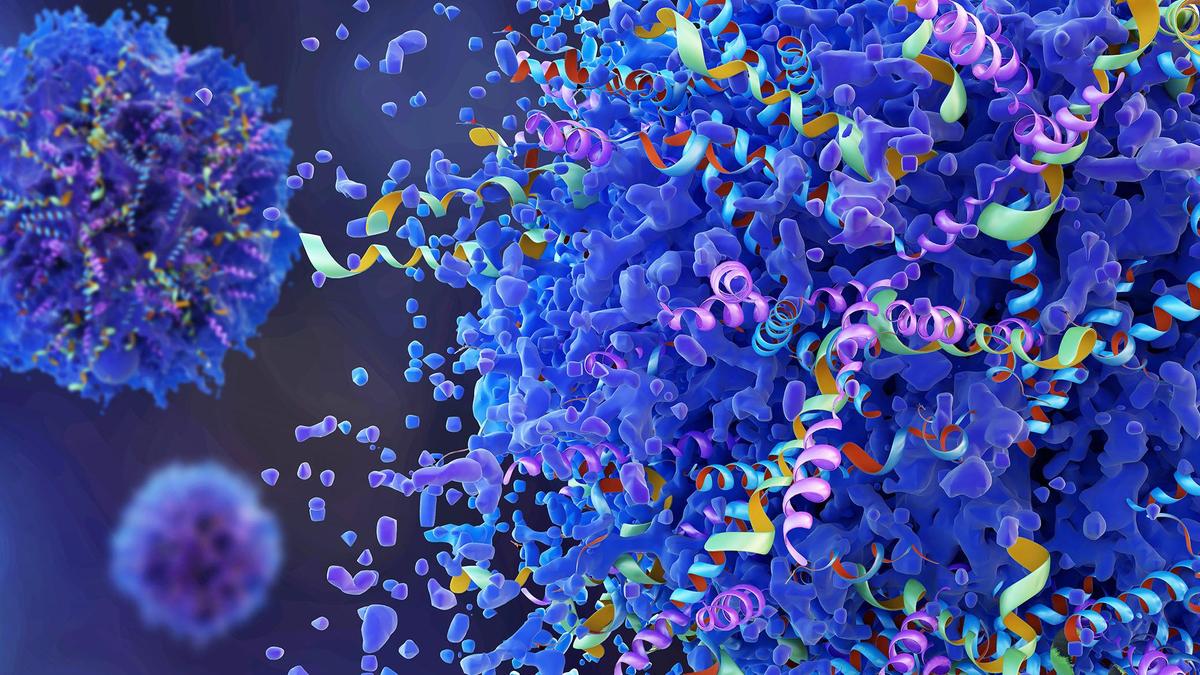
However, experts warn that there is little evidence to support these claims and that because these peptides have not been studied thoroughly, they can pose serious health risks. Peptides are short chains of amino acids that form proteins, which are the body's building blocks. They naturally occur in the body, aiding processes like tissue repair.
Unauthorised forms of synthetic peptides sold online have gained popularity, promoted by influencers and gyms promising a more effective workout. Thomas, who had already been using steroids before being introduced to peptides six months ago, sometimes injects himself with other peptides for anxiety relief and tissue repair. Despite the lack of official guidelines for their use, online communities share advice on dosages and frequency of injection.
However, neuroscientist Armelle Rancillac of French research institute INSERM cautions that knowledge on the appropriate use of these peptides remains limited due to a lack of human testing. She emphasizes that many promising effects observed in studies are not confirmed by large-scale, controlled clinical trials. INSERM has stated that no such trials have confirmed the promised benefits of peptides, warning of the very real health risks they may pose. In recent years, several countries have reported people being hospitalised after using peptides.
Written by urgent.news from The Hindu - Sci-Tech's reporting — not their text. Machine-written — may contain errors; check the original before relying on it.