Multi-property owner loses HK$10 million after fraudster poses as possible tenant
A woman in Hong Kong who owned multiple properties has lost HK$10 million (US$1.3 million) after being scammed by a fraudster posing as a prospective tenant. The force revealed on Friday that the 64-year-old retiree, whose properties consisted of residential, commercial and parking spaces, was contacted via WhatsApp by a scammer in May in response to a rental listing she posted on Facebook.…
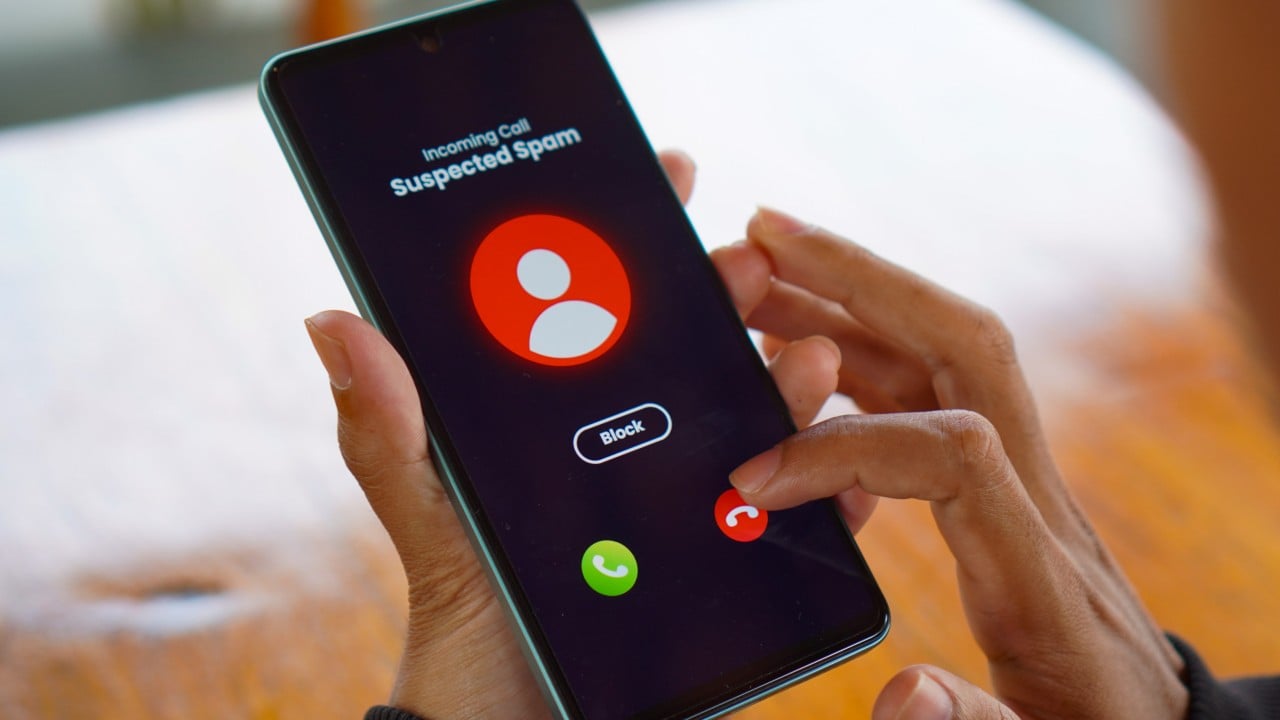
A 64-year-old retiree in Hong Kong lost HK$10 million after being fooled by a fraudster pretending to be a potential tenant. The con artist reached out to her via WhatsApp in May, following a rental advertisement she posted on Facebook. The scammer began building a relationship with the woman, promising to teach her about cryptocurrency investing.
He even provided her with detailed instructions on setting up a cryptocurrency wallet, but ultimately tricked her into sharing her wallet details and password. The woman then invested a total of HK$10 million in cryptocurrencies, which were subsequently transferred out of her digital wallet by the scammer. It wasn't until she realized her wallet was empty that she discovered the fraud.
Police issued a warning to the public, advising against sharing cryptocurrency wallet information and passwords, and to remain cautious when interacting with social media users, especially those promoting investment opportunities or offering high returns. Earlier this month, another 67-year-old woman was arrested for posing as a prospective tenant to scam two property owners out of HK$4.3 million in a virtual currency investment scheme.
She contacted the victims separately, each advertising a property for rent, and offered to pay in advance to gain their trust before enticing them into a supposed high-return investment scheme. The scammer even provided the victims with preloaded mobile phones with fraudulent cryptocurrency investment apps, which secretly controlled the victims' e-wallets.
Written by urgent.news from South China Morning Post's reporting — not their text. Machine-written — may contain errors; check the original before relying on it.