I'm a communications professional who lost my powers of speech. Here's what aphasia taught me
Mr Terence Ang spent nearly 30 years making a living from words. After a haemorrhagic stroke in 2020 took away his ability to speak fluently, he grappled with the loss and had to find new ways to communicate.
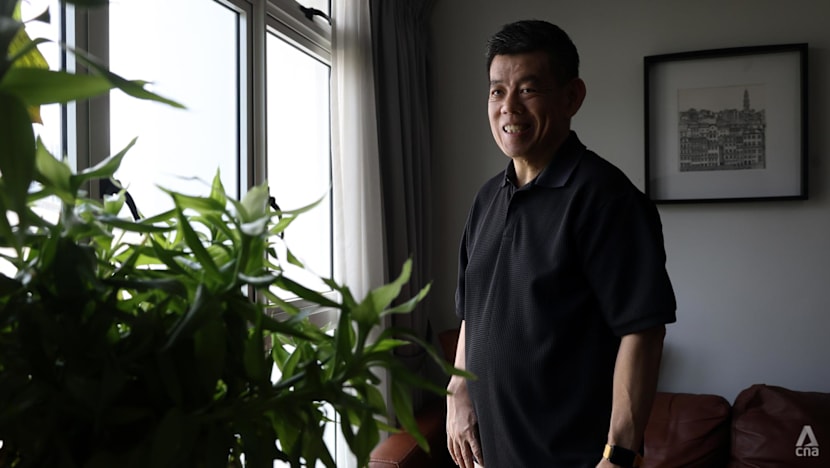
Terence Ang, a communications professional, lost his ability to speak fluently after suffering a haemorrhagic stroke in 2020. This loss of speech, a condition called aphasia, affected his career and personal life profoundly. He had to learn new ways to communicate, following exercises prescribed by his speech therapist to regain control over his facial and mouth muscles.
Communication, which had always been central to his professional identity, was now a challenge. Words, once his superpower and a source of confidence, had vanished. Aphasia not only robbed him of fluent speech but also derailed his career and affected his self-worth. Physical difficulties were visible, but the mental struggles were less apparent.
Conversations became tests of his ability to find words and convey thoughts accurately. Sometimes, people would finish his sentences, a sign of their struggle to keep up with his limited speech. The lack of participation in conversations left him feeling invisible and sometimes depressed. Despite the challenges, Terence eventually returned to work, but his career was no longer feasible due to his communication difficulties.
Over time, he found solace in writing, using writing as a medium to express his emotions and regain a sense of purpose. He published six books, including an audiobook version using AI tools, allowing his voice to continue reaching the outside world. AI might not cure aphasia, but it provided an alternative for Terence to share his thoughts and experiences.
Written by urgent.news from Channel News Asia's reporting — not their text. Machine-written — may contain errors; check the original before relying on it.