Can weather affect your periods? And when should you seek medical help?
Extreme weather conditions, such as heatwaves, heavy rain, and sudden changes in routine, can potentially impact a woman's menstrual cycle. While weather does not directly control menstruation, it can introduce physical stress to the body, thereby affecting sleep, hydration, physical activity, appetite, and stress levels, which may in turn influence ovulation and the symptoms experienced around a period.
Sandhya Vasan, gynecologist, explains that extreme weather acts as a physiological stressor. This stress can disrupt the body's hormonal signaling, including the hypothalamic-pituitary-ovarian (HPO) axis, which regulates ovulation and menstruation. Consequently, ovulation may be delayed, occur earlier, or be skipped, leading to a longer, shorter, or irregular cycle.
However, the direct link between weather and menstrual changes remains limited. Much of the effect may stem from the changes that extreme weather brings to everyday life, such as dehydration, fatigue, poor sleep, and physical stress. Extreme heat, for instance, can intensify menstrual symptoms like cramps, headaches, dizziness, and premenstrual symptoms due to blood vessel dilation, sweating, and fluid/electrolyte loss.
Pavithra Ramakrishnan, obstetrician and gynecologist, notes that some women might experience heavier or lighter bleeding, fatigue, and headaches during extreme heat. Dehydration and physical stress can alter the timing of ovulation, potentially shifting the next period. Certain individuals, including adolescents, women with pre-existing conditions like PCOS or thyroid disorders, athletes, outdoor workers, and those with limited access to water and rest, may be more vulnerable to the effects of extreme weather.
Cold weather can also impact menstruation. Constricted blood vessels and tightened muscles due to cold may worsen cramps for some women. Reduced physical activity during colder weather can similarly contribute to discomfort. Heavy rain and flooding pose additional menstrual health concerns, as disrupted transport and limited access to toilets, clean water, and menstrual products can hinder proper menstrual hygiene management.
To manage the effects of extreme weather, maintaining adequate fluid intake, wearing breathable clothing, and using clean menstrual products are essential. Dr. Gopinath advises changing menstrual products regularly, opting for breathable cotton underwear, and keeping the genital area clean and dry. Scented products should be avoided, and cloth pads should be washed and dried completely before reuse.
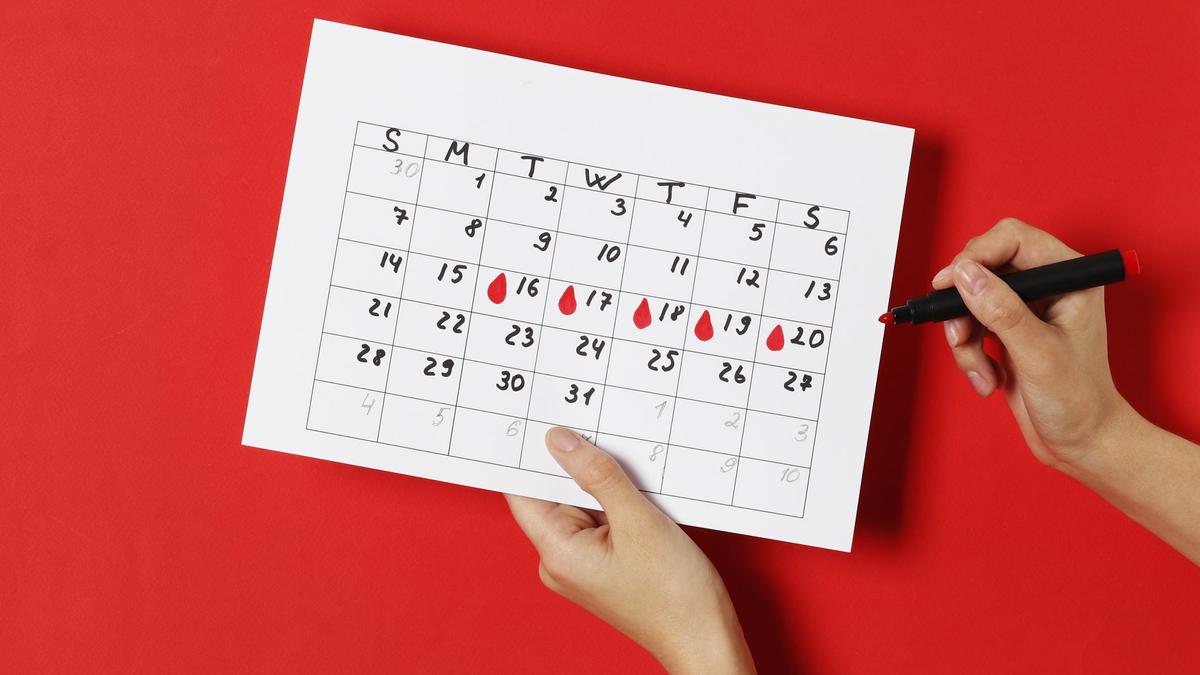
Monitoring menstrual changes during extreme weather can help distinguish temporary variations from persistent issues. Keeping a menstrual calendar to record dates, duration, flow, and associated symptoms provides valuable information for medical consultations. While a slightly early or late period after extreme weather, poor sleep, or routine disruption may not indicate an underlying disorder, repeated irregularities should prompt medical evaluation if they persist for about three cycles, become unusually heavy, or cause severe pain.
Periods lasting more than seven days, fainting, significant dehydration, fever, or a foul-smelling discharge also warrant prompt medical attention. Conditions such as PCOS and thyroid disorders can independently cause irregular periods and abnormal ovulation, irrespective of weather. If such conditions are suspected, appropriate evaluation and treatment should be sought.
Written by urgent.news from The Hindu - Sci-Tech's reporting — not their text. Machine-written — may contain errors; check the original before relying on it.