I feel like I just got sucker punched: Drone tariffs on top of an FCC ban are a double whammy for American drone photographers
The Trump Administration will impose additional tariffs on drones, including a 25 percent tariff on lightweight drones
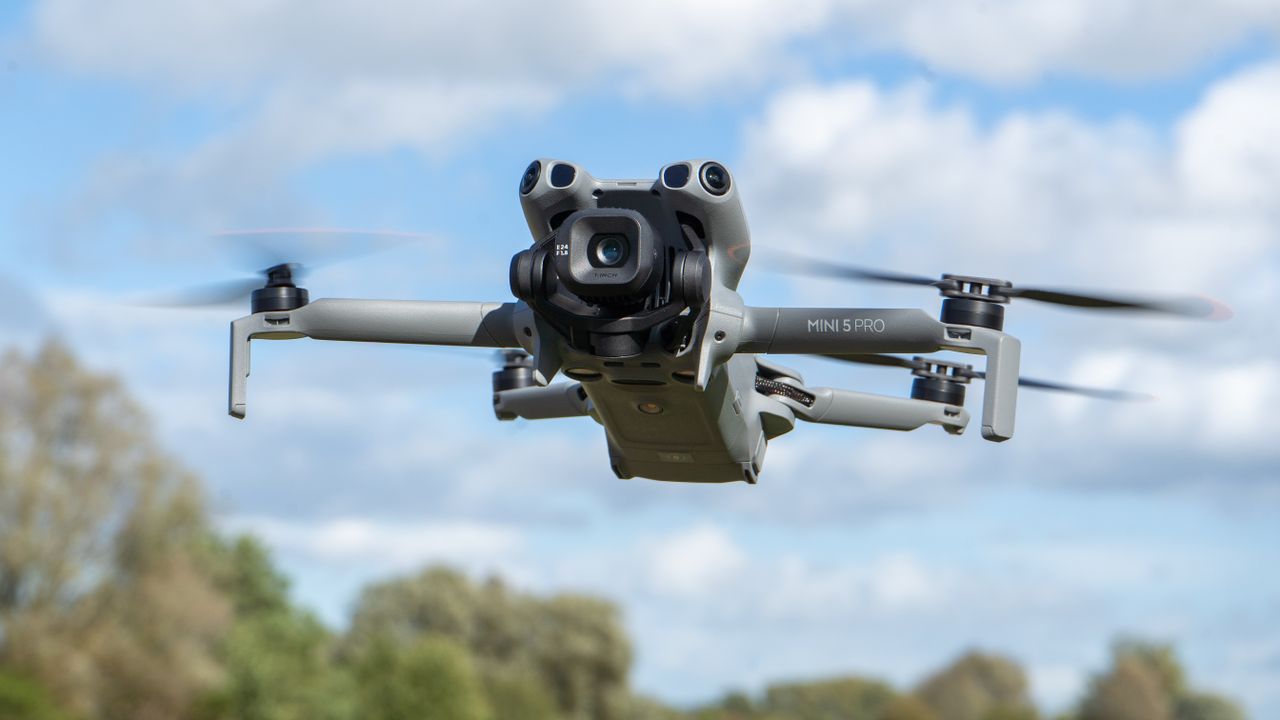
The recent announcement of new tariffs targeting drone imports has left American drone photographers feeling "sucker punched," as the combined effect of FCC restrictions and these tariffs threatens the already struggling aerial photography and videography industry. President Donald Trump's decision to impose these tariffs on August 13 will see prices for drones increase significantly, particularly for smaller drones designed for photo and video.
While larger military drones face a 100 percent tariff, smaller drones will be subject to a 25 percent tariff, with some regions enjoying lower rates like the 15 percent tariff on drones from the European Union, Japan, Liechtenstein, the Republic of Korea, Switzerland, and Taiwan.
The restrictions imposed by the FCC, which prevent newly launched foreign-made drones from entering the US, exacerbate the issue. This means that even the available drones in the US will now be subjected to higher import taxes. For instance, previously approved drones from DJI, including the DJI Air 3S, could see a 25 percent increase in import taxes.
This comes at a time when the FCC is considering revoking authorization for certain drones featuring LiDAR, a technology used in several popular consumer drones such as the DJI Mini 5 Pro and the DJI Avata 360. Public comment on this potential move is being sought until September 02.
The strategic goal behind these tariffs and restrictions is to bolster US drone production, as reliance on foreign-made drones is seen as a national security risk and a potential cybersecurity threat. However, the challenge for drone photographers and first responders remains significant. While US companies offer a range of drones for military, agricultural, inspection, and cinematic applications, such as Toyota's Skydio, there is currently a lack of consumer-grade drones from American manufacturers.
Moreover, the supply chain for drones often relies on heavily sourced components from overseas, including rare earth magnets for motors and lithium for batteries.
Written by urgent.news from Digital Camera World's reporting — not their text. Machine-written — may contain errors; check the original before relying on it.