Hormuz chaos highlights risks for other global trade chokepoints
The war in Iran has underscored how disruptions to a key shipping route thousands of miles away can have a material impact on American consumers.
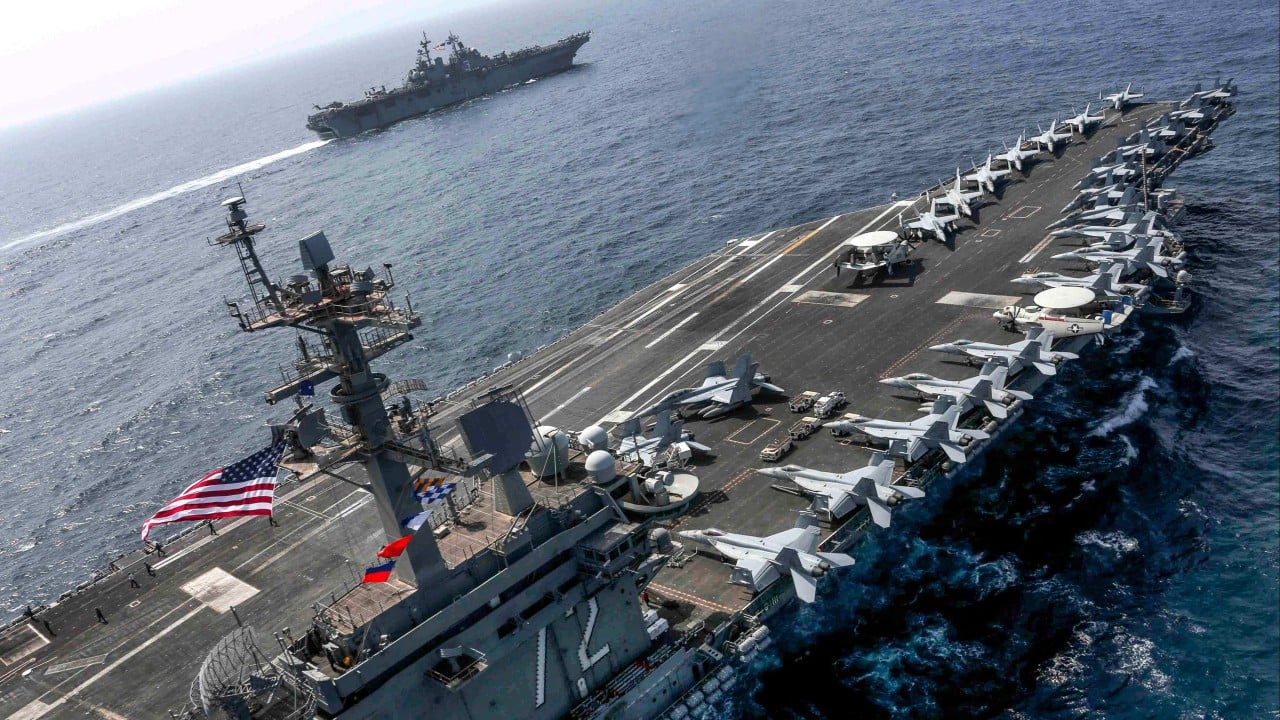
The Iran war has highlighted the risks posed by disruptions to key shipping routes, even those thousands of miles away. The conflict, now six months old, has hampered traffic through the Strait of Hormuz, a crucial artery for global energy shipments. This has led to soaring global oil prices and gasoline prices surpassing $4 per gallon, triggering broader inflationary pressures.
The U.S. and Iran have repeatedly attempted to negotiate a peace deal, but their rivalry for control of the Strait of Hormuz has derailed these efforts. This situation underscores how vital waterways can be leveraged during geopolitical conflicts.
A new Oxford Economics report identifies 26 major chokepoints with high trade volumes that could similarly jeopardize the economy if shipping were to cease. Of these, Asia hosts the densest concentration of critical chokepoints, including the Strait of Malacca, which separates Sumatra from Malaysia, and the Taiwan Strait, through which a quarter of global trade passes.
The Mediterranean Sea also plays a significant role, with around one-fifth of global trade flowing through the Strait of Gibraltar and the Suez Canal, an artificial waterway in Egypt. While the Panama Canal is less significant to global trade, it is still vital to the Americas, with about 40% of all U.S. container traffic passing through it annually.
The primary threats to global trade are geopolitical disruptions, as nations sometimes exploit chokepoints for political or geopolitical advantage. Climate change also poses a significant risk by causing more frequent and severe natural disasters. For instance, drought conditions and El Niño have lowered water levels in the Panama Canal, limiting the cargo capacity of ships.
The risk associated with each chokepoint hinges on the availability of alternative routes for rerouting traffic. The Strait of Hormuz, which transports a fifth of the global oil supply, is particularly vulnerable due to the lack of alternative pathways. In contrast, other chokepoints may have backup routes but can still face difficulties due to prolonged rerouting, leading to increased operational costs, supply-demand mismatches, and higher freight costs.
Written by urgent.news from CBS News's reporting — not their text. Machine-written — may contain errors; check the original before relying on it.