Govt remains committed to Balochistan’s flood-hit people
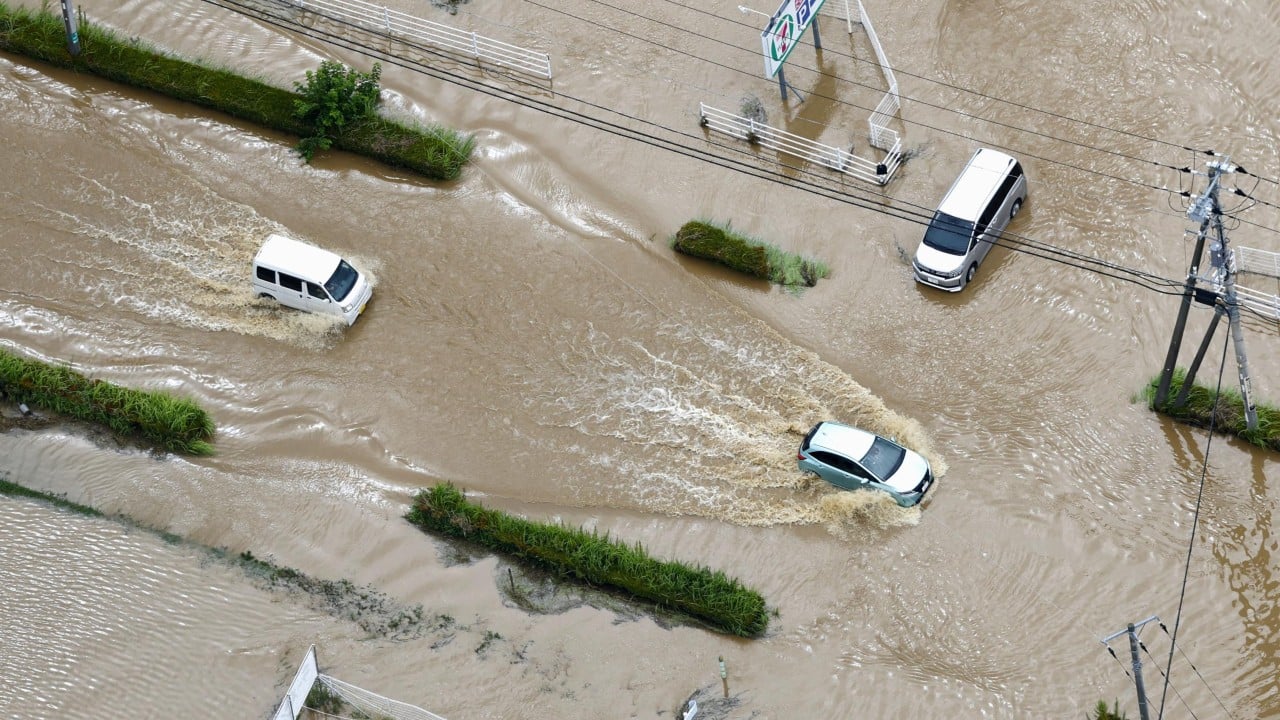
ISLAMABAD: The government remains committed to the rehabilitation of every eligible family affected by the devastating floods of 2022, the Ministry of Planning and Development has said. The commitment comes in the wake of reports that the provincial and federal governments had restructured a World Bank-funded flood rehabilitation project, depriving a large number of affected families in…
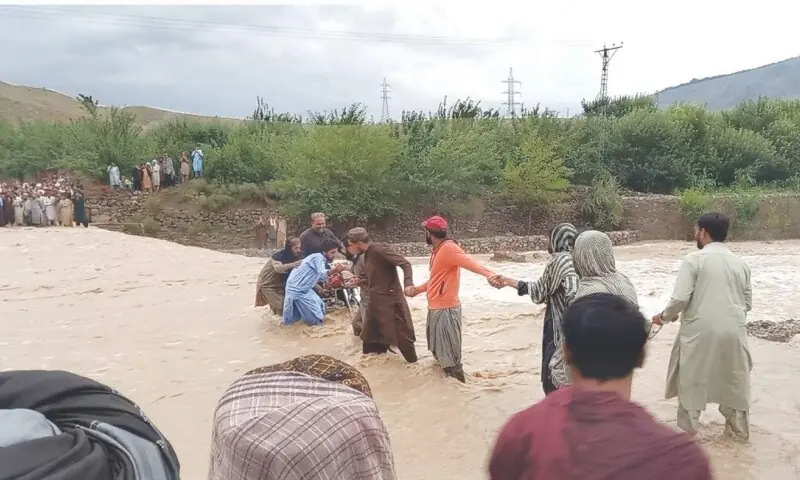
The government of Pakistan remains committed to assisting the flood-affected families in Balochistan, as stated by the Ministry of Planning and Development. This commitment follows reports that restructuring of a World Bank-funded flood rehabilitation project has deprived many eligible families of the promised resilient homes. The ministry confirmed that 68,992 houses in Balochistan were identified as eligible for reconstruction assistance under the Post-Disaster Needs Assessment (PDNA) and are entitled to the housing aid under the Integrated Flood Resilience and Adaptation Programme (IFRAP). Furthermore, 58,016 partially damaged houses are provided self-recovery support.
As of August 10, construction had begun on 74,988 houses, with 26,357 already completed under the project's owner-driven reconstruction model. The ministry clarified that IFRAP is a multi-sectoral recovery and resilience program, which means it aims to address more than just rebuilding houses. It also includes schools, healthcare, irrigation, roads, water, and livelihood opportunities for the affected communities.
The decision to redirect World Bank funding within Balochistan was made by the project steering committee led by Chief Minister Sarfraz Bugti and Planning Minister Ahsan Iqbal. The housing component of IFRAP, which is the most significantly funded, stands at approximately $161 million, exceeding the originally authorized cost of $155 million.
The ministry acknowledged concerns over project implementation and performance, hence an independent high-level inquiry was ordered by the Project Steering Committee. Its aim is to establish facts transparently, examine any shortcomings, and assign responsibility where appropriate. According to World Bank project documents, the dedicated Housing Reconstruction Unit identified 231,749 eligible beneficiaries and provided additional financing in 2025 to increase project funding to $161 million, supporting a total of 97,000 eligible beneficiaries.
However, the committee decided to cap housing support at the initial 62,966 beneficiaries approved in June 2026, while the housing subsidy support would remain capped at 97,000 beneficiaries. This decision leaves 119,049 eligible households without financing support, according to World Bank Country Director Bolormaa Amgaabazar, who expressed concern about the potential exacerbation of poverty in the provinces.
The exclusion of these households has led to 66,120 grievances being registered in the project grievance management system.
Written by urgent.news from Dawn - Pakistan's reporting — not their text. Machine-written — may contain errors; check the original before relying on it.