Fishers detonate a bomb every hour on one Indonesian coral reef
The use of explosives to kill fish is widespread across the tropics, and acoustic monitoring in an Indonesian archipelago detected more than 3500 explosions in 483 days
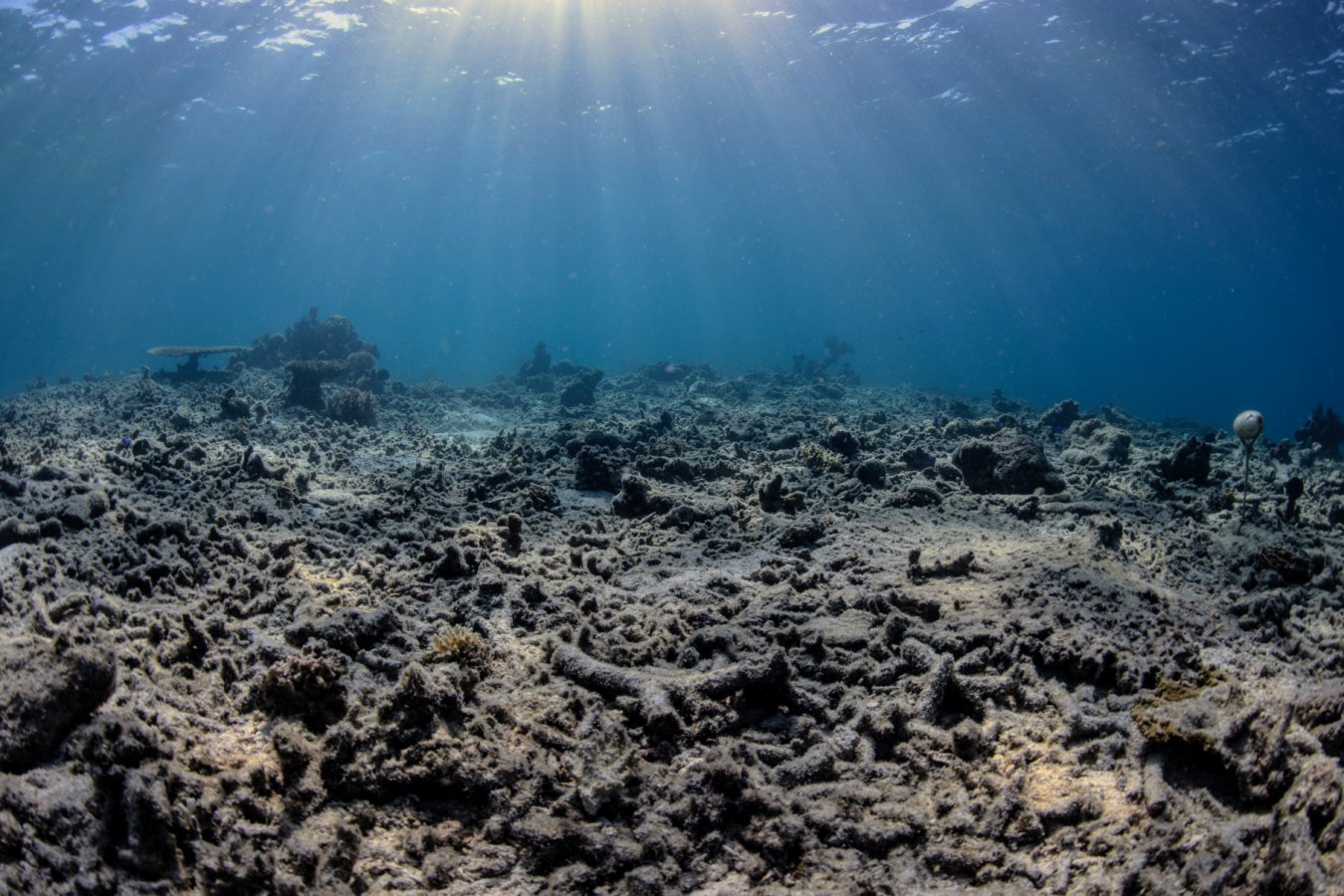
Every hour, fishers in a 17-kilometre radius near Sulawesi, Indonesia, blast their surroundings with explosives to catch fish. This practice, known as "bomb fishing," has been discovered in a biodiversity hotspot by researchers at University College London. Over a 483-day period from May 2023 to September 2024, the team installed an acoustic monitoring system 17 metres beneath the surface, which detected nearly 3,600 explosions, averaging over 23 per day.
The team used artificial intelligence to analyze 3,650 hours of audio data. Bomb fishing is a significant issue due to its illegal supply chain, often involving fertilizers, fuses, or detonators sourced from mining or military explosives. Enforcement at sea is sparse, making it challenging to curb the practice. Bomb fishing is not limited to Sulawesi; it is a global problem documented in 34 countries, including South America, the Mediterranean, East Africa, and South-East Asia.
However, experts believe that retraining locals in sustainable tourism and reef restoration could help combat the issue, and the researchers' acoustic method could assist in detecting and quantifying blast fishing, aiding enforcement efforts.
Written by urgent.news from New Scientist's reporting — not their text. Machine-written — may contain errors; check the original before relying on it.
This story
This is one outlet's version. Read the fullest account.
- Bomb fishing tracked sonically across Indonesian coral reefs dialogue.earth