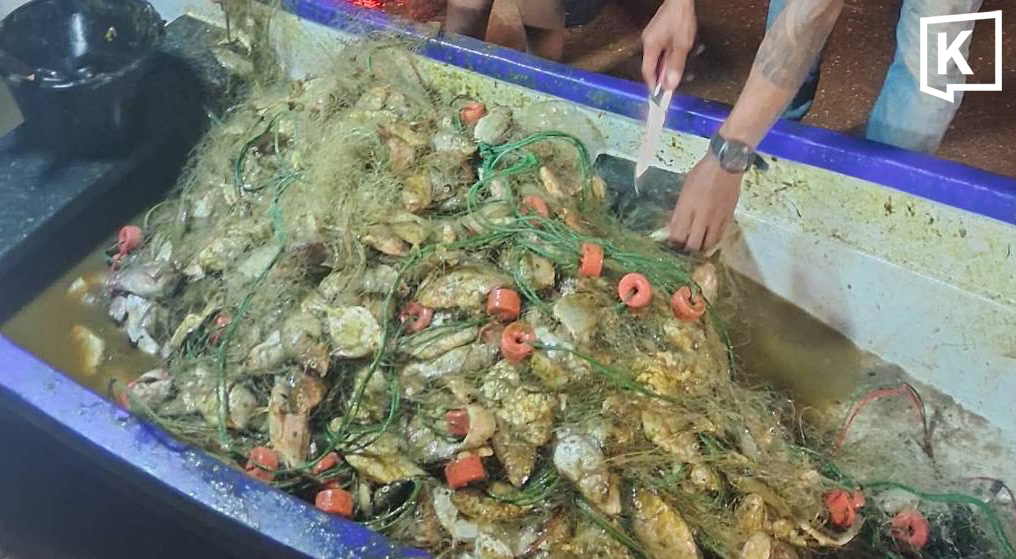
Bomb fishing tracked sonically across Indonesian coral reefs
Open-source technology could lead to low-cost surveillance systems in the battle against this devastating fishing practice The post Bomb fishing tracked sonically across Indonesian coral reefs appeared first on Dialogue Earth .
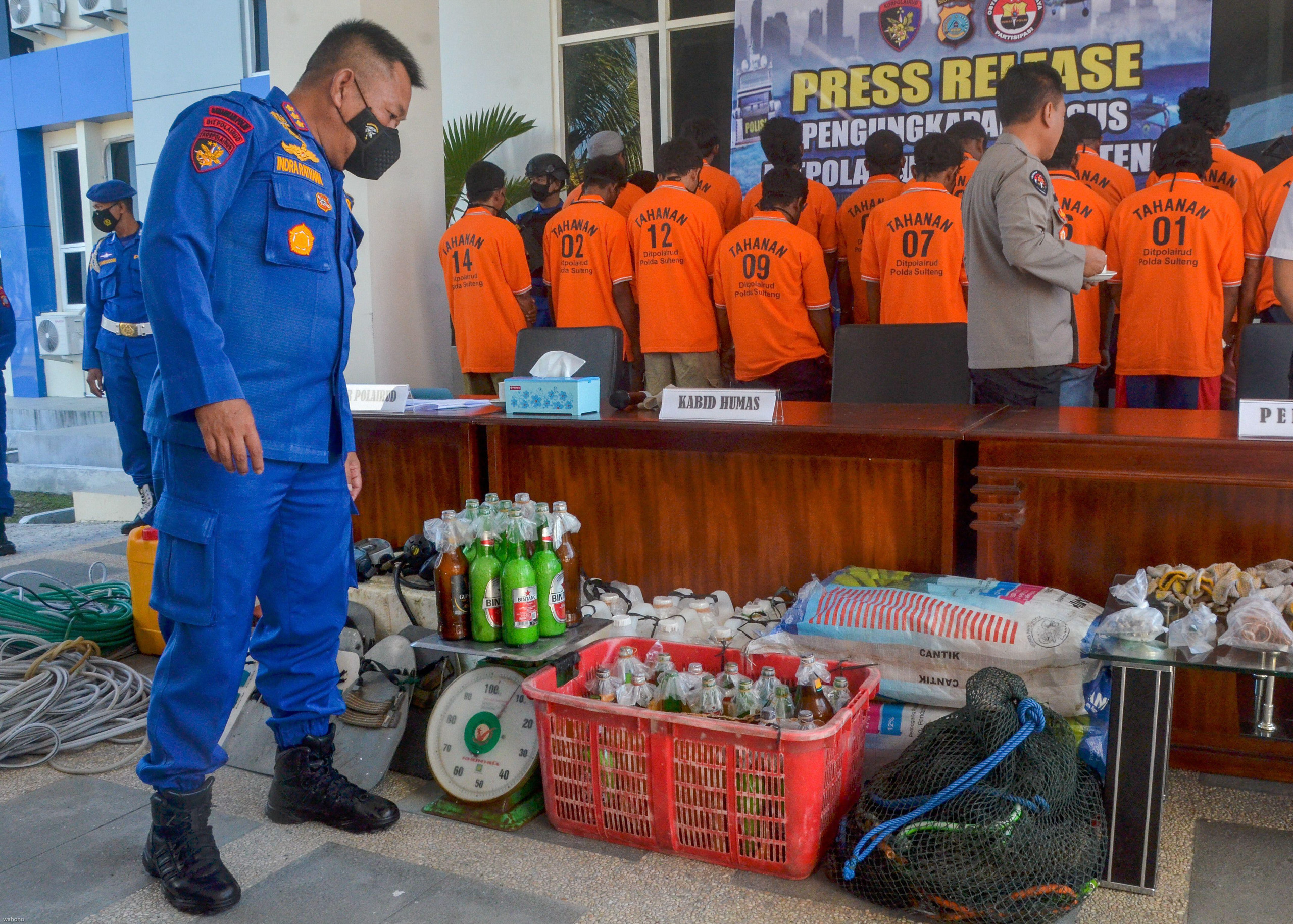
Coral reefs are teeming with the sounds of marine life, from purrs, whoops, and snaps to the rumble of explosives. Blast fishing, a destructive practice involving the tossing of homemade explosives into the sea, is a major threat to these fragile ecosystems. The Spermonde archipelago, located off the southwestern tip of Indonesia's Sulawesi island, is a hotspot for this activity.
However, the extent of blast fishing has been difficult to quantify until now. An international team tracked the phenomenon using sound data collected by a single underwater audio recorder. Utilizing machine learning, the researchers identified thousands of explosions within the data, providing tangible counts of blast fishing for the first time.
This practice, one of the most destructive fishing methods globally, can kill or stun everything within a 10-30 meter radius and destroy coral structures, hindering coral reef recovery. Despite being illegal since 1985, blast fishing continues to be a problem in Indonesia, with authorities struggling to enforce the ban due to the vast size of the country's ocean and the challenges of monitoring and prosecution.
Written by urgent.news from Dialogue Earth's reporting — not their text. Machine-written — may contain errors; check the original before relying on it.
Also reported by 1 other outlet
- Fishers detonate a bomb every hour on one Indonesian coral reef newscientist.com