Eventually, speed becomes the thing that slows you down': we spoke to an AI infrastructure expert about the accelerating data center race
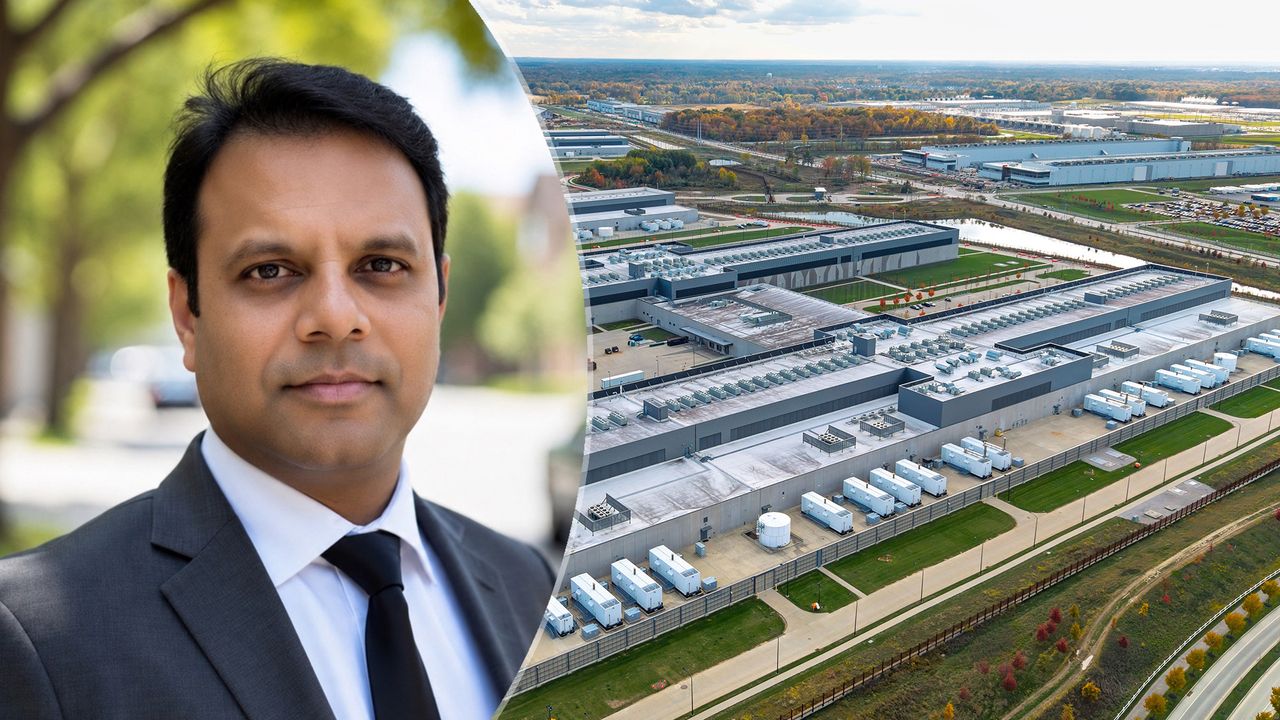
We spoke to Balaji Tammabattula, an AI infrastructure engineering expert and COO of BaRupOn, about the accelerated development of data centers.
The clash between companies seeking rapid AI data center development and communities or politicians opposing them is considerable. Industry giants like Microsoft, Meta, and Amazon Web Services (AWS) are pouring funds into expanding AI data centers across the nation. However, the environmental impact of fully operational data centers is significant, with fossil fuels powering them and the strain on power grids due to their computational demands.
Fortunately, some politicians and residents in towns hosting AI data centers are actively resisting these developments. Concerns are mounting, and a coalition of states is placing moratoriums on AI data centers. To gain further insight, we spoke with Balaji Tammabattula, an AI infrastructure engineering expert and COO of BaRupOn.
Tom’s Guide inquired about the inevitability of the growing backlash against data centers and what the AI industry might have overlooked. Balaji explained that this opposition was unavoidable because the industry was overly focused on the speed of building compute infrastructure without sufficient consideration for supporting systems.
When a large data center arrives in a community, requiring hundreds of megawatts of electricity, water, and infrastructure, people naturally question its implications for their locality. At LAMP in Texas, they have taken a different approach by developing dedicated behind-the-meter power generation to produce the necessary electricity rather than relying on existing community grid capacity. This same approach has been applied to water and public infrastructure.
Tammabattula highlighted the primary misconception of the data-center industry regarding local communities - they are not simply resistant to development. Instead, people want to understand the trade-offs. If a massive project is brought into their community, they wish to know how their electricity rates will be affected, whether the project will compete for their water resources, what impact it will have on emergency services and roads, and whether it will create job opportunities for local residents.
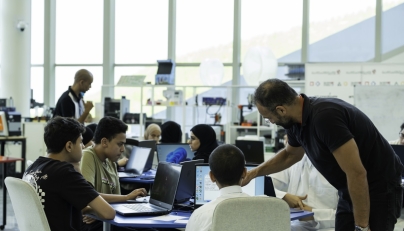
LAMP aims to address these concerns by designing the campus to produce its power and water, planning for rainwater harvesting, and investing in fire stations and emergency-response capabilities. Furthermore, they plan to support STEM education and local skills development, providing young people in the area with potential career opportunities in the industries the campus will bring.
When discussing the industry's misconceptions about local communities, Tammabattula emphasized that these communities are not merely resistant but genuinely seek a thorough understanding of the trade-offs. He stressed that the industry should change its development model. For instance, if a major AI campus were to enter a community with its own power-generation, water-management strategies, investment in emergency services, and workforce development, the conversation would be vastly different from simply requesting hundreds of megawatts of electricity and expecting the community to absorb the consequences.
Written by urgent.news from Tom's Guide's reporting — not their text. Machine-written — may contain errors; check the original before relying on it.