Eco wins: A Dutch lab for crops, a climate-ready city, and a beaver comeback
Dutch crops hit the "climate gym," a German city is preparing for more extreme weather, and beavers are restoring rivers across Europe. This week's eco wins are all about building and adapting to a changing climate.
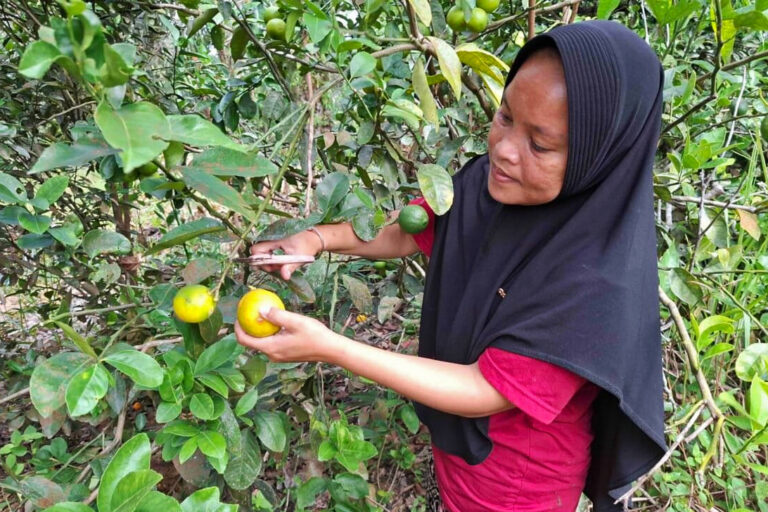
In the Netherlands, a global leader in agricultural exports, scientists are utilizing cutting-edge technology and vast amounts of data to determine which crops will withstand the challenges posed by a changing climate. Meanwhile, in Kiel, Germany, the aftermath of a devastating storm surge in 2023 has prompted officials to reconsider infrastructure to better handle the increasing frequency and intensity of extreme weather events caused by human-induced climate change.
The city is exploring innovative solutions such as cool city corridors, green facades, temporary floodable soccer pitches, and adjusted schedules during heatwaves. In Egypt, wildlife photographers are captivated by the opportunity to capture images of sea turtles, which possess distinct facial patterns akin to human fingerprints.
These unique identifiers aid researchers in tracking individual turtles and monitoring any injuries sustained. Beavers, once on the brink of extinction due to their fur, meat, and scent glands, have made a remarkable comeback across Europe. Through extensive rewilding efforts, their population has surged from around 1,500 individuals in 1900 to an estimated 1.5 million today.
As natural engineers, beavers construct dams that not only purify water by filtering pollutants but also mitigate the effects of flooding, wildfires, and droughts by replenishing underground aquifers. Moreover, their work is revitalizing wetlands and rivers, ranging from Spain to Russia.
Written by urgent.news from DW English (Top Stories)'s reporting — not their text. Machine-written — may contain errors; check the original before relying on it.
This story
This is one outlet's version. Read the fullest account.