Deflating the wind in the willows
Kashmir’s famed ₹700-crore bat-making industry supports at least 50,000 livelihoods. Since 2021, its bats have made their way to cricket grounds around the world, with 47 international players using Kashmir willow bats in major tournaments. But a shortage of willow, climate change, and smuggling are putting the industry under pressure. Peerzada Ashiq reports on its rise and the challenges…
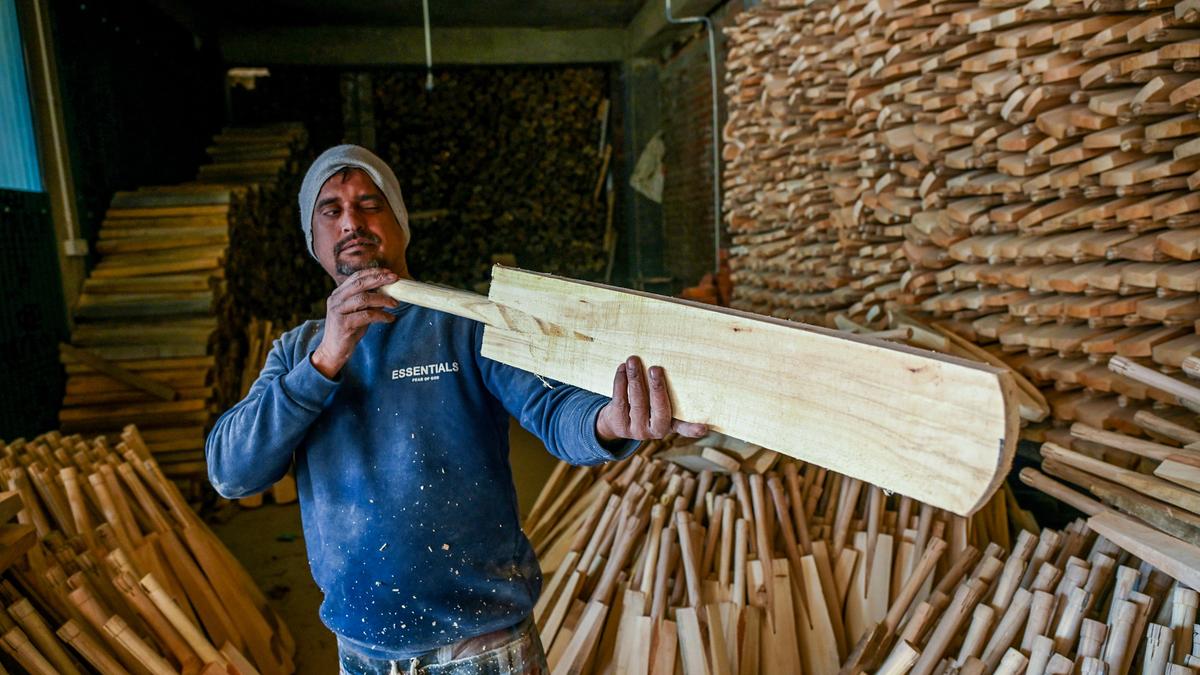
Halmulla, a district in south Kashmir, is home to a thriving cricket bat industry that produces willow-based bats used by players worldwide. Founder of GR8 Sports, Fawzul Kabiir, inspects neatly stacked English willow clefts in his bat factory. Kabiir explains that different types of bats are crafted for various cricket formats, with each player having their own preferences.
The bats are made to withstand wallops and dents, with seasons playing a crucial role in maintaining their quality. Kabiir's factory allows willow clefts to be exposed to rain, snow, and sun to achieve the perfect "sweet spot" for international cricket standards.
Kashmir has 195 registered bat manufacturers and around 150 cleft dealers, contributing significantly to the international cricket scene. The bats are famous for their craftsmanship and have gained recognition in 2021 when the International Cricket Council (ICC) certified a Kashmir-based bat-making company. This certification led to a contract with the Oman Cricket Board to supply bats.
However, the industry faces challenges such as a shortage of raw material, changing climate conditions, and smuggling. Willow, a deciduous tree native to Europe and western Asia, was introduced to Kashmir during British rule in 1895. The English willow trees are harvested after 12-15 years of growth, and the wood is then dried, pressed, and shaped into sturdy cricket bats.
Kabiir states that Kashmir willow bats have been used by 47 international players, including those from India, Pakistan, Bangladesh, and the West Indies. The bats are known for their lighter weight, balance, and unique ping, making them appealing to players worldwide. The bats are also more affordable compared to those produced in England, with prices ranging from ₹300 to ₹20,000.
Despite the industry's growth, it struggles to meet both domestic and international demands, with the price of English willow increasing from ₹300 per foot in 2021 to ₹1,250. The Jammu and Kashmir government aims to support the bat industry by addressing the declining availability of quality willow timber.
Written by urgent.news from The Hindu's reporting — not their text. Machine-written — may contain errors; check the original before relying on it.