Cleaning vinegar vs white vinegar: Why you need to know the difference (and what to avoid)
Are you using the right vinegar to clean your home? Experts share the difference between cleaning vinegar and white vinegar.
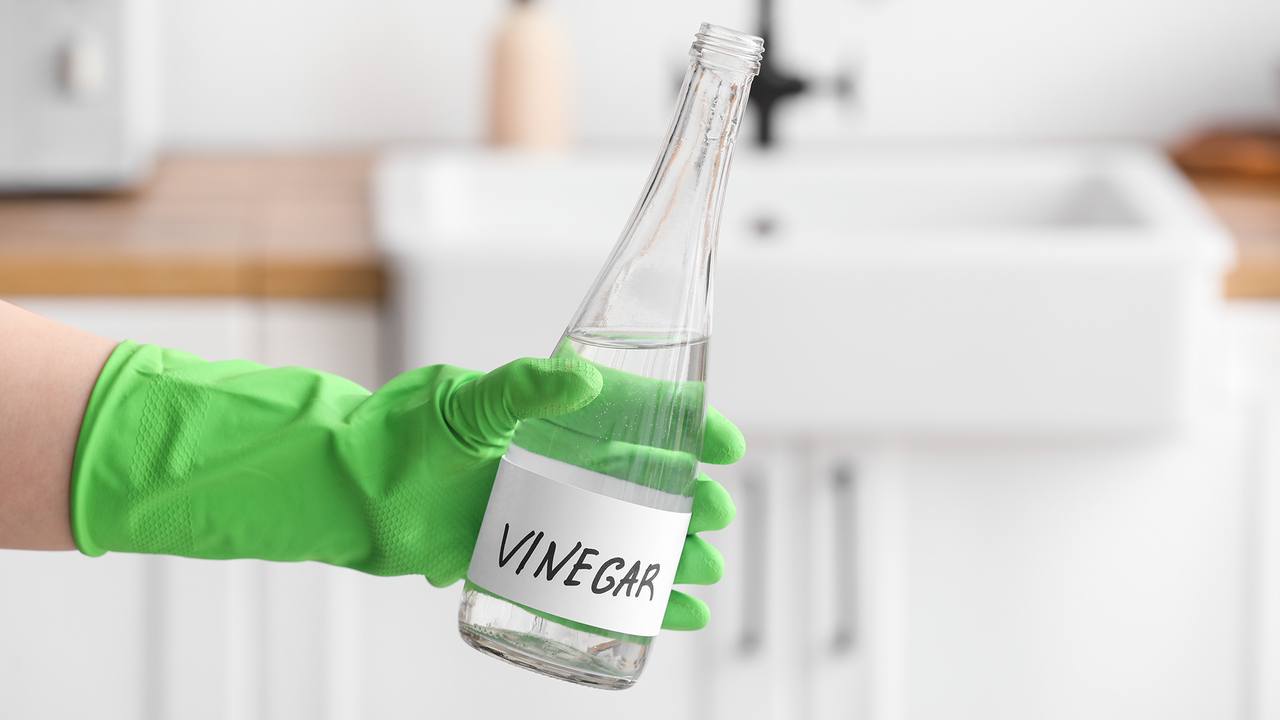
Vinegar is a widely used cleaning product that can be found in various applications, from cleaning windows to killing weeds in the garden. However, it is easy to confuse different types of vinegar, leading to potential misuse. Two common types are cleaning vinegar and white distilled vinegar. Sara Aparacio, a cleaning expert, explains that cleaning vinegar is a stronger acidic vinegar than white vinegar, with around 6% acetic acid compared to 5% in white vinegar.
The 1% difference may seem insignificant, but it results in a 20% increase in concentration, making cleaning vinegar more potent.
While white vinegar is often suitable for pickling, cleaning vinegar is not meant for consumption. It contains impurities and additives that make it unsafe for food preparation. Using cleaning vinegar in the pantry may lead to accidental ingestion, which could result in health complications. Moreover, cleaning vinegar should never be mixed with bleach, as the chemical reaction releases a toxic gas that can harm the lungs, eyes, and throat.
Both cleaning vinegar and white distilled vinegar can be used for cleaning, but they have different cleaning powers. Cleaning vinegar is more effective at removing grease, soap scum, and mold, while white vinegar is better for regular cleaning tasks, such as cleaning glass, counters, and other surfaces. White vinegar can also be used to remove odors and as a laundry softener. However, it is gentler than cleaning vinegar, making it safer for delicate surfaces like tile grout and plastic.
When using vinegar, it is essential to take safety precautions, especially when using cleaning vinegar. Wear gloves and long sleeves to protect your skin from chemical burns, and ensure proper ventilation in the room. Remember to label and store cleaning vinegar separately from other vinegars to prevent accidental consumption or mixing with bleach.
While cleaning vinegar can be used on various household surfaces, it should be avoided on natural stone, grout, cast iron, unpainted wood, rubber, and electrical surfaces, as the acid can cause corrosion and damage. Distilled vinegar is a safer alternative for these materials. Additionally, distilled vinegar is more suitable for everyday cleaning tasks, such as cleaning kitchen counters and removing odors, and it is gentler on delicate surfaces like tile grout and plastic.
It can also be used as a laundry softener and to remove certain stains on clothing, but its effectiveness may be limited on greasy, oily, or heat-set stains. Lastly, distilled vinegar is safe to use around pets, making it a better choice for neutralizing odors in their play areas.
Written by urgent.news from Tom's Guide's reporting — not their text. Machine-written — may contain errors; check the original before relying on it.