Can 'Ferritin Face' Signal Underlying Anemia? Hematologists Weigh In
(MedPage Today) -- Welcome to Culture Clinic, MedPage Today's collaboration with Northwell Health to offer a healthcare professional's take on the latest viral medical topics. "Ferritin face" is one of the latest terms circulating on social media...
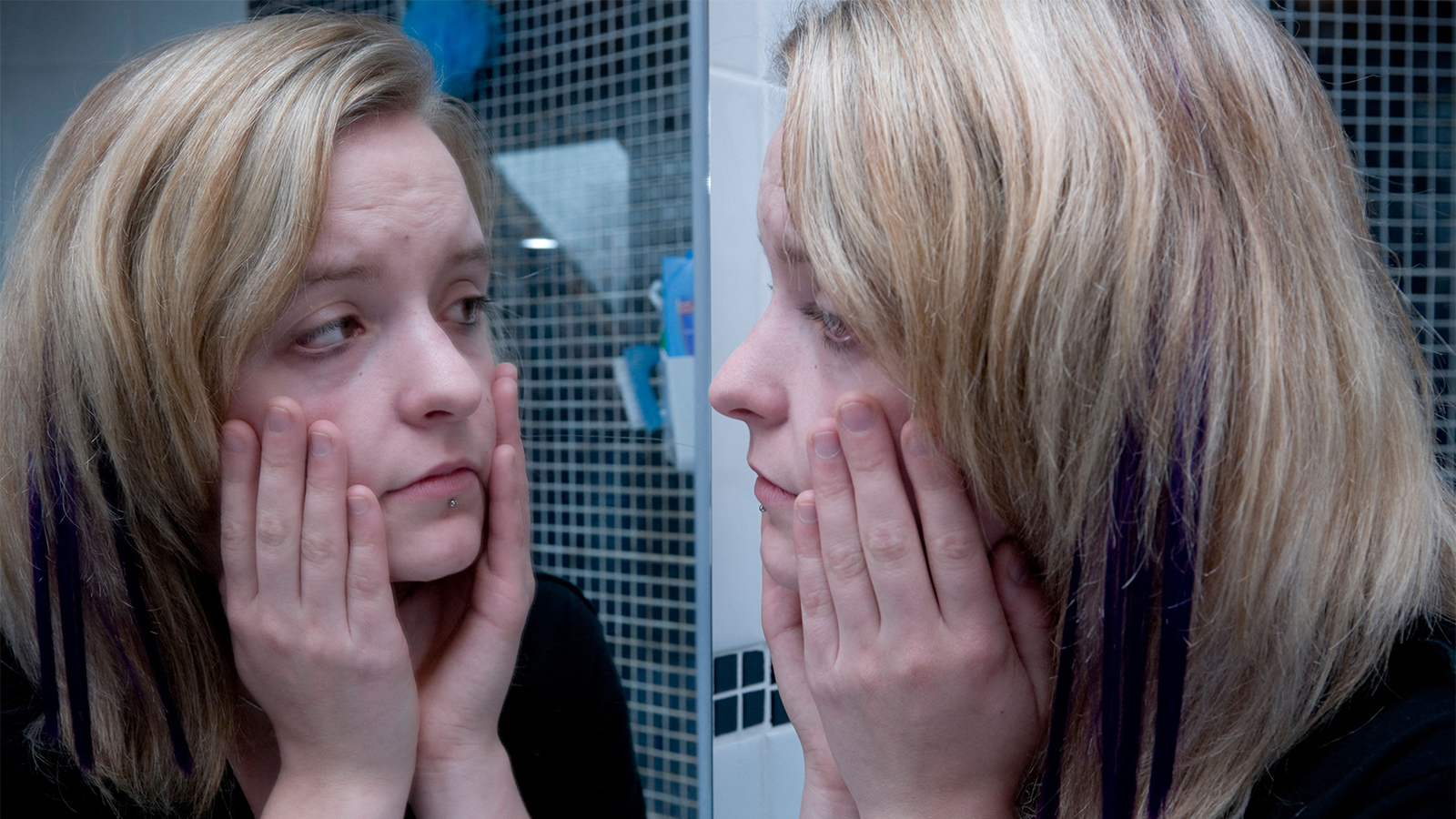
A new term circulating on social media, "ferritin face," refers to a set of features that may give visual clues to underlying health issues like anemia. Social media users share photos of symptoms such as pale skin, dark circles under the eyes, and brittle hair and nails, attributing them to low ferritin or iron deficiency. Experts advise that while not diagnostic, these visual signs can indeed offer clues about underlying deficiencies.
Anna Komorowski, MD, a hematologist at Northwell Health, clarifies that "ferritin face" isn't an officially recognized medical term, although the concept that low iron stores can affect one's appearance is well established. Ferritin is a protein found in nearly every cell, primarily produced in the liver. Low ferritin levels indicate a lack of iron storage in the body, leading to insufficient iron for various bodily functions.
The ideal ferritin level ranges between 30 and 300 ng/mL. Women with heavy menstrual periods often experience iron deficiency, which may resolve after menopause. Consuming iron-rich foods like red meats, spinach, legumes, and fortified cereals can help boost levels. Anna Komorowski also notes that iron deficiency reduces hemoglobin, the iron-containing protein in red blood cells, resulting in fewer and paler red blood cells and a washed-out skin appearance. The thin skin under the eyes allows for more noticeable color changes.
Besides pallor, other classic signs of iron deficiency include hair thinning, brittle nails, fatigue, palpitations, shortness of breath, restless leg syndrome, and a craving for ice. While these symptoms are not definitive proof of iron deficiency, they warrant a visit to a doctor for blood work. If deficiency is confirmed, oral or intravenous iron supplementation can improve both blood tests and the visual signs associated with ferritin face within a few weeks.
Experts caution against self-diagnosis and emphasize the importance of consulting a healthcare provider for accurate diagnosis and treatment.
Written by urgent.news from MedPage Today's reporting — not their text. Machine-written — may contain errors; check the original before relying on it.