Beyond Trending: What is alliance?
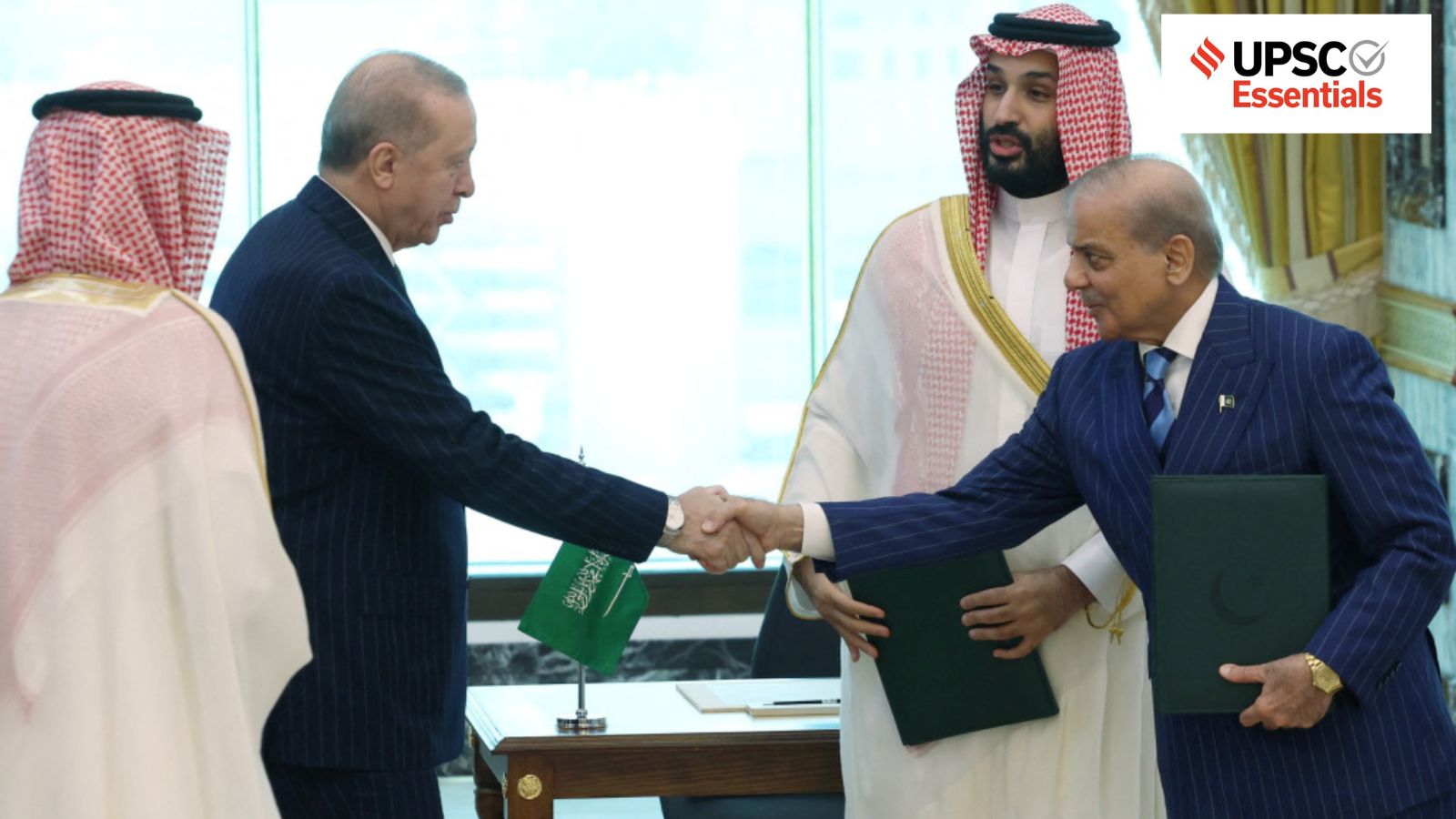
The Mecca Joint Defence Agreement, signed by Saudi Arabia, Turkey, and Pakistan in August 2023, has ignited discussions about the evolving security landscape in the West Asian region. While the specifics of the agreement remain undisclosed, its primary aim is to "strengthen collective deterrence against any act of aggression" and to consider any armed attack against one of the three signatory states as an attack on all of them. This stance reflects a fundamental principle of alliance-building.
But what is an alliance? Alliances can be formal or informal agreements between two or more sovereign states aimed at bolstering their collective security and safeguarding themselves against a common perceived threat. Formal alliances are established by signing a treaty, while informal alliances involve various forms of cooperation, such as joint military exercises, sharing strategic information, and commitments to assist during a military crisis.
The German-Soviet Nonaggression Pact of 1939, also known as the Molotov-Ribbentrop Pact, is an example of a secret alliance.
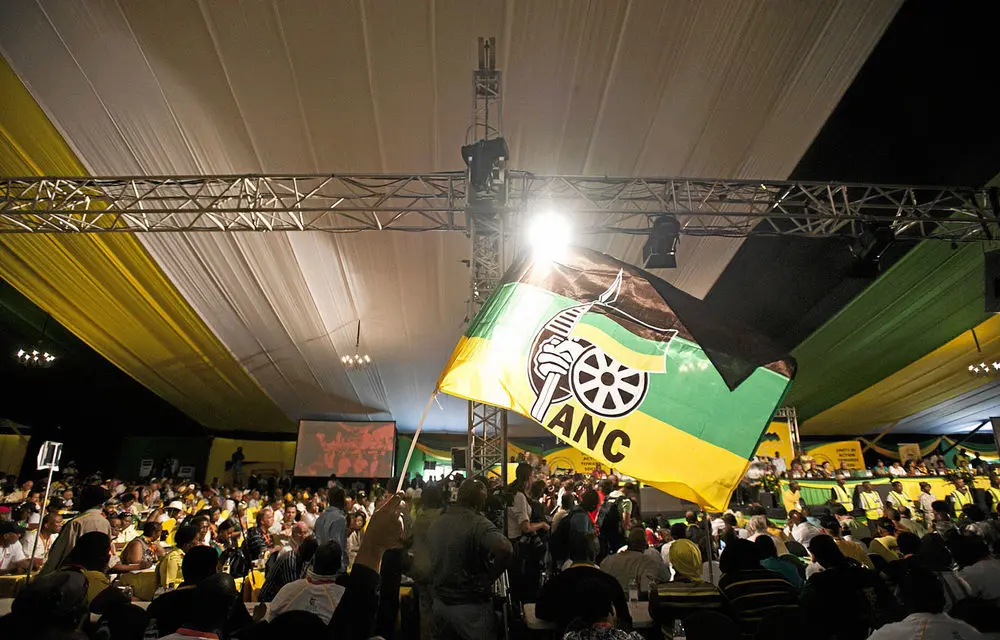
Alliances can be defensive or offensive. Realist theory posits that alliances serve as a crucial instrument of external balancing within the anarchic international system. Scholars such as Hans Morgenthau and Kenneth Waltz have emphasized how alliance formation is a key strategy for states to pursue a balance of power. Walt's "balance of threat" theory further explicates this, suggesting that states form alliances based on factors such as power, geographic proximity, offensive capabilities, and perceived intentions.
Alliances offer strategic and military advantages to their members, including the offsetting of defence costs, economic benefits from increased trade and aid, and the acquisition of strategic locations. However, alliances can also lead to conflicts and trigger an arms race. Moreover, shifts in national interests, leadership, and ideologies may prompt states to reassess their alliances.
The Mecca Joint Defence Agreement, formed amidst the US-Israel war on Iran, demonstrates how states seek to enhance their security through alliances against perceived threats in the changing regional security environment.
Written by urgent.news from The Indian Express's reporting — not their text. Machine-written — may contain errors; check the original before relying on it.