Before We Are Erased: Why I Founded Gaza Publications During the Genocide
During the early days of the genocide, I was in the city of Rafah, displaced, sleeping under a roof that I didn’t know would still be there by morning. Shells were falling around the building where I had taken refuge
During the onset of the genocide, I found myself in Rafah, homeless and huddled under an uncertain roof. Shells rained down on the shelter where I and my family took refuge, and each night, the threat of our demise loomed. Yet, what terrified me more than death was the thought of dying without my writings ever reaching the world.
My story, my memories, my very existence would vanish, and history would erase my humanity. The difference between death and erasure is profound. Death is the end of a life; erasure seeks to obliterate all proof of a person's existence, thoughts, and experiences. I began to ponder: how could this experience endure if it wasn't documented?
Who would bear witness to the voices of those living through this horror? How could we preserve the human aspect of a conflict that seeks to dehumanize? This led to the inception of Gaza Publications, a small endeavor to safeguard our legacy amidst the chaos. It wasn't a grand plan, but rather a desperate attempt to anchor something in the face of impending destruction.
We didn't possess a printing press within Gaza, and the working conditions were implausible. I decided that the printing would occur outside the Strip, but the creation process would begin within. A diverse team—editor, proofreader, designer, marketing manager, and a printer—came together, united by a shared belief in preserving our story.
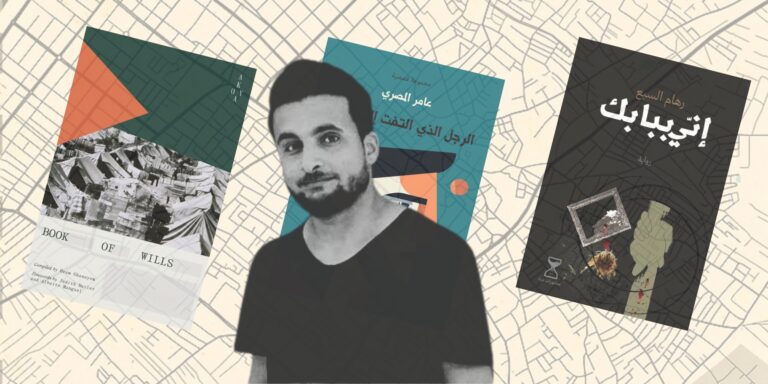
With limited resources, we crafted a simple logo, established social media pages, and sought out books that encapsulated the Palestinian experience during this pivotal moment. The logo itself was inspired by our understanding of time: the hourglass, but with a twist. Instead of the sands of time slipping away, we placed a stopper in the middle, ensuring they remained in place—a symbol of our yearning for continuity in the midst of annihilation.
In Gaza, time ceased to march according to the world's rhythm. Work, study, social gatherings—all came to a halt. We were trapped in a single moment: always under threat, always waiting, always striving to survive. But this immobility did not signify the end of humanity. The hourglass reminded us that even in the darkest of times, humans possess the ability to create meaning.
Writing became a means to ensure that fleeting moments endure, even when the world remains silent. Our first publication, "The Man Who Looked Back" by Amer al-Masri, was not solely about the bombings; it explored the inner life that persists beneath the chaos, the fear that gnaws at families and sleeps within them, and the individuals striving to maintain their sense of self amidst overwhelming destruction.
Writing in the face of danger? Why do people turn to writing when every moment is a gamble with death? On the day the book was published, I received heart-wrenching news: my cousin's daughter and her children perished in a bombing, their home crumbling upon them. In that moment, I grappled with two conflicting emotions—joy at the book's dissemination and sorrow for the lives snuffed out in the same instant.
I realized that this publication was not separate from the death that enveloped us; it was an integral part of the struggle to ensure that lives do not fade away unnoticed. The question that persisted as I continued my work was: Why write in a moment of danger? Why do people resort to writing when every second is a precarious gamble with death?
Written by urgent.news from Literary Hub's reporting — not their text. Machine-written — may contain errors; check the original before relying on it.