At least 7 killed in India after hydropower project tunnel collapses
A tunnel under construction at a hydropower project in India’s northern hill state of Uttarakhand collapsed overnight, leaving at least seven workers dead, officials said on Friday. A rescue operation was launched after a sudden rush of water and debris entered the tunnel at the Vishnugad-Pipalkoti hydroelectric project in Chamoli district later on Thursday night, said top district official…
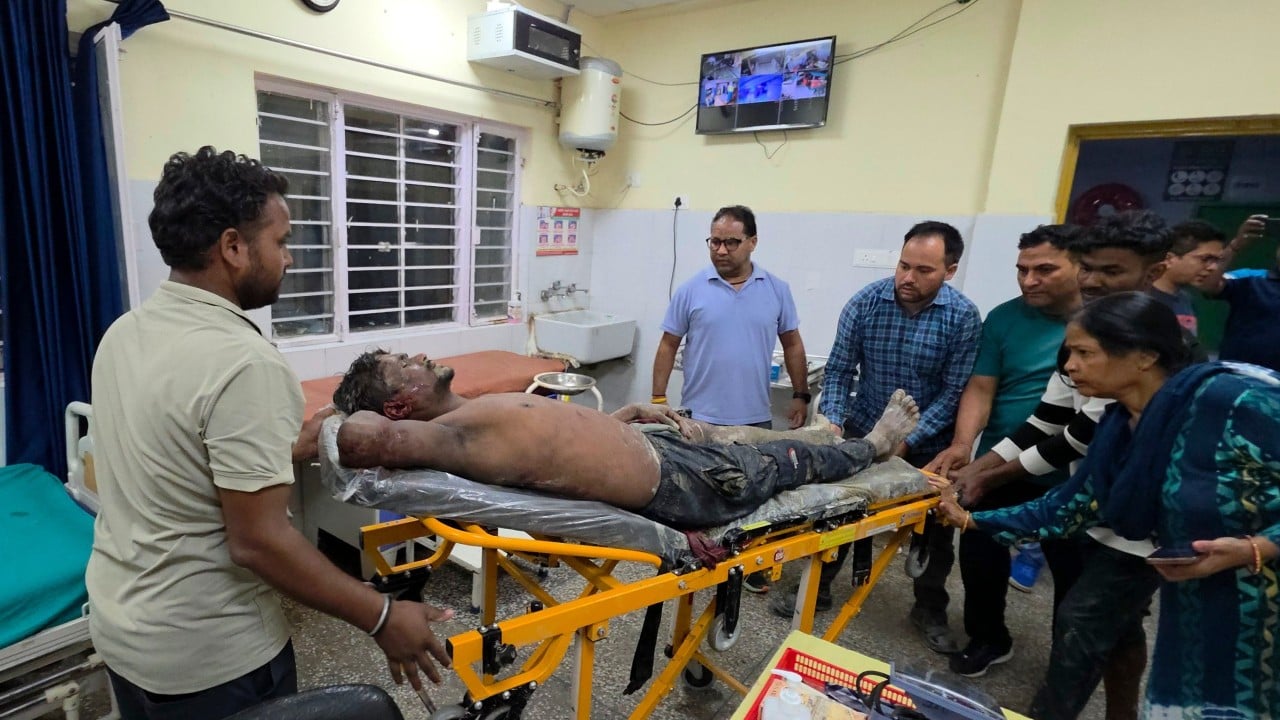
A tunnel at a hydropower project in northern India's Uttarakhand collapsed overnight, resulting in at least seven worker fatalities, officials reported on Friday. The Vishnugad-Pipalkoti hydroelectric project in Chamoli district experienced a sudden surge of water and debris entering the tunnel on Thursday night, triggering a rescue operation.
Of the 22 individuals working inside the tunnel, 12 were successfully rescued alive, while three remain missing. Chief Minister of Uttarakhand, Pushkar Singh Dhami, informed reporters of the situation. Rescue teams from the national and state Disaster Response Force, Indo-Tibetan Border Police, and fire services are grappling with rising water and debris as they search for the remaining workers.
The commander of the National Disaster Response Force team, Amrit Lal Meena, noted that upon reaching the site, the team encountered a significant amount of water inside the tunnel, with water also seeping from the sides. The water level has since risen considerably. Construction accidents are prevalent in India, where rapid infrastructure development often intersects with vulnerable geology, construction errors, extreme weather, and lax safety standards.
In the Himalayan region, the fragile mountains, seismic activity, and unpredictable underground conditions render tunnel projects particularly hazardous. A coal mine explosion in neighboring Meghalaya claimed the lives of at least 18 workers in February. In 2023, a tunnel section in northern Uttarakhand collapsed, trapping 41 workers for 17 days before their successful rescue.
Written by urgent.news from South China Morning Post's reporting — not their text. Machine-written — may contain errors; check the original before relying on it.