Afghan women tell the BBC their lives are unrecognisable after five years of Taliban rule
Women across the country speak of public floggings, losing their jobs, and barriers to healthcare that endanger lives.
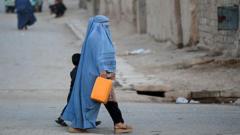
Five years after the Taliban seized control of Afghanistan, women and girls have described their lives as unrecognisable under the regime, according to the BBC. Since regaining power in 2021, the hard-line Islamist group has been eroding women's rights in the country. The BBC has been one of the few media organisations able to maintain access in Afghanistan since the takeover, speaking to women across the country from Kabul to the countryside.
They have witnessed the Taliban's restrictions on girls over 12 accessing school, travel without a male chaperone, and legal approval for child marriage. The Taliban's foreign minister stated that while women are not completely restricted, the restrictions impact nearly every aspect of their lives, making it difficult to share their stories.
Many women have chosen to use pseudonyms due to fear of reprisals. With survival becoming the top priority, many have abandoned their education and future aspirations. Afghanistan remains the sole country in the world where girls are officially prohibited from secondary and higher education. For Shakiba, the day the Taliban took power on August 15, 2021, remains emotionally charged, as she felt her dreams of becoming a pilot vanish.
Despite finishing her secondary education online, Shakiba's aspiration to become a pilot feels unattainable. The Taliban has also resumed public corporal punishments, with hundreds of people flogged since 2021, though the actual number is likely higher. Shaima endured 50 lashes, leading to emotional trauma and fear among her family, especially her daughter.
Manizha, who faced public lashing for her friendship with a man, now lives in fear of her family reporting her. The Taliban's restrictive policies have exacerbated Afghanistan's already dire maternal mortality rates, with many women unable to access healthcare due to restrictions on male doctors.
Written by urgent.news from BBC News's reporting — not their text. Machine-written — may contain errors; check the original before relying on it.
Also reported by 3 other outlets
- 'Suffocating restrictions' shadow five years of Taliban rule in Afghanistan france24.com
- Afghan women tell the BBC their lives are unrecognisable after five years of Taliban rule bbc.co.uk
- Suffocating restrictions and a humanitarian crisis: Taliban marks five years in power in Afghanistan hindustantimes.com