80 years on, still enemy No. 1: What Indians and Pakistanis think of each other
A recent survey by Pew highlights that Indians and Pakistanis regard each other as their principal geopolitical adversaries. Unfavorable opinions dominate across the border, with India marking Pakistan as the major threat while Pakistan responds in kind. There is a notable distrust regarding the other’s dedication to peaceful relations, amplified by contrasting global alliances influencing each…
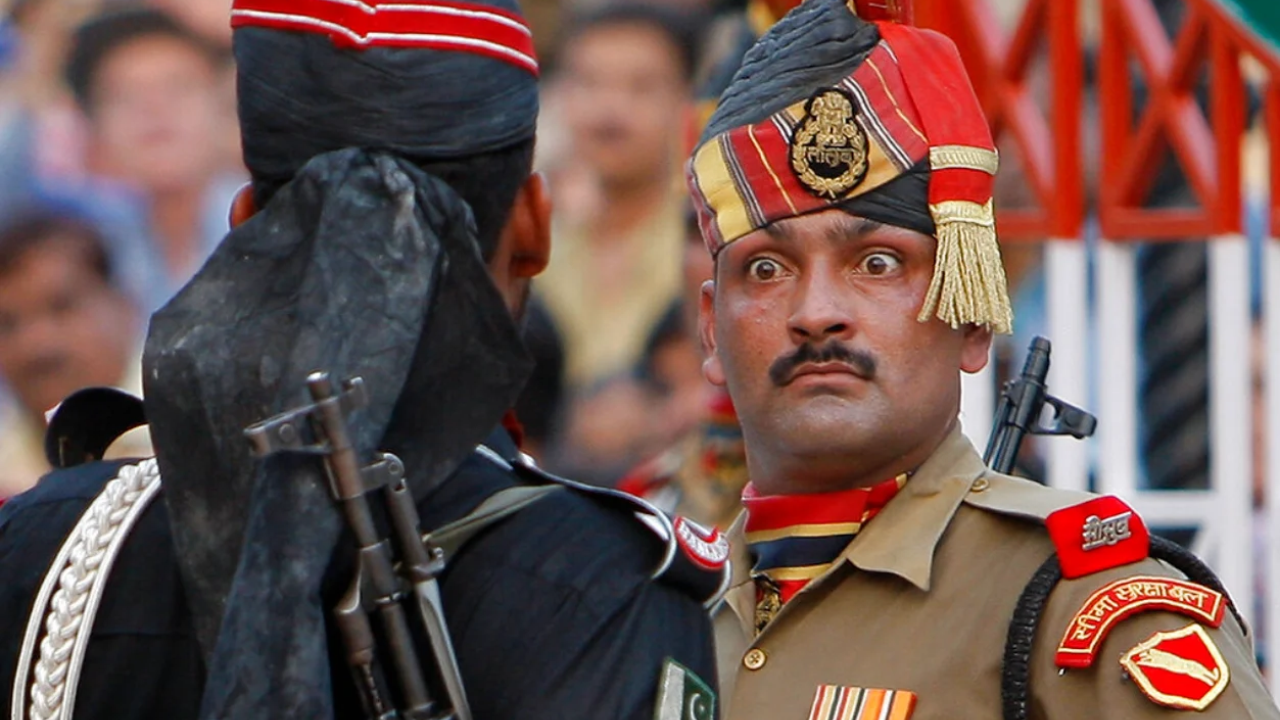
Eighty years following the 1947 partition of British India into two independent nations, India and Pakistan still hold each other in high regard as their greatest geopolitical adversary. This enduring mutual animosity, as revealed by a Pew Research Center survey conducted across South Asia between February and May 2026, appears to be deeply embedded in the populations' perceptions and unlikely to shift anytime soon.
A majority of Indians (54%) and Pakistanis (43%) each identified the other nation as their primary security threat. Chinese and Israeli concerns were less salient, with 21% of Indians and 24% of Pakistanis naming each as major threats. However, these threat perceptions are closely tied to each nation's confidence in the other's commitment to peace.
While many Indians believe their own government and people are committed to fostering good bilateral relations, the same cannot be said for Pakistanis, who view their government and people as less than cooperative.
The mutual hostility transcends demographic boundaries, with hostility toward India being pervasive across Pakistani society. In India, the sentiment is equally unfavourable, with 78% of Indians holding a negative view of Pakistan. Notably, Indian Muslims are somewhat more receptive to their neighbour (21%) than Hindu Indians (6%), and are also less likely to deem Pakistan the top threat (34% vs. 57% among Hindus).
This mutual mistrust appears to extend beyond bilateral relations and into perceptions of the other side's intentions. Indians and Pakistanis tend to trust their own governments and populations' commitment to peace, while doubting the motivations of the other side. For instance, a majority of Indians believe both the Indian government and people are committed to maintaining good relations with Pakistan, whereas a majority of Pakistanis reject this assessment, asserting that their government and people are not similarly committed.
Interestingly, the survey reveals that Bangladesh and Sri Lanka hold predominantly positive views of India and Pakistan, respectively. Sri Lankans are overwhelmingly positive toward India (79%) and view Pakistan favorably in roughly two-thirds of cases. Similarly, Bangladeshis hold a more favorable view of India (42%) than Pakistan (8%). In comparison, only a quarter of Indians view Pakistan positively.
India holds the most varied perceptions among the surveyed nations, with Sri Lanka being the most positive, followed by Bangladesh and Pakistan. This relative outlier status of Sri Lanka suggests it could potentially serve as a bridge between the two nuclear-armed rivals. However, India remains the greatest threat to Pakistan, while Pakistan views India as its single greatest geopolitical adversary.
Written by urgent.news from Times of India's reporting — not their text. Machine-written — may contain errors; check the original before relying on it.