Zukunftsgestalter: Dieses Unternehmen machte aus 43 Marken genau eine
Der Stiftungskonzern Körber stieß 70 Prozent seines Umsatzes ab – und verdreifachte ihn danach. Wie schaffte Vorstandschef Stephan Seifert den Umbau, den viele Konkurrenten scheuen?
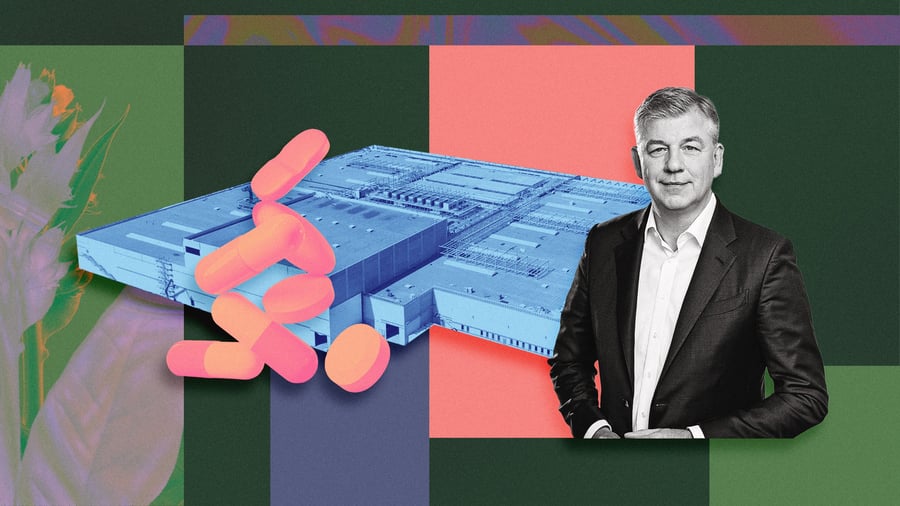
Stephan Seifert, the CEO of Körber, stands behind a large photo collage at his desk. John F. Kennedy can be seen on a sailboat. Seifert says, "You can choose whether you come out of the storm or get caught in the storm." For Körber, it's "We sail hard against the wind." In the past storm of history, the traditional foundation-concern decided to radically change course.
In the financial crisis, more than 50 percent of Körber's businesses suffered profit declines or stagnation, Seifert explains. This was the moment they decided to focus solely on mega and technology trends. The result was a radical transformation: Körber separated itself from 70 percent of its revenue at the time, giving up earnings of 1.6 billion euros.
However, it subsequently grew many times over. How this is possible and what other companies can learn from Körber's transformation is shown by a look inside the technology group, which celebrates its 80th anniversary this year. Using institutes in China, the USA, and Germany, Körber identified attractive future fields. Accordingly, Körber acquired a number of companies.
Last year, the company generated a record revenue of over three billion euros, with the goal of reaching ten billion by 2035. Körber's portfolio transformation involved parting ways with profitable businesses. Seifert states that the most difficult aspect is not daring to take new risks, but separating from things that have become cherished.
They launched the restructuring when everything seemed to be going well. The businesses that were abandoned had double-digit returns. Körber was once a machine builder with leading technologies, but sectors like machinery engineering and paper were declining markets threatened by new competitors from China. Some businesses lacked critical size, while others were not prepared for digital business models.
Paper and hygiene paper were in stagnant markets, while technological entry barriers for competitors were falling, Seifert explains. "There always lurks the cost spiral."
Written by urgent.news from Handelsblatt's reporting — not their text. Machine-written — may contain errors; check the original before relying on it.
This story
This is one outlet's version. Read the fullest account.