Witness describes the horror of seeing bird flu in native species
A bird's unusual and disturbing behaviour catches the eye of passers-by. On the ground it flaps its wings, turns in circles and then somersaults.
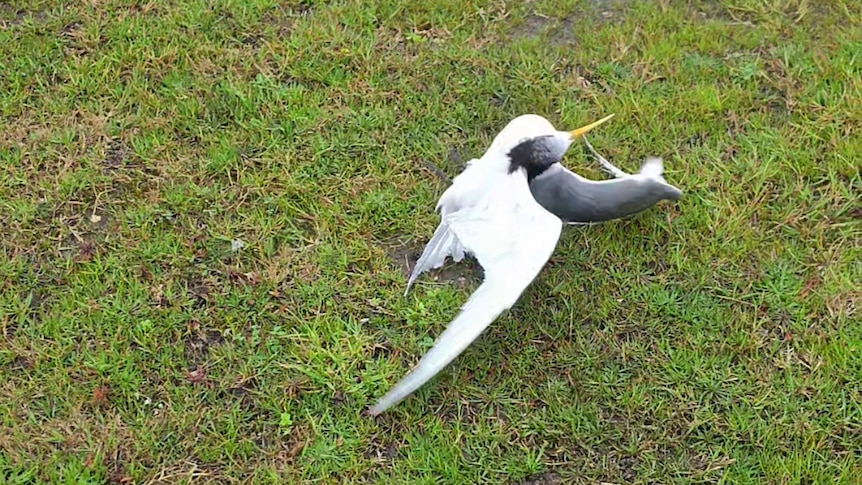
A troubling sight greeted locals at Port MacDonnell, a South Australian beachside town. One bird exhibited peculiar, unsettling movements - flapping wings, circling, neck craning and somersaulting. A veterinarian suspected H5N1 bird flu, a diagnosis confirmed through testing. Neurological symptoms, including stargazing, incoordination and abnormal posture, were evident.
Maureen Christie, a fervent bird conservationist, witnessed the virus's devastating impact on local shorebirds, with dead birds appearing in staggering clusters. The disease claimed the lives of vulnerable creatures, with no chance of recovery. The federal government's dire report warned of near-extinction risk for nearly 400 native bird and mammal species, including penguins, sea lions and the endangered Tasmanian Devil.
Almost $2 million was allocated to vaccinate captive birds, along with over 5,000 penguins on Victoria's Phillip Island and St Kilda. University of Queensland virologist Kirsty Short expressed concern about the virus's potential to tip vulnerable species into extinction. H5N1, first emerging in Southern China in 1996 and evolving globally, wreaked havoc on poultry farms worldwide.
However, it had yet to infect Australia's domestic birds. Farmers like Brian Ahmed, an egg producer, implemented strict biosecurity measures to safeguard their operations. Poultry fanciers and exhibitors, desperate to preserve their rare breeds, faced cancellation of upcoming shows due to the outbreak.
Written by urgent.news from ABC News AU's reporting — not their text. Machine-written — may contain errors; check the original before relying on it.