When Malaysia at the hockey World Cup stops being an event
Malaysia’s presence at the World Cup should be a national sporting moment. Instead, it arrives with difficult questions about audience, ambition and who comes next.
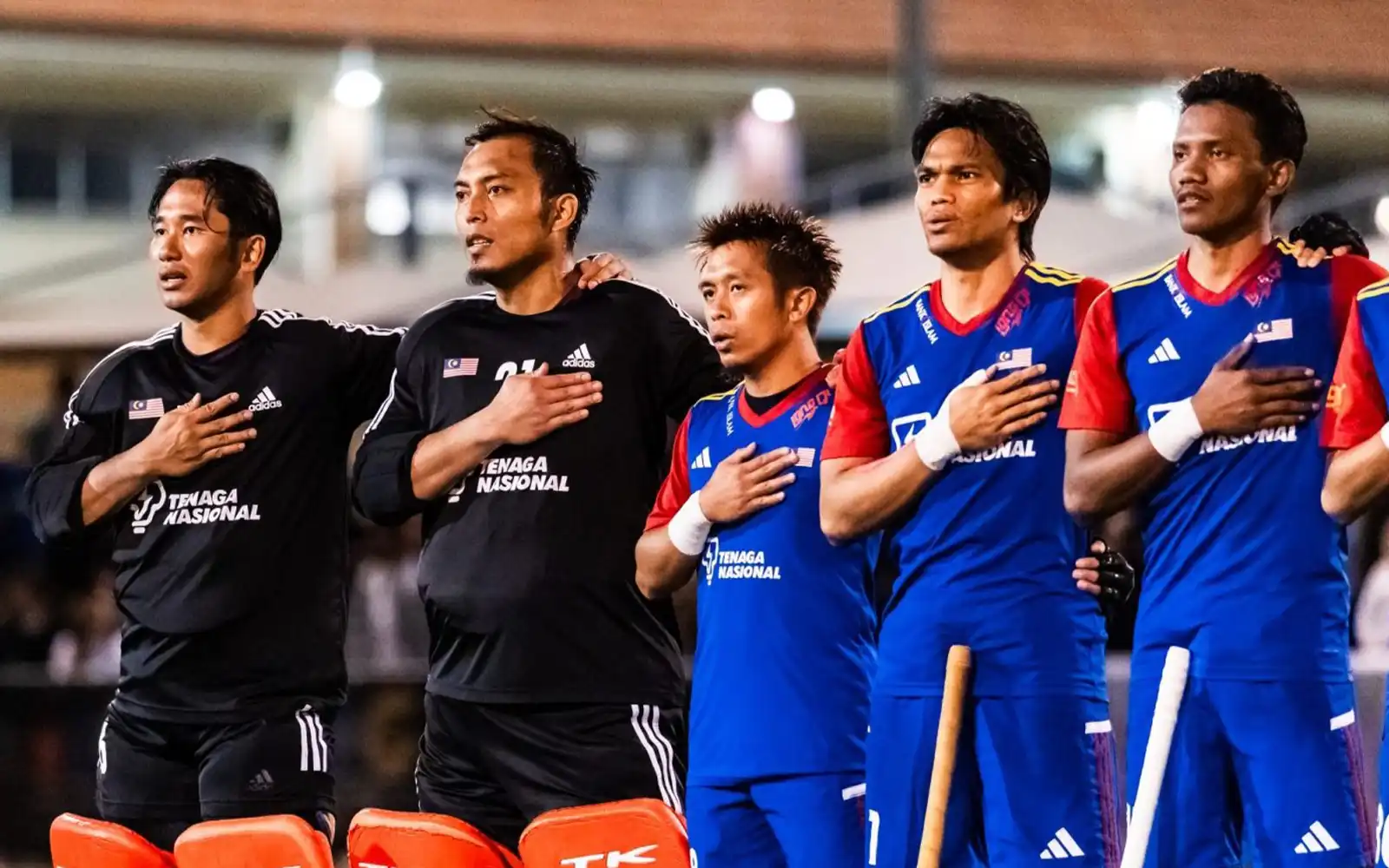
Malaysia’s hockey World Cup participation this August presents a challenge: convincing broadcasters and sponsors to invest in the sport. While Malaysians may watch the World Cup on television, the national team will not receive live broadcast coverage, making it difficult for fans to follow the matches. This situation mirrors that of the football World Cup, which attracted significant viewership but was not live-broadcasted in Malaysia.
Yet, despite the absence of live coverage, the hockey World Cup offers unique opportunities for development. Coaches, players, and officials can study elite teams’ tactics and strategies, while analysts and development staff can learn from top nations’ preparations and competition. However, Malaysia’s hockey development system may be failing to produce enough international-calibre players.
Double Olympian and World Cupper Maninderjit Singh argues that the current system produces national-level players rather than athletes capable of competing at the international level. He points out that the 2026 format is more challenging than in previous years, with only the top two teams in each pool advancing directly to the quarter-finals.
The larger concern, though, is the lack of a succession plan. With an ageing core team, the question arises: what happens when the first-choice XI is also the only-choice XI? Maninderjit believes the problem has been building since 2015, as the junior team has struggled to reach the podium in Asia. The World Cup is just one stop in a demanding cycle of tournaments, and Malaysia’s senior players could face around 50 matches over six months.
Maninderjit fears injuries and burnout, particularly among veterans, due to the lack of sufficient international-quality depth in the squad. Moreover, Malaysia's hockey calendar appears to be managed haphazardly, lacking a coherent pathway linking tournaments. A successful hockey program should produce players capable of surviving international competition, not just domestic hockey.
Written by urgent.news from Free Malaysia Today's reporting — not their text. Machine-written — may contain errors; check the original before relying on it.
Also reported by 1 other outlet
- When Malaysia at the hockey World Cup stops being an event freemalaysiatoday.com