What 66 years of selling Indian craft has taught Fabindia
Managing Director William Bissell on why the company would rather be a constant in a customer's life than the brand of the moment.
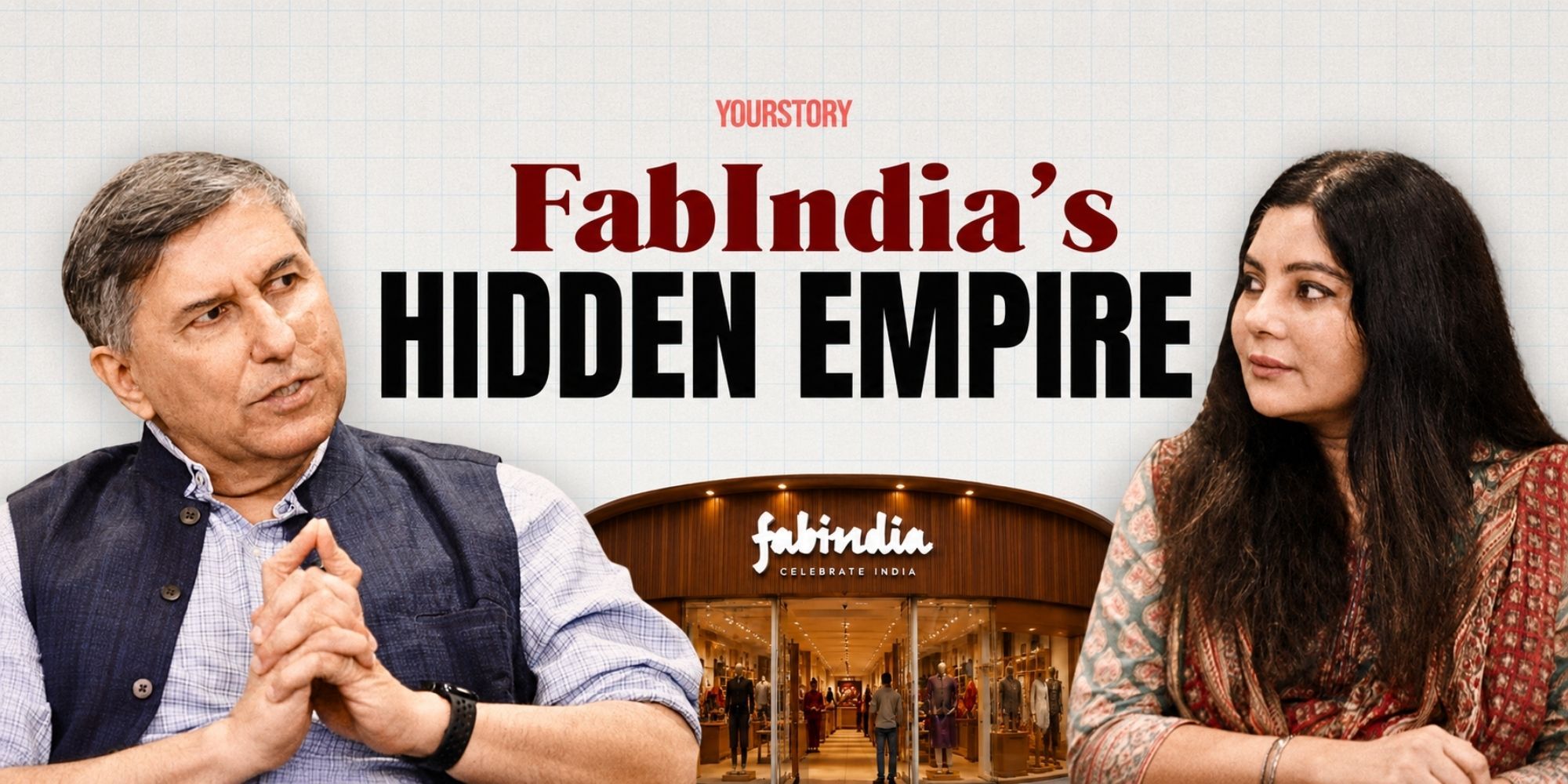
Fabindia, an Indian brand selling handcrafted apparel and home goods for 66 years, has learned that a brand should be a constant rather than a trend, according to Managing Director William Nanda Bissell. In a recent interview, Bissell discussed how Fabindia is adapting to the changing retail landscape, which includes quick commerce and the rise of digital channels, by incorporating services into its stores and launching a premium western wear sub-brand called Fabels.
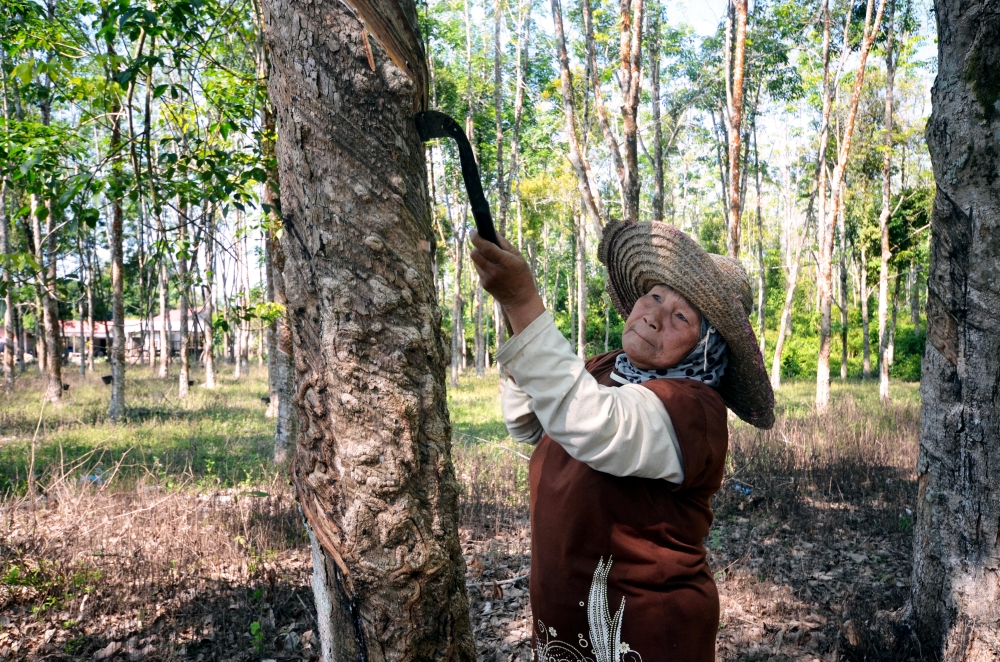
The company operates over 340 stores across 127 cities in India and has 13 international outlets in seven countries. Fabindia sources its products from micro-enterprises, with a network of a million small enterprises, to ensure that it can provide the right fuel to keep these businesses running. Bissell believes that being a constant presence in a customer's life is essential, rather than being a trend that fades quickly.
He frames a retail brand as a "recall," which refers to the associations and memories customers have with a brand's name. Fabindia's retail model is evolving from being the only channel for customers to purchase goods to being one among many channels, including quick commerce, marketplace commerce, and social commerce. Additionally, the company is addressing the data asymmetry problem by leveraging data to provide a better in-store experience.
To differentiate itself in the western wear market, Fabindia has developed its own sub-brand, Fabels, which uses the company's craft techniques to create western silhouettes. This strategy has helped the company achieve a compound growth rate of around 18% in western wear sales. To enhance its operational efficiency, Fabindia has implemented RFID technology to capture inventory data quickly and efficiently.
This technology feeds an artificial intelligence layer called the "self-driving enterprise" that will manage back-end operations within a year. By automating certain processes, Fabindia can keep its wide range of products while maintaining the unique character of its offerings. The success of Fabindia's strategy depends on its ability to maintain a loyal customer base, which relies on the company's micro-producers.
The outcome of Fabindia's public listing will be crucial for the company's future, as it will provide insight into whether its approach to retail and services will hold up against competitors like quick commerce and marketplace commerce.
Written by urgent.news from YourStory's reporting — not their text. Machine-written — may contain errors; check the original before relying on it.