Vietnam’s warship project signals modernisation, bamboo diplomacy balance
Vietnam’s construction of its most ambitious warship to date signals its ambition to develop a self-sufficient defence industry and assert its maritime interests. However, the country is expected to remain dependent on foreign technology for high-end engines, sensors and other critical systems even as it builds its defence manufacturing capabilities, according to analysts. The frigate is being…
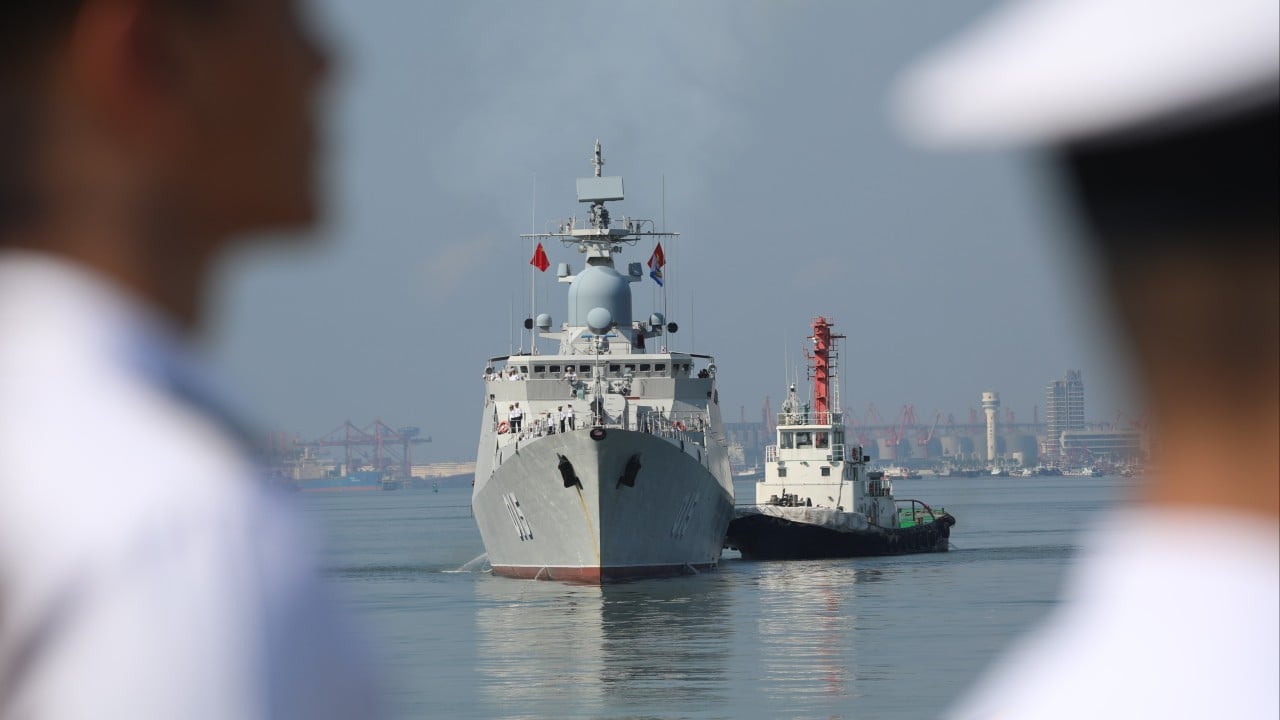
Vietnam’s construction of its largest warship signifies a push for a self-reliant defense industry and stronger maritime presence. However, the country will still rely on foreign technology for high-tech components, analysts say. The frigate is being built at the Song Thu shipyard in Da Nang, under the joint effort of the military, Viettel, and other defense units.
The vessel, set to finish in 36 months, will feature phased-array radar, air defense missiles, and anti-ship missiles. Vietnamese state media heralds it as the most advanced domestically produced combat ship. The project is part of Vietnam's strategy to develop a defense industry that is autonomous, self-reliant, and modern. The move aims to reduce dependence on foreign suppliers and enhance Vietnam's geopolitical stance.
Analysts note that while Vietnam has sourced weapons from Russia and India, India's dual-use technology and the US' advanced components present a significant challenge for complete self-sufficiency. Vietnam's strategy, known as "bamboo diplomacy," maintains a balance between China and the US, focusing on protecting maritime interests without provoking conflict.
Written by urgent.news from South China Morning Post's reporting — not their text. Machine-written — may contain errors; check the original before relying on it.