UK economy slows amid political unrest, Middle East war
Gross domestic product increased 0.4% in the April-June period after an expansion of 0.6% in the first quarter, the Office for National Statistics said in a statement.
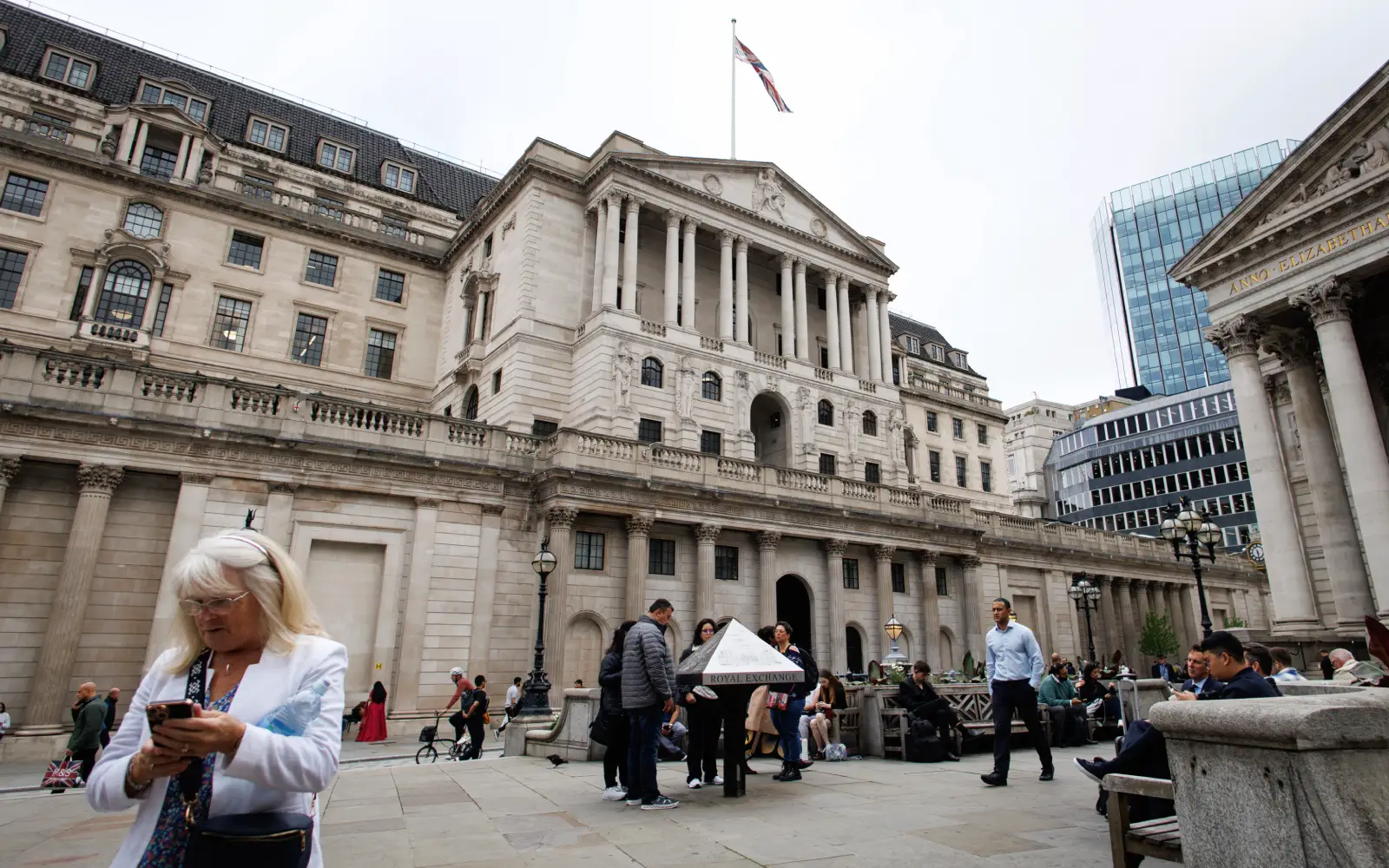
The UK's economy slowed in the second quarter of 2026 compared to the first three months, according to official data released Thursday. This slowdown occurred amidst political unrest at home and the impact of the Middle East conflict on energy costs. The Office for National Statistics reported that the country's gross domestic product increased by 0.4% in the April-June period, down from the 0.6% growth in the previous quarter.
Following a brief period of leadership change, Keir Starmer resigned as prime minister in late June and was succeeded by Andy Burnham, the new Labour government. The new finance minister, John Healey, emphasized that Burnham's administration would prioritize British interests, providing relief to those feeling the strain and bolstering the nation's resilience.
Healey acknowledged that millions of Britons were already facing heightened inflation and worsening cost of living conditions due to the US-Iran war, which had driven up energy expenses.
The latest GDP figures indicated that service sector output grew by 0.5% in the second quarter, while construction also expanded. However, production remained stagnant. Overall, growth in the second quarter was slower than the strong start to 2026, but remained relatively robust. Services sector growth continued to be the primary driver of economic expansion, according to Liz McKeown, ONS director of economic statistics.
Written by urgent.news from Free Malaysia Today's reporting — not their text. Machine-written — may contain errors; check the original before relying on it.
This story
This is one outlet's version. Read the fullest account.