UK Economy Remains Resilient Despite Iran War and Higher Energy Prices
The UK economy grew 0.4 per cent between April and June, official data has revealed, in a sign that businesses and consumers have so far weathered the worst shocks of the war in Iran. The growth figure from the Office for National Statistics was in line with analysts’ expectations but came alongside a surprise boost of 0.3 per cent in June, ahead of forecasts. Figures for May were revised down…
Official data has revealed that the UK economy expanded by 0.4% between April and June, suggesting that businesses and consumers have so far managed the worst effects of the Iran war. The growth figure from the Office for National Statistics met with analysts' expectations, while June recorded a surprise 0.3% increase, surpassing forecasts. May's figures were revised down from 0.1% growth to zero.
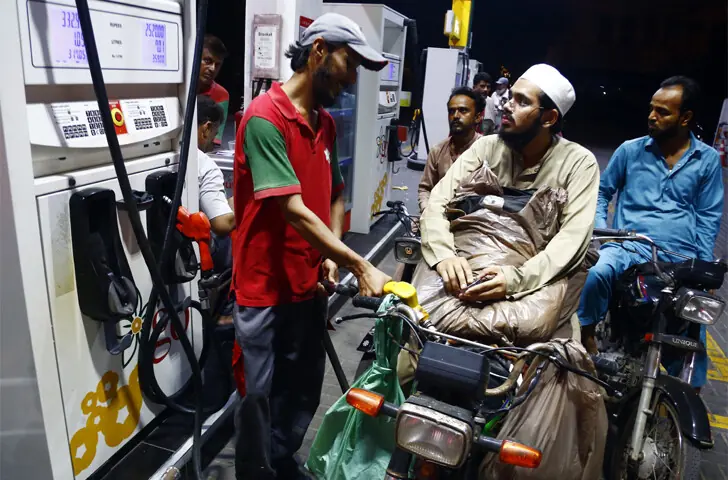
The services sector drove the UK economy in the three-month period, expanding by 0.5%. Production remained flat, with no change from the first quarter, while the construction sector struggled to gain momentum, growing by 0.3%. These figures indicate that businesses and consumers have been resilient against price shocks due to the Iran war, which has caused oil prices to rise and potentially fuel inflation later this year.
However, analysts cautioned that the economy benefited from one-off events like the World Cup and a series of heatwaves. Schroders senior economist George Brown acknowledged the UK economy's resilience but believed that seasonal quirks may be inflating activity in the first half of the year, leading to reduced growth later in 2026.
KPMG chief economist Yael Selfin noted that temporary tailwinds are likely to fade, and higher prices will continue to erode households' purchasing power, causing growth to moderate in the coming months.
The ONS suggested that sporting events, most likely a reference to the World Cup, boosted spending. Growth slowed in the second quarter, following a robust start to 2026, but remained relatively strong, according to Liz McKeown, director of economic statistics at the ONS. Growth in the second quarter is slower than in the first three months, with GDP increasing by 0.6% in the latter. The slowdown in output and activity may put Prime Minister Andy Burnham and Chancellor John Healey on edge before a challenging Budget.
The Treasury warned that the UK economy would grow by only 0.3% if the Strait of Hormuz remained blocked throughout the year. The Bank of England also stated it would raise interest rates if the strait stayed blocked for the rest of the year. Independent forecasters have painted a similarly grim picture for the UK economy, with EY predicting a potential recession if oil and gas fail to pass through the Gulf region, accounting for about a fifth of global supplies.
Government spending has been a significant contributor to growth, but Chancellor John Healey will face pressure from industry leaders to deliver a confidence-boosting Budget amidst a gloomy economic outlook. Devolution is expected to be a key policy focus, with Healey previously supporting regional-led investment bodies to spur growth.
However, Capital Economics economists warned that reduced fiscal headroom and numerous spending commitments on energy policy support and defense could force Healey to raise around 25 billion in taxes.
Written by urgent.news from OilPrice's reporting — not their text. Machine-written — may contain errors; check the original before relying on it.