Trump turns up heat on int'l students, warns US colleges over misuse of work permits
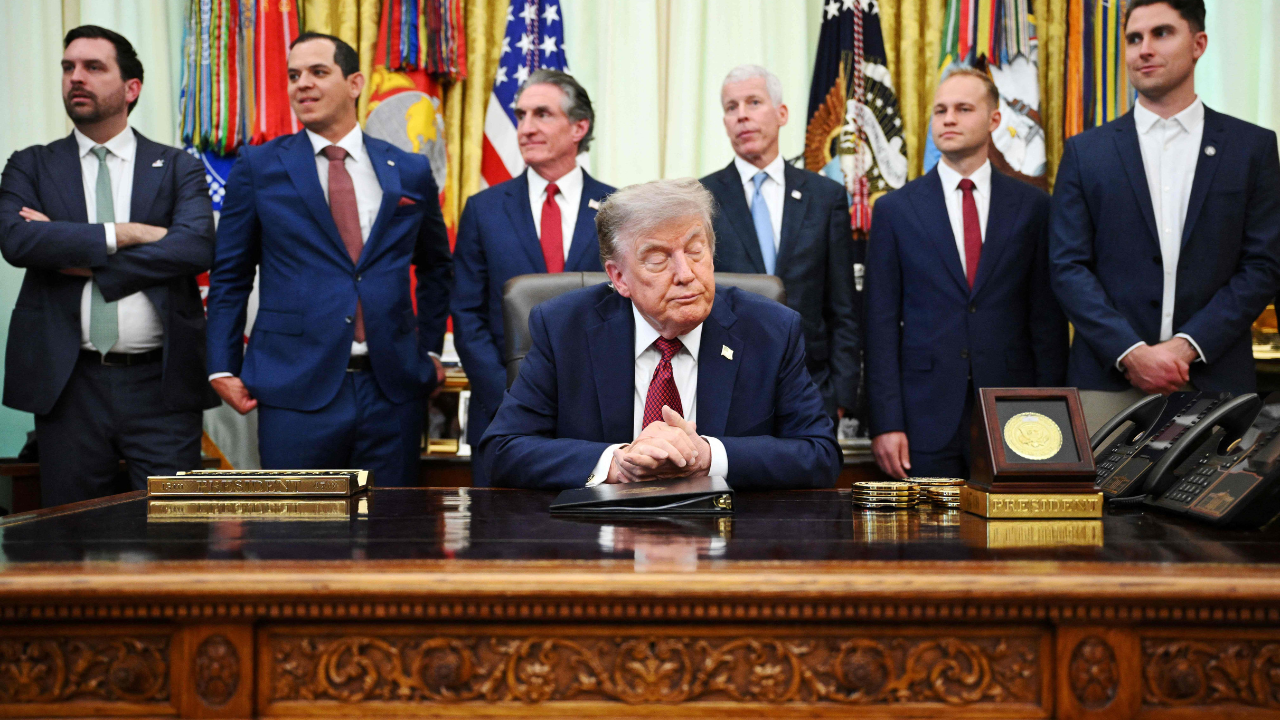
The Trump administration has intensified its oversight of Curricular Practical Training (CPT) for international students, cautioning American colleges and universities against misusing the program. In an August 12 broadcast to designated school officials (DSOs), the US Student and Exchange Visitor Program (SEVP) reported an increase in CPT authorizations that don't adhere to regulatory standards, particularly instances where training is not an essential part of the established curriculum.
SEVP, part of ICE, manages schools and students in the international student program system, overseeing practical training programs like CPT and OPT.
CPT permits eligible F-1 international students to gain practical work experience when it's an integral part of their academic curriculum and directly related to their major. This can encompass internships or other practical training integrated into the academic program — it must be genuinely relevant to the student's studies. The new SEVP warning aims to prevent CPT from being used merely as a pathway to employment.
The agency emphasizes that CPT cannot be authorized solely for job or work experience unrelated or formally recognized as part of the academic program.
CPT and Optional Practical Training (OPT) are both practical training options for F-1 students but serve distinct purposes. CPT is curriculum-linked, requiring the work to be an integral part of the student's established academic program and directly related to their major. OPT, on the other hand, is broader, allowing employment related to the student's field of study before or after degree completion.
DSOs authorize CPT through the student's SEVIS record/Form I-20, certifying the information's accuracy. OPT requires a separate application to USCIS and employment authorization.
The SEVP broadcast highlights DSO responsibilities, emphasizing that when signing or re-signing a student's Form I-20 for CPT, the official attests under penalty of perjury that the information is true and correct, including the CPT's necessity for the student's curriculum. SEVP can request documentation to verify if CPT is genuinely a core component of a student's studies.
Universities, not the US government, determine academic requirements, but SEVP will investigate institutions attempting to circumvent federal regulations or oversight. Schools that misuse CPT to create work opportunities instead of facilitating academic study could face additional scrutiny, potential withdrawal of SEVP certification, and possible penalties for providing false information or misrepresenting the training's nature.
Written by urgent.news from Times of India's reporting — not their text. Machine-written — may contain errors; check the original before relying on it.