Tree lines out, swamps in—Lithuania rethinks how to stop Russian armor at the border
Restored wetlands are meant to make some ground simply impassable to heavy military vehicles within a few years.
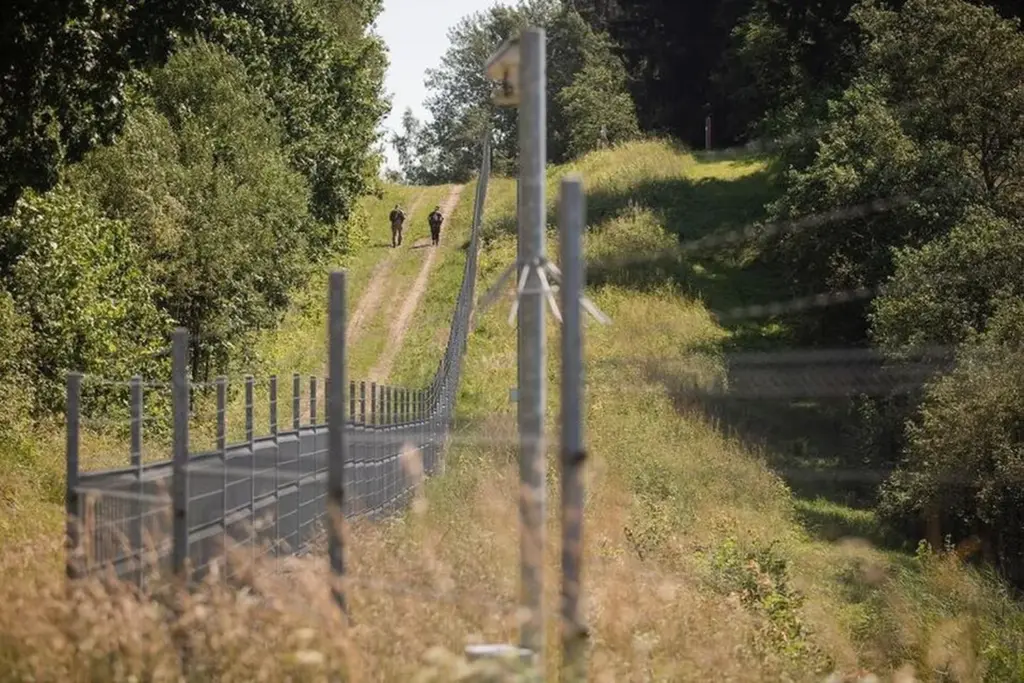
On 12 August, Lithuania's government endorsed a more extensive plan to secure its borders with Russia and Belarus against a potential attack, as reported by LRT. The Baltic nation, a NATO member, is sandwiched between Russia's Kaliningrad exclave and Belarus. This development creates a counter-mobility belt that stretches inland from the borders, with widths varying from 20 meters to 150 meters depending on the designated operation areas.
The strategy stems from concern that a Russia emboldened in Ukraine could turn its attention towards the Baltics.
Western intelligence agencies have long cautioned Moscow's potential threat to NATO, with former CIA director David Petraeus identifying Lithuania as the most likely first target due to its strategic location. Lithuania's new plan increases the number of engineering parks and storage depots for obstacles, like concrete blocks and roadblocks, from 27 to 50. These enhancements will be in operation until the end of 2028, surpassing the initial April 2025 deadline.
The State Defense Fund will allocate an additional €50 million ($58 million) for these improvements between 2026 and 2030. Lithuania's border with Belarus has become a focal point, as this region is considered the least fortified among the Baltic states. According to a satellite review by open-source analyst Clément Molin, even Belarus has been testing the border with engineered migrant crossings.
This plan is Lithuania's contribution to the Baltic Defense Line, a joint barrier established in 2024 with Latvia and Estonia alongside Poland's parallel East Shield. The design for Lithuania's counter-mobility parks is based on Ukraine's experiences, and the nation has been actively constructing these defensive measures since 2023. Much of the equipment employed today has been tested in Ukrainian battlefields, where swamps, ditches, and other barriers have effectively impeded armored advances.
According to the Defense Ministry, the restored swamps and engineered features should make certain ground impassable to heavy military vehicles within a few years, targeting completion by the end of 2030. The ministry has also adjusted the locations for defensive ditches and streams in Marijampolė, opting for better sites in Vilkaviškis and Šakiai districts. Deadlines for obstacles on roads and bridge approaches, as well as fitting bridges with explosives holders, have been shifted to the end of 2028.
Written by urgent.news from Euromaidan Press's reporting — not their text. Machine-written — may contain errors; check the original before relying on it.